Conditions atlas · 21 topics
Understand the cause,choose the solution.
Every topic answers the same questions: what it is, how to recognise it, why it happens, what triggers it, what the treatment options are, how to build a care routine and when to see a doctor.
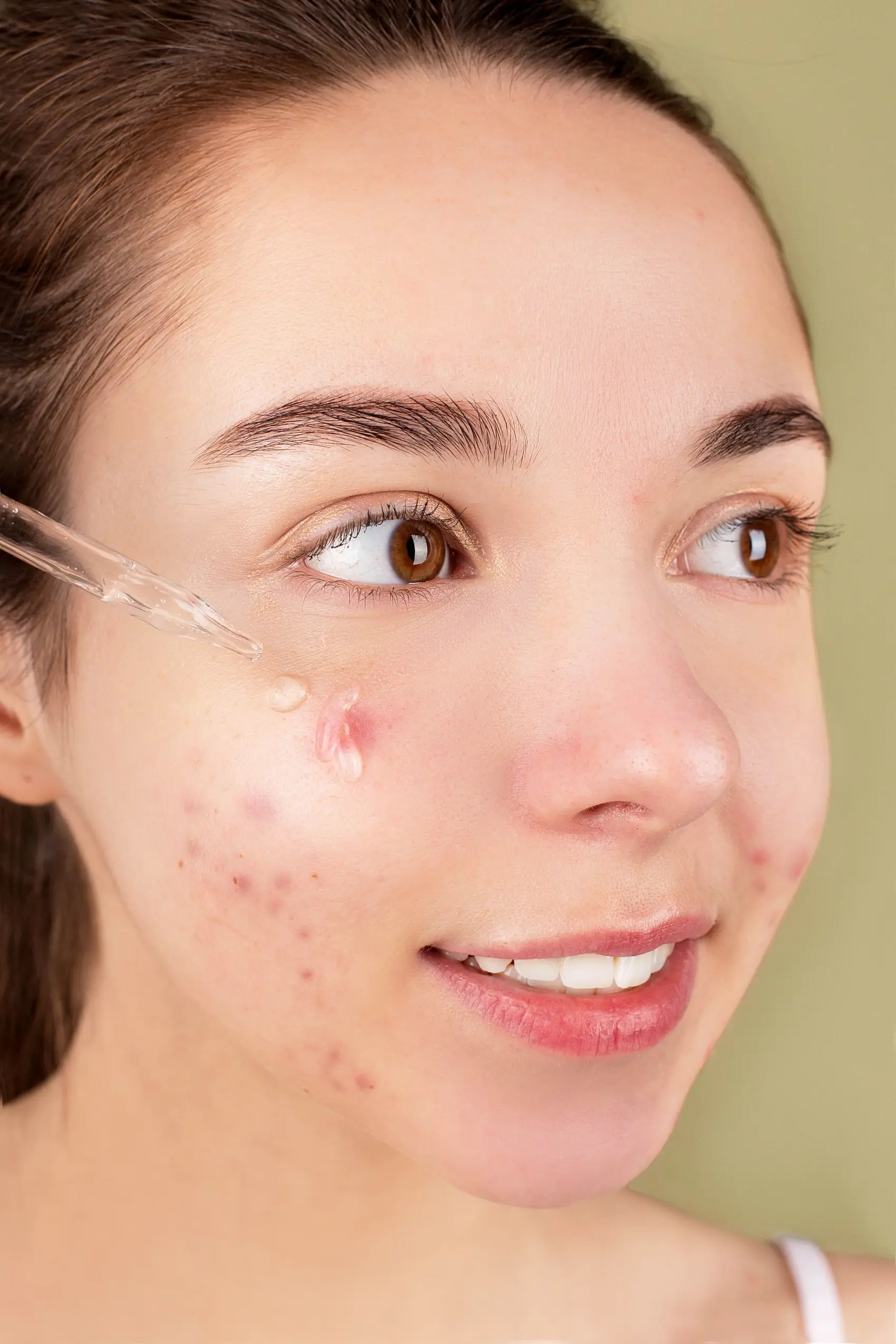 Face50.9%AcneWhy do pimples happen, and how do you get rid of them? Plenty of women meet acne for the first time in their twenties, thirties or even forties. With the right treatment that tackles hormones, clogged pores and inflammation together, plus a simple routine, you can get breakouts under control.
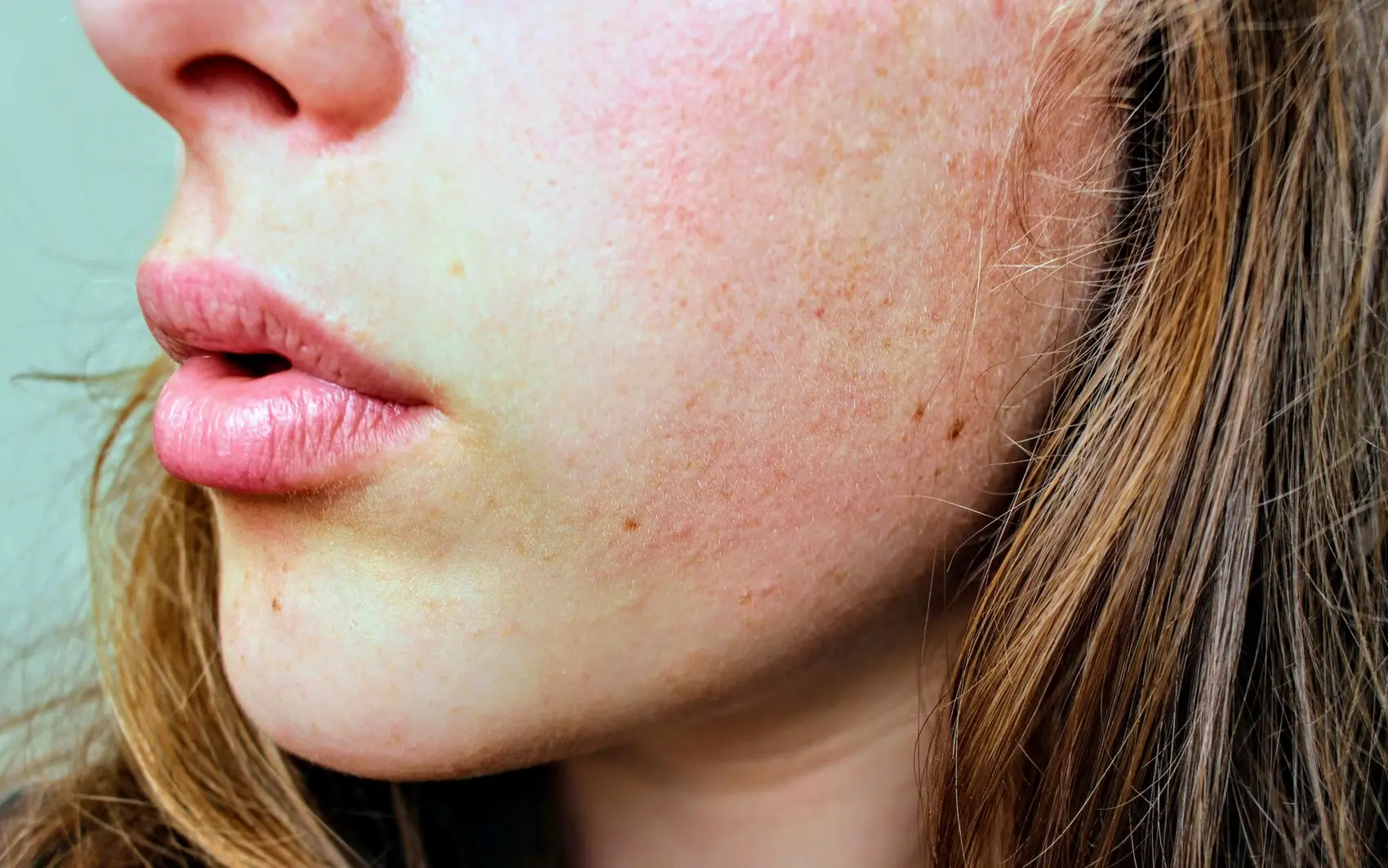 Face5.46%RosaceaWhat is rosacea, and how do you calm it? Redness on the cheeks that comes easily and won't fade, burning in the heat and bumps that look like pimples. By getting to know your triggers and pairing the right treatment with gentle skincare, you can often get this facial redness under control.
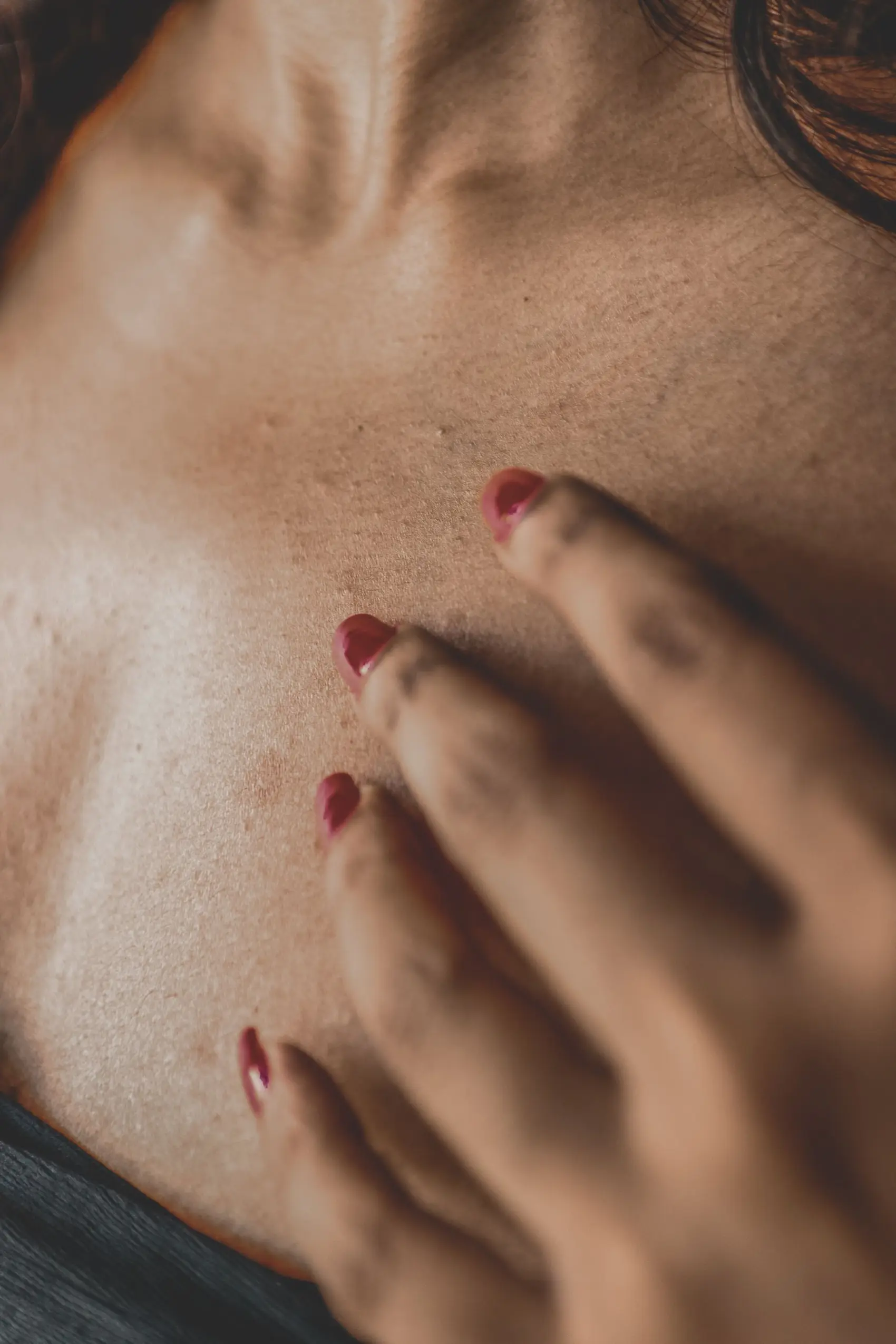 Body15thAtopic dermatitisWhat causes eczema (atopic dermatitis), and how do you calm it? This chronic condition, with its itching, dryness and flaring red patches, may not go away completely, but with regular moisturizing, avoiding triggers and the right treatment, it can be kept calm for long periods.
 Scalp4.38%Seborrheic dermatitisWhat causes seborrheic dermatitis (scalp eczema), and how do you calm it? Greasy dandruff on the scalp and flaky redness on the eyebrows and around the nose can often be kept calm for long periods with the right shampoo, gentle facial care and regular maintenance treatment.
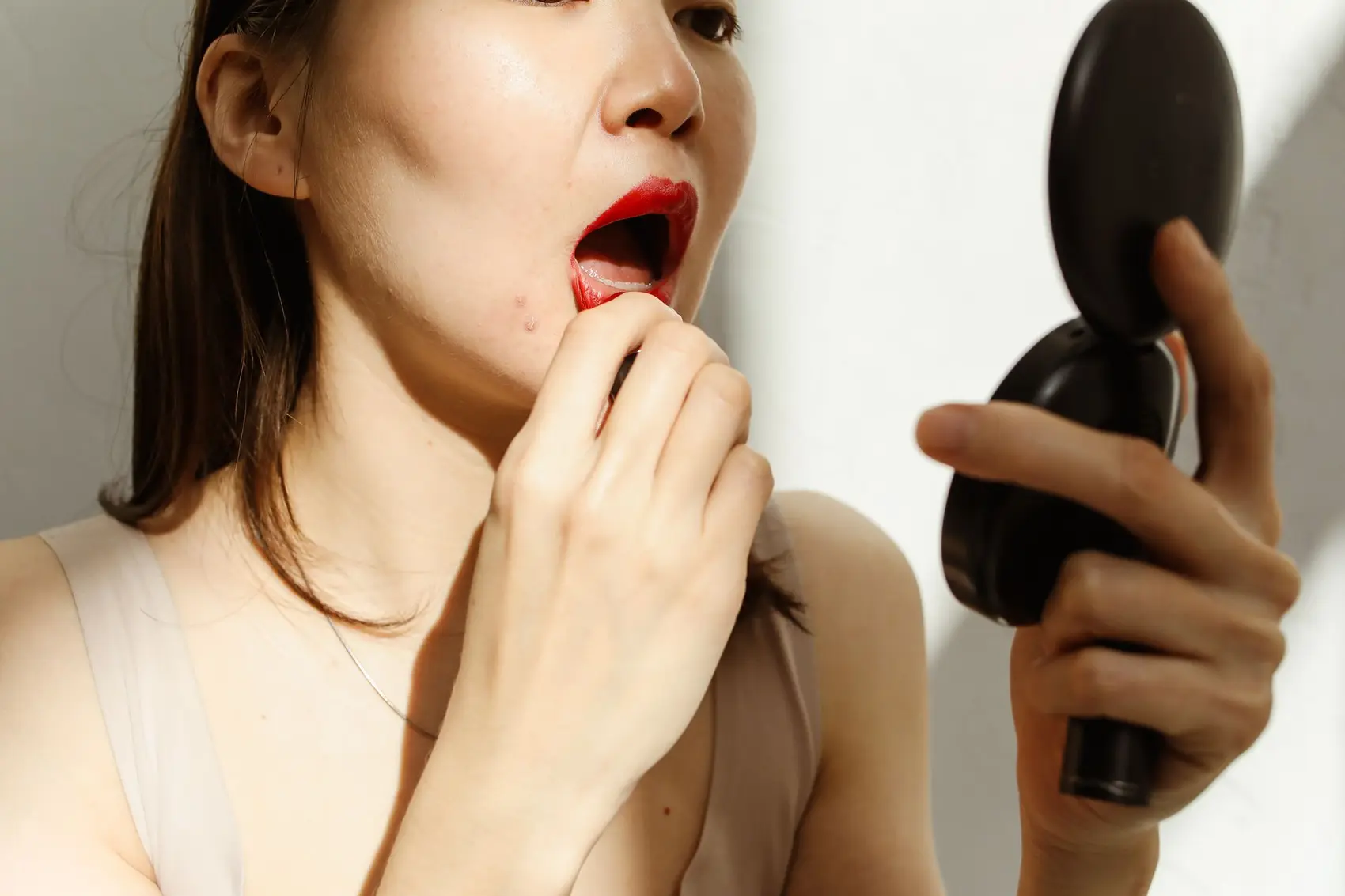 FaceAges 20–45Perioral dermatitisSmall bumps and redness around your mouth? Perioral dermatitis is most common in young and middle-aged women and is often triggered by cortisone applied to the face or by too much skincare. By simplifying your products and getting the right treatment, it usually calms down within a few weeks to a few months.
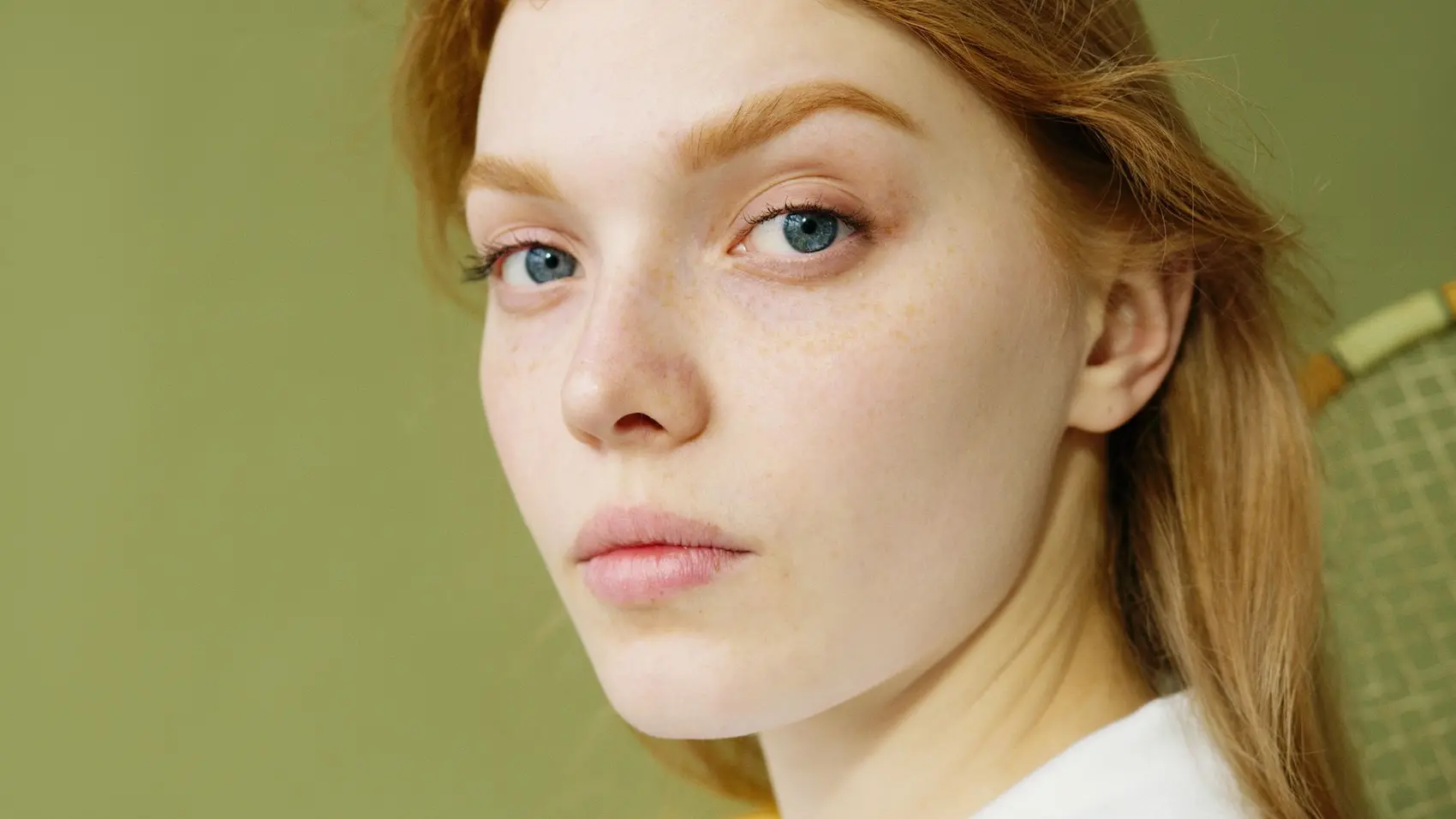 Face45%Sensitive skinHow can you tell if you have sensitive skin? If a new cream stings, the wind makes your face burn or the cold leaves it feeling tight, you're not alone: nearly half of women report sensitive skin, and with a simplified, gentle routine your skin's reactivity can ease over time.
 Body60%Dryness and barrier damageHow can you tell your skin barrier is damaged, and how do you repair it? Tightness, flaking, every product stinging and a dry face are often signs of an overly intense skincare routine. By simplifying your products and using the right moisturizer, your skin barrier usually bounces back within a few weeks.
 Face37.8%MelasmaMelasma, also known as the pregnancy mask, shows up as symmetrical brown patches on the cheeks, forehead and upper lip. Triggered by hormones, sun and visible light, these patches can fade noticeably with the right daily protection and a patient treatment plan.
 Face87.2%Post-inflammatory dark spots and sun spotsDark spots on your face are most often either a brown mark left behind by a healed pimple or a sun spot that appeared over the years. Once you know the type of spot, it's much easier to plan how to fade it, what will help and how to prevent new ones.
 Scalp50%Dandruff and itchy scalpWhat causes dandruff and how do you get rid of it? The white flakes falling on your shoulders and the itching are not a hygiene problem; they are the combined result of scalp oil, a natural yeast and personal sensitivity. With the right shampoo and regular washing, dandruff calms down quickly in most women.
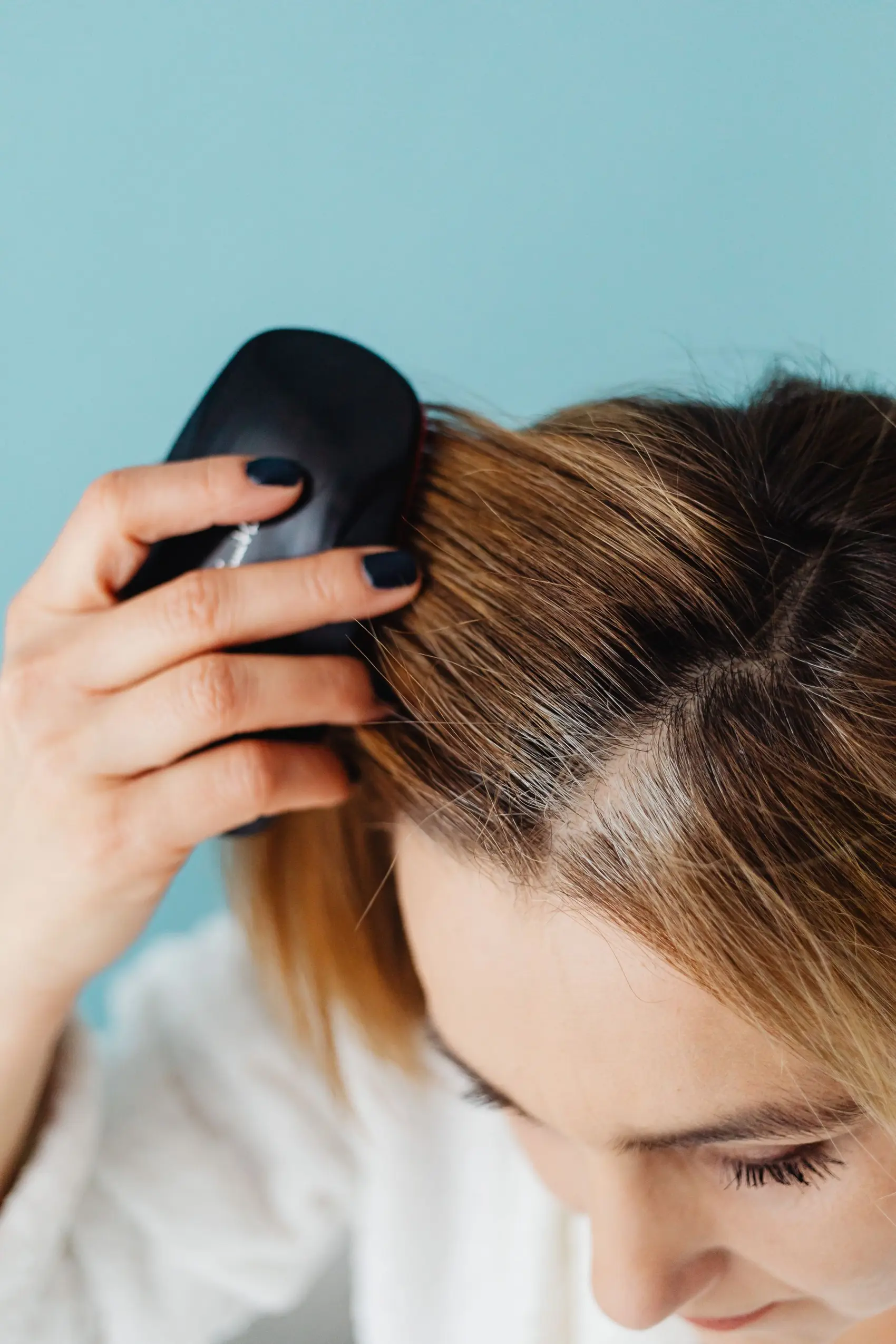 Scalp57%Female pattern hair lossIf your part is getting wider and your ponytail thinner, this may be the most common type of hair loss in women: female pattern hair loss. When you notice it early and start the right treatment with your dermatologist, it's possible to slow the thinning and preserve your hair density.
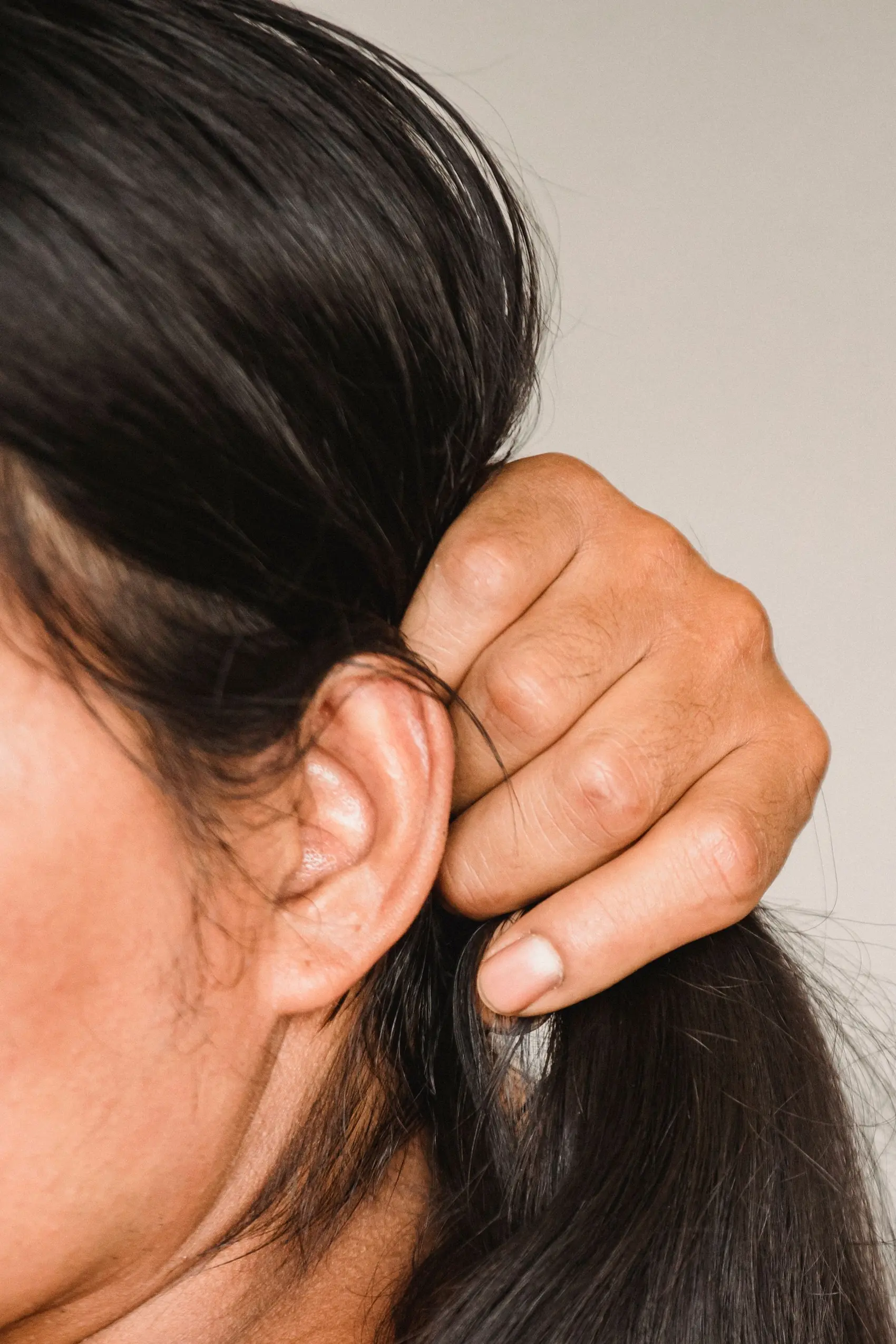 Scalp3–4 monthsHair loss from stress, dieting and after pregnancyHandfuls of hair suddenly in the shower, on your pillow, in your brush? Sudden hair loss is very often the echo, 3–4 months later, of a shock to the body such as stress, childbirth, illness or dieting; its medical name is telogen effluvium. Once the cause is found and removed, hair usually grows back on its own.
 Body1.92%PsoriasisPsoriasis shows up as thick plaques with silvery scales on the elbows, knees and scalp; it isn't contagious and is related to an overactive immune system. While there's no definitive cure, with today's creams, light therapy and new medications most women can stay comfortable for long periods.
 Body27.9%Contact dermatitisBurning eyelids after a new cream, itching around your earring hole, hands turning red after using detergent: these can be your skin's reaction to something it touched, that is, contact dermatitis (contact eczema). Once you find the culprit and remove it, the skin often calms down quickly.
 Body80%Keratosis pilarisRough, pimple-like bumps on your arms? Keratosis pilaris, or chicken skin, isn't caused by dirt but by keratin building up in the hair follicle; with urea creams and a gentle routine, your skin can feel noticeably softer within a few weeks.
 Body18.5%Folliculitis and body acneBack acne, red dots on your legs, bumps after waxing… They're not all the same thing. Learn how to tell folliculitis, fungal folliculitis, ingrown hairs and body acne apart, and how each one clears up with the right care.
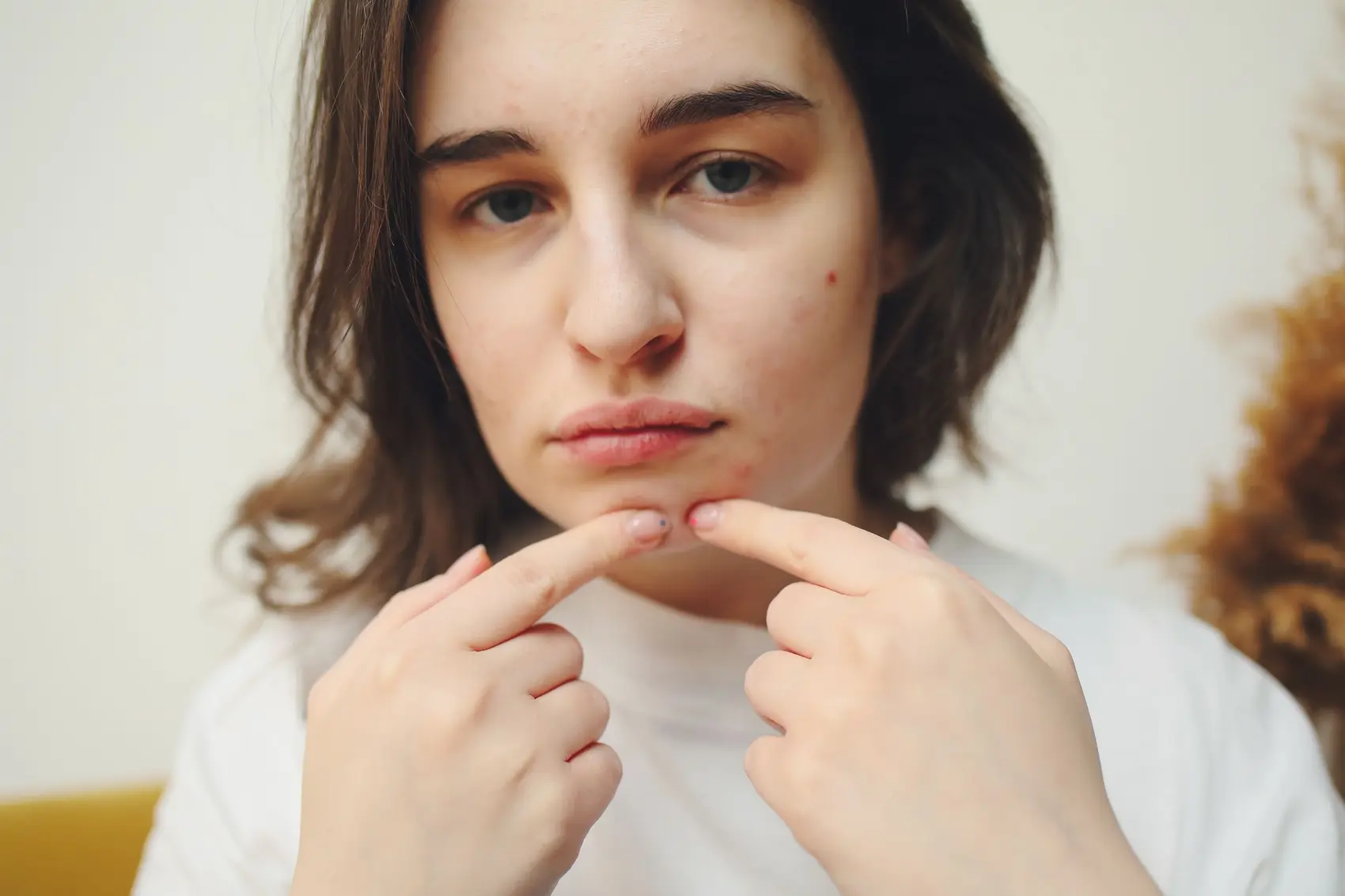 Hormonal stages10%Skin and hair in PCOSChin breakouts that won't clear, more facial hair, thinning hair at the crown, darkening on your neck… Learn to recognize the skin signs of polycystic ovary syndrome (PCOS) and how you can keep them under control by addressing hormones, insulin and the right skincare together.
 Hormonal stages50–90%Skin during pregnancy and after birthPregnancy acne, the pregnancy mask (melasma) on your face, stretch marks on your belly and itching that gets worse at night… Learn the causes, which products are safe and which kind of itch needs to be seen by a doctor, so you can care for your skin during pregnancy with peace of mind.
 Hormonal stages1–2%Skin and hair in menopauseDry skin, itching, thinning, deepening wrinkles and hair that loses its volume in menopause… Learn what falling estrogen does to your skin and how updating your skincare can help you feel comfortable in your skin again.
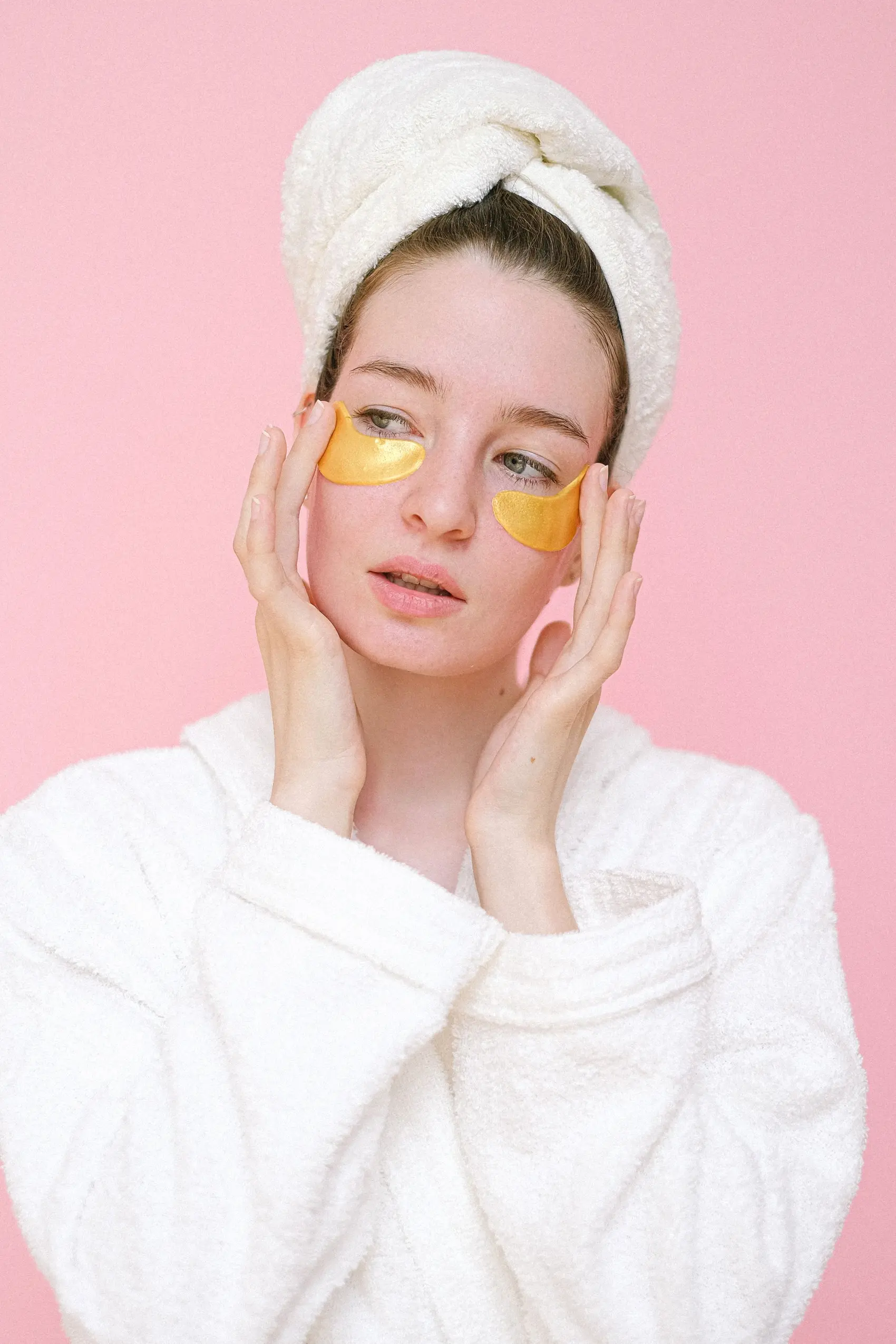 Face74%The eye area: dark circles, puffiness and eczemaDark circles that don't go away even when you sleep, under-eye bags that puff up in the morning, hollows or itchy eyelids… Find out how to tell what type of dark circles you have, what you can do at home for each and which treatments actually work.
 Face80%Premature agingMost premature skin aging, meaning wrinkles, fine lines, dark spots and collagen loss, comes not from the calendar but from the sun, smoking and polluted air. Get to know the causes and learn how daily sunscreen, a retinoid and the right routine can slow down skin aging.