Definition
What is Melasma?
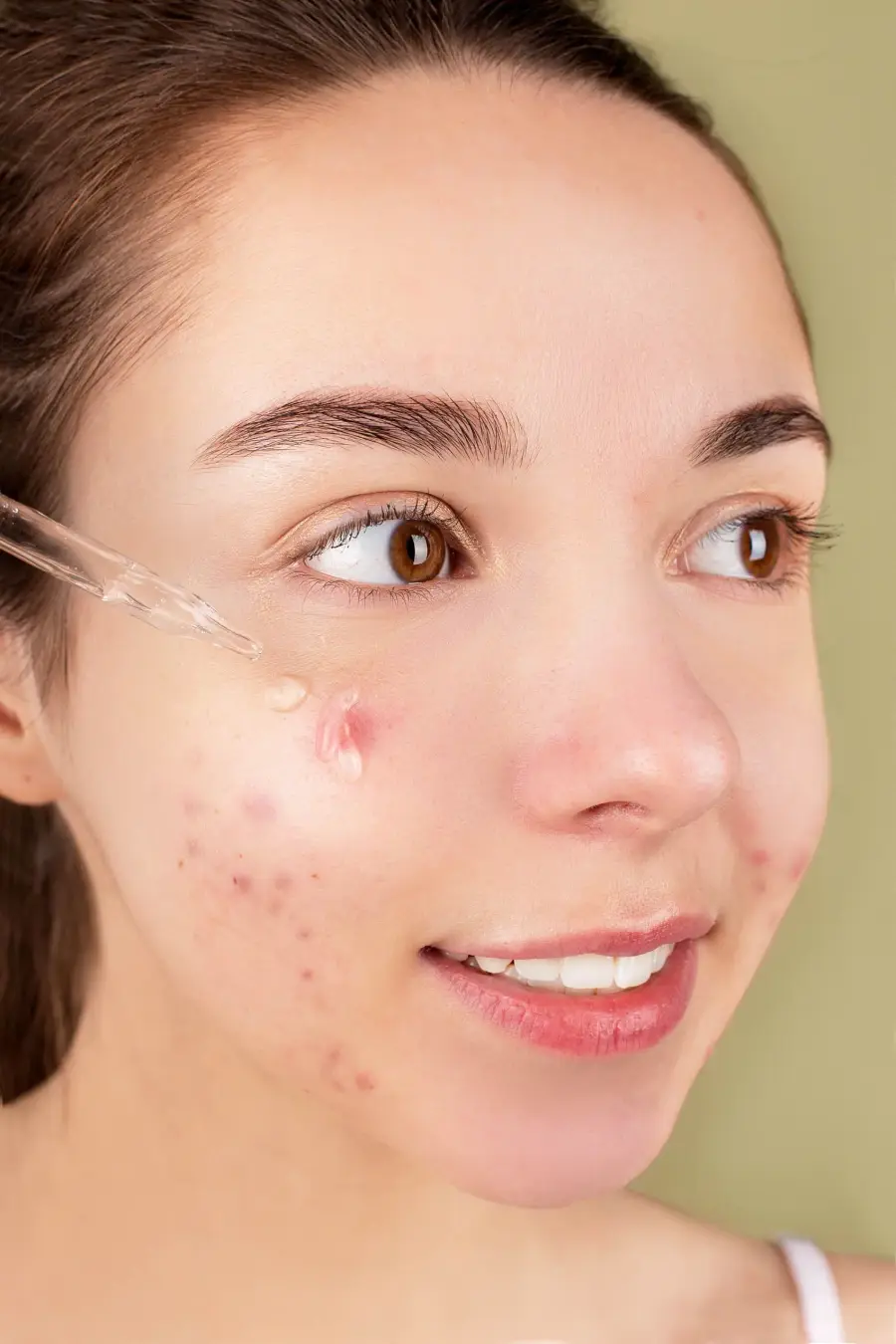
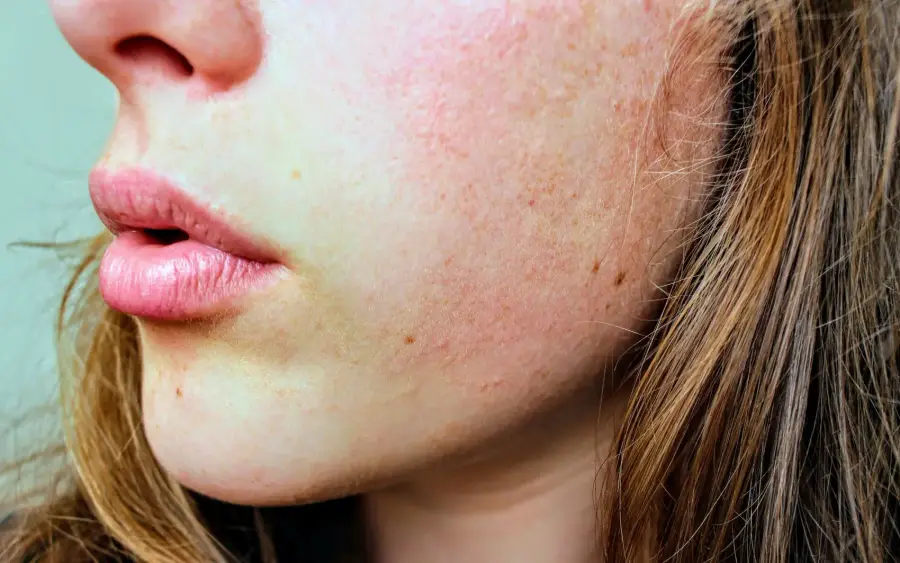
Melasma is an acquired pigment (color) disorder that shows up as patches with irregular borders, ranging from light brown to gray-brown, usually placed symmetrically on both sides of the face. It is popularly called the “pregnancy mask” and sometimes “chloasma” in medicine because it appears so often during pregnancy; however, it can also occur in women who take birth control pills, receive hormone therapy, or have had no hormonal change at all. It is far more common in women than in men, and more noticeable in olive and darker skin tones than in fair skin.
Color in the skin is produced by cells called melanocytes. In melasma these cells are overstimulated, produce more melanin (color pigment) and pass this pigment more heavily to the surrounding skin cells. Current research describes melasma not only as “excess pigment” but also as a photoaging problem linked to the effects of sun accumulated over the years: affected skin shows more tiny blood vessels, sun damage in the deeper layers and a weaker barrier, all at once.
Melasma is a chronic condition that tends to come back; it can darken in summer and lighten in winter. So the goal is not to “erase it in one go” but to fade the patches and keep them faded. The good news: the answer to “does melasma go away?” is often yes. With regular protection from sun and visible light, gentle non-irritating care and treatments planned by your dermatologist, the patches fade noticeably in most women and can be kept under control.
Check yourself
How do you recognise it?
- ✓Brown or gray-brown patches on the cheeks, forehead, bridge of the nose, upper lip or chin
- ✓Patches placed symmetrically on both sides of the face, like a mirror image
- ✓A patchy, map-like look with irregular borders
- ✓Noticeable darkening in summer, after a vacation or after time in the sun
- ✓No itching, crusting or raised areas; the patch is only a change in color
- ✓Pigmentation that starts or gets worse with pregnancy, birth control pills or hormone therapy
- ✓Patches looking darker after heat, a hot kitchen, a sauna or intense exercise
- ✓In some women, mild redness or visible tiny blood vessels in the affected area
- ✓Less commonly, similar symmetrical patches on the arms and neck
Why it happens
Main causes
01
Female hormones
Estrogen and progesterone can directly stimulate pigment cells. Pregnancy, birth control pills, hormonal IUDs and hormone therapies can trigger or worsen melasma. Patches that start in pregnancy may fade on their own after giving birth, but in some women they become permanent.
02
The sun's ultraviolet rays
UVB and UVA rays are the strongest stimulators of pigment cells. Sun damage accumulated over the years is also why melasma is described as a photoaging problem.
03
Visible light and long-wave UVA
A study in olive and darker skin tones showed that visible light also causes pigmentation, and that this pigmentation was darker and longer-lasting than that caused by long-wave UVA. That is why sunscreens with UV filters alone may not always be enough for melasma.
04
Genetic predisposition
The risk rises noticeably in women whose mother, sister or aunt has melasma. In the pregnancy study in Turkey, a personal or family history of melasma also stood out as an important predictor.
05
Skin tone
Olive and darker skin tones, whose pigment cells are more active, meaning skin types III–V on the Fitzpatrick scale, are more prone to melasma. A large share of women in Turkey fall into this group.
06
Heat and inflammation
Heat dilates blood vessels and increases inflammatory signals in the skin. Irritating cosmetics, waxing, poor aftercare following laser or harsh peels can also trigger pigmentation.
In daily life
Triggers that cause flare-ups
Medical approach
Treatment options
01
The foundation of everything: broad-spectrum, tinted protection
Dermatologists recommend a high-protection, broad-spectrum sunscreen used every day, in every season, as the non-negotiable part of melasma treatment. Tinted sunscreens containing iron oxides also give extra protection against visible light. Without protection, the results of any treatment won't last.
02
Brightening creams for dark spots
Based on your dermatologist's assessment, triple-combination creams containing hydroquinone, a retinoid and a mild cortisone, or options such as azelaic acid, kojic acid, niacinamide and vitamin C may be recommended. Strong agents like hydroquinone are used only under a doctor's supervision and for limited periods; uncontrolled, long-term use can lead to permanent color changes.
03
Tranexamic acid
Tranexamic acid is an option for melasma that can be taken by mouth, applied to the skin or delivered into the skin. A review of clinical studies reports promising results but stresses that its effectiveness is not yet fully established. Because it affects blood clotting, oral use must always be planned with your dermatologist after looking at your personal risks.
04
Chemical peels and procedures
Light chemical peels, microneedling and selected laser treatments can be used in addition to creams. Because skin with melasma is very sensitive to irritation, these procedures can darken the patches if done wrong; they should be performed by an experienced dermatologist, at low intensity and with proper preparation.
05
Combination and patience
Reviews show that using several approaches together gives better results than relying on a single method. Noticeable fading is usually seen in 8–12 weeks; after that comes a maintenance phase to keep the patches from coming back.
06
Looking at the hormonal factor
In melasma that started with birth control pills or hormone therapy, your dermatologist can review alternative methods together with your gynecologist. During pregnancy most brightening agents are not used; sun protection and gentle care take priority in this period.
Did you know? · Melasma
37.8% · In a study of 450 pregnant women in Central Anatolia, Turkey, melasma was found in 37.8% of them; the most common location was the central face.
Step by step
Care routine for Melasma
- 1
Gentle cleansing with lukewarm water
Use a soap-free, low-foaming cleanser that doesn't leave your skin tight. Hot water can dilate blood vessels and make the patches more visible; choose lukewarm water.
- 2
Antioxidant serum
If your dermatologist approves, a serum with vitamin C or niacinamide gives extra support against free radicals created by the sun and helps fade the patches.
- 3
Barrier-supporting moisturizer
A light moisturizer with ceramides, glycerin, or prebiotics and probiotic lysate strengthens the barrier and keeps your skin resilient to irritation.
- 4
Tinted, broad-spectrum sunscreen
Apply a generous amount of high-protection tinted sunscreen with iron oxides to your whole face, in front of your ears and on your neck. Don't skip this step on cloudy days or in winter.
- 5
Reapplying during the day and physical protection
If you're outdoors, reapply sunscreen every 2–3 hours. A wide-brimmed hat and sunglasses give the affected area extra protection.
Care you can use in your routine
EcoProbiotic care range ↗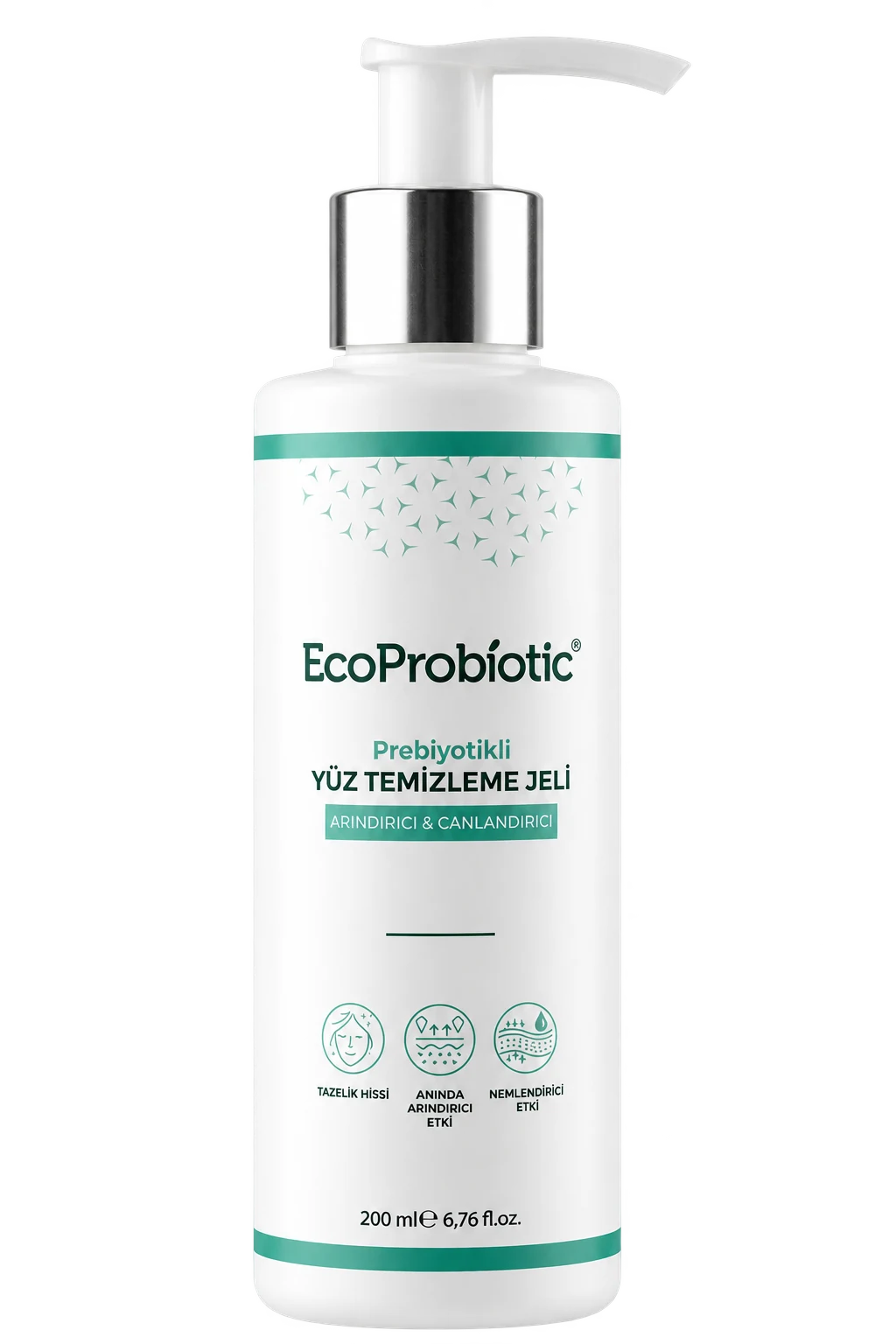 CleansingPrebiotic Face Cleansing GelRemoves make-up and the day’s grime with a gentle foam, supporting the skin barrier as it cleanses. Morning and evening.View ↗
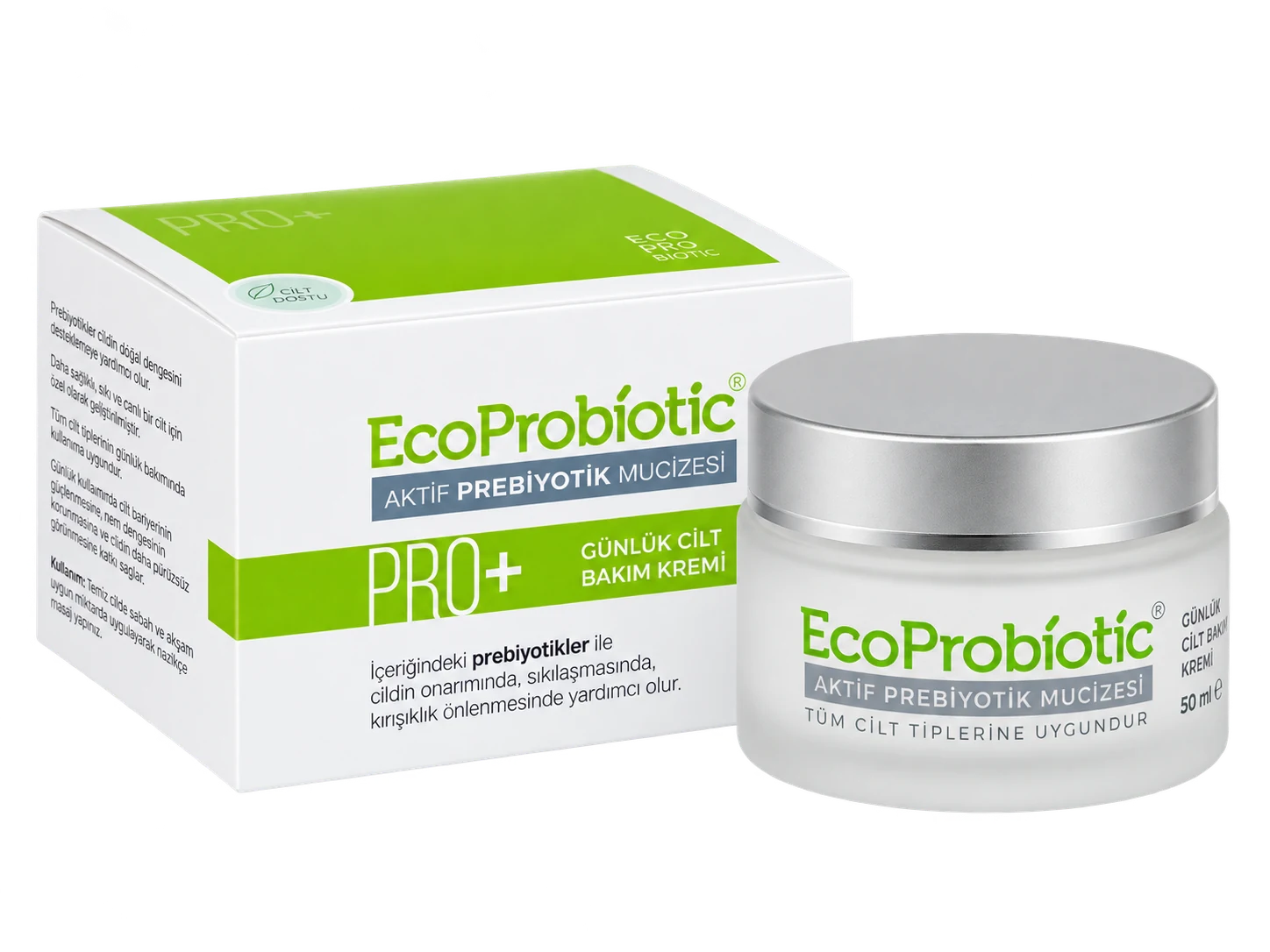 MoisturisingPrebiotic Skin CreamMoisturises the skin and helps repair the barrier. Available in three formulas: for all, dry and oily skin.View ↗
Caution
What to avoid, and when to see a doctor?
Avoid these
- ✕DIY lighteners such as lemon, vinegar, baking soda or toothpaste
- ✕Non-prescription “whitening” creams with unclear ingredients, especially products that may contain mercury or high-strength hydroquinone
- ✕Harsh grainy scrubs and frequent rubbing
- ✕Staying a long time unprotected in saunas, Turkish baths (hammams), steam or a hot kitchen
- ✕Using sunscreen only in summer or only on sunny days
- ✕Laser and IPL treatments done by inexperienced hands
- ✕Toners and cosmetics containing alcohol and heavy fragrance
- ✕Irritating your skin with thick, frequently changed makeup products to cover the patches
See a dermatologist
- →If the patches don't fade or keep spreading after 2–3 months of regular sun protection
- →If a patch has a different color, border or texture; if it is raised, bleeds or changes quickly
- →If the patches are on one side only or concentrated in a single spot
- →If you take hormonal medication and the patches started with it
- →If you had burning, redness or unexpected darkening after using a cream
- →If you're pregnant or breastfeeding and not sure which products you can use
Common misconceptions
Myth or fact?
Myth
Melasma only happens during pregnancy.
Fact
Pregnancy is an important trigger, but melasma can also develop in women who have never been pregnant, due to birth control pills, hormone therapy, sun, visible light and genetic predisposition.
Myth
You don't need sunscreen in winter.
Fact
UVA rays and visible light reach the skin in winter and on cloudy days too. With melasma, even a short break in protection can undo months of effort.
Myth
Laser erases melasma in one session.
Fact
Melasma is a recurring condition. Laser can be supportive for some people, but done with the wrong settings it can darken the patches. Lasting control comes from protection and combination treatment.
Popular searches
Most asked about Melasma
Your questions
Frequently asked questions
Does melasma go away on its own after giving birth?+
Some of the patches that start during pregnancy fade on their own in the months after birth. But if you don't protect yourself from the sun or if you have a genetic predisposition, the patches can become permanent. You can ask your dermatologist which treatments you can use while breastfeeding.
Which sunscreen should I choose?+
Choose a broad-spectrum, high-protection and, if possible, tinted cream, meaning one with iron oxides. Iron oxide creates an extra shield against visible light. Applying enough cream and reapplying it during the day is just as important as a high protection factor.
Are melasma and sun spots the same thing?+
No. Sun spots are usually round, individual spots with clear borders. Melasma spreads as large, symmetrical, map-like patches. Because the treatment approaches are also different, it's best to have a dermatologist tell them apart.
How long should I use dark spot creams?+
That depends on the active ingredient. Strong agents such as hydroquinone are used for set periods with breaks. Your dermatologist should decide the duration and the transition plan.
Does makeup make melasma worse?+
Non-irritating, fragrance-free products usually don't cause problems. In fact, tinted sunscreens and foundations with iron oxides can give extra protection. What matters is removing your makeup gently and completely in the evening.
Do probiotic skincare products help with melasma?+
Products with probiotic lysate and prebiotics can help support the barrier and the balance of the skin microbiome; this helps keep your skin more comfortable during pigmentation treatment. But these products do not replace sun protection or dermatological treatment.
Can melasma go away completely?+
Melasma is a chronic condition that tends to come back, so the aim is control rather than a one-time erase. With regular sun protection and the combination treatment your dermatologist plans, the patches fade noticeably in most women. To keep them faded, you need to continue sun protection even after treatment ends.
How can I get rid of melasma at home?+
The most effective thing you can do at home is to use a broad-spectrum, tinted sunscreen every day, reapply it during the day and add a wide-brimmed hat for extra protection. DIY treatments such as lemon, vinegar or baking soda can irritate the skin and darken the patches. Use dark spot creams only as your dermatologist recommends.
Which creams and acids are used for melasma?+
Based on your dermatologist's assessment, actives such as azelaic acid, tranexamic acid, kojic acid, niacinamide and vitamin C, or prescription combination creams containing hydroquinone, may be recommended. Which ingredient to use, how often and for how long depends on your skin tone and how deep the pigment is. Using strong dark spot creams without a prescription and for a long time can lead to permanent color changes.
What kind of doctor treats melasma?+
For melasma, you should see a dermatologist. If the patches started with pregnancy, birth control pills or hormone therapy, your dermatologist may assess them together with your gynecologist. Telling whether the patch is melasma, a sun spot or another pigment problem is the first step of treatment.
Scientific basis
Sources
- 1.Prevalence of melasma in pregnant women and its relationship with body perception: a cross-sectional study in Türkiye
Toktaş D, Atilla R · Sao Paulo Medical Journal · 2026 · doi:10.1590/1516-3180.2026.3641.27032026
Melasma prevalence was 37.8% among 450 pregnant women in Turkey; family history and darker skin type were important risk factors.
- 2.Melasma: an Up-to-Date Comprehensive Review
Ogbechie-Godec OA, Elbuluk N · Dermatology and Therapy · 2017 · doi:10.1007/s13555-017-0194-1
Summarized that melasma is linked to light, hormones and family history, and that combination treatments give better results than single methods.
- 3.Melasma, a photoaging disorder
Passeron T, Picardo M · Pigment Cell & Melanoma Research · 2018 · doi:10.1111/pcmr.12684
Proposed that melasma can be viewed as a photoaging disorder that appears in genetically predisposed people.
- 4.Recent progress in melasma pathogenesis
Lee AY · Pigment Cell & Melanoma Research · 2015 · doi:10.1111/pcmr.12404
Reviewed how, beyond pigment cells, skin cells, blood vessels and cells of the deeper layers also contribute to the persistence of melasma.
- 5.Heterogeneous Pathology of Melasma and Its Clinical Implications
Kwon SH, Hwang YJ, Lee SK, Park KC · International Journal of Molecular Sciences · 2016 · doi:10.3390/ijms17060824
Showed that melasma is a multifaceted picture involving different mechanisms such as sun damage, increased blood vessels and basement membrane disruption.
- 6.Defective barrier function in melasma skin
Lee DJ, Lee J, Ha J, Park KC, Ortonne JP, Kang HY · Journal of the European Academy of Dermatology and Venereology · 2012 · doi:10.1111/j.1468-3083.2011.04337.x
Measured greater water loss and slower barrier recovery after barrier disruption in skin with melasma.
- 7.Tranexamic acid in treatment of melasma: A comprehensive review of clinical studies
Taraz M, Niknam S, Ehsani AH · Dermatologic Therapy · 2017 · doi:10.1111/dth.12465
Highlighted that tranexamic acid is used for melasma by different routes, but that its effectiveness needs to be clarified by more studies.
- 8.Impact of long-wavelength UVA and visible light on melanocompetent skin
Mahmoud BH, Ruvolo E, Hexsel CL, et al. · Journal of Investigative Dermatology · 2010 · doi:10.1038/jid.2010.95
Showed that visible light also causes pigmentation in darker skin, and that this pigmentation is darker and longer-lasting than that from long-wave UVA.
- 9.The human skin microbiome
Byrd AL, Belkaid Y, Segre JA · Nature Reviews Microbiology · 2018 · doi:10.1038/nrmicro.2017.157
Comprehensively reviewed how the skin microbiome constantly interacts with the immune system and the barrier, and why its balance matters for skin health.
- 10.The role of topical probiotics in skin conditions: A systematic review of animal and human studies and implications for future therapies
Knackstedt R, Knackstedt T, Gatherwright J · Experimental Dermatology · 2020 · doi:10.1111/exd.14032
Systematically assessed that probiotics applied to the skin may positively affect bacterial balance in some skin conditions, while many areas need more research.