Definition
What is Acne?
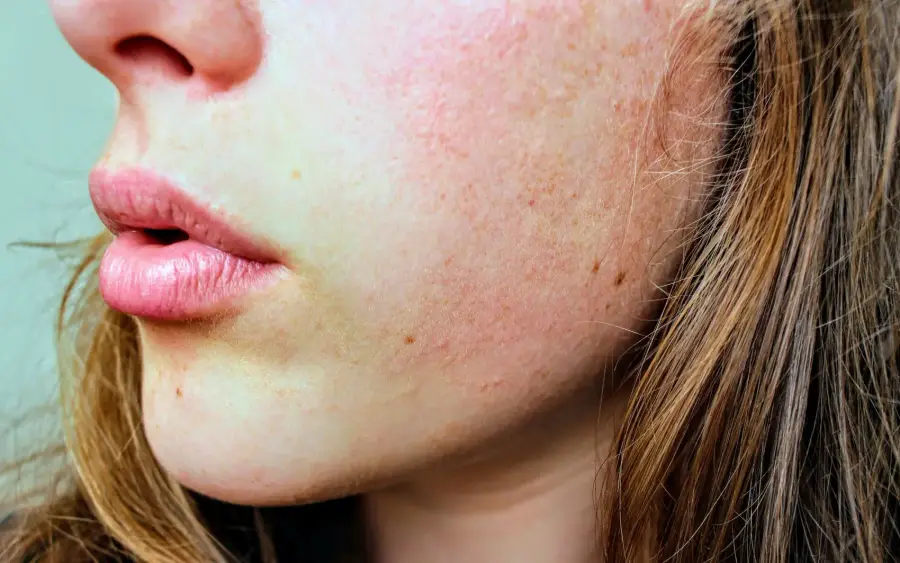
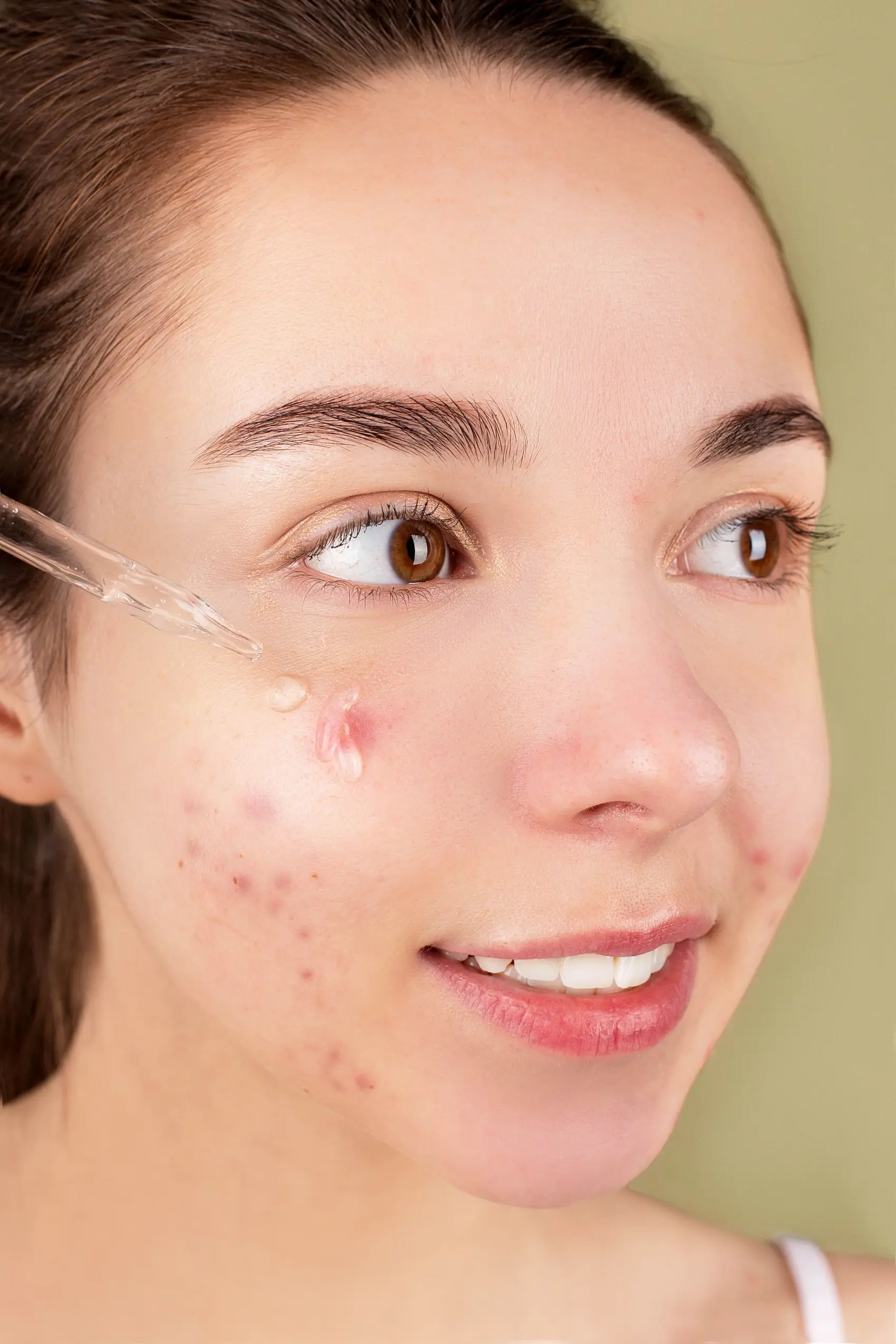
Acne (commonly called pimples or breakouts) is a chronic, inflammatory condition of the structure made up of a hair follicle and its attached oil gland (the pilosebaceous unit). The oil glands produce too much sebum, dead cells at the pore opening become stickier than usual and plug the canal, and in this closed-off environment an acne-associated skin bacterium that naturally lives on the skin (Cutibacterium acnes) multiplies, while the immune system responds with inflammation. The result: blackheads and whiteheads, red bumps, pus-filled pimples and sometimes deep, painful cysts.
Adult female acne behaves a little differently from teenage acne. It tends to settle along the jawline, under the chin and on the neck; it flares with the menstrual cycle, gets worse with stress and can respond more slowly to treatment. Hormones called androgens have a clear effect on the oil glands in this picture, which is why it is popularly called 'hormonal acne.' Even if your hormone levels are normal, your oil glands may respond more sensitively to these hormones.
Pimples are not a sign of dirty skin; the bacterium involved lives on everyone's skin, and the problem is inflammation starting in a closed, oily pore. Over-drying your skin with harsh products can increase irritation and drag the process out. So the answer to 'how do I get rid of acne?' is to combine the treatment your dermatologist recommends with a consistent daily routine that doesn't wear your skin down. Most acne treatments show clear results in 8–12 weeks.
Check yourself
How do you recognise it?
- ✓Open (blackheads) and closed (whiteheads) comedones on the nose, forehead and chin
- ✓Small, red bumps that are tender to the touch (papules)
- ✓Pimples with a yellow-white head of pus (pustules)
- ✓Deep, painful cysts or nodules that take a long time to go away
- ✓Breakouts concentrated along the jawline, under the chin and on the neck (typical of adult female acne)
- ✓Flare-ups that become noticeable the week before your period
- ✓Brown or red marks left behind after a pimple heals
- ✓Pitted or raised scars
- ✓A T-zone that turns shiny and oily quickly during the day
Why it happens
Main causes
01
The effect of androgen hormones
Androgens enlarge the oil glands and increase sebum production. In adult women, the oil glands may be highly sensitive to these hormones even when hormone levels are normal. Conditions such as polycystic ovary syndrome (PCOS) can also accompany acne.
02
Clogging at the pore opening
Cells in the pore wall normally shed in an orderly way. In acne-prone skin, these cells stick together, plugging the pore opening and forming the first stage, the microcomedone.
03
Bacteria in the pore
A closed, oil-rich pore is an ideal environment for certain subtypes of the acne-associated bacterium that naturally lives on the skin to gain the upper hand. This stimulates immune cells and turns a closed comedone into an inflamed pimple.
04
Inflammation
Today, inflammation is thought to play a role not only at the end of the acne process but at the very beginning, too. That's why approaches that calm inflammation matter in treatment.
05
Stress
Hormones that rise during stress can stimulate the oil glands and trigger breakouts; lack of sleep and fatigue amplify this effect. Researchers are also exploring the link between stress and overall inflammation in the body.
06
Genetic predisposition
People whose mother or father had acne may get acne more often and for longer.
In daily life
Triggers that cause flare-ups
Medical approach
Treatment options
01
Topical retinoids
These vitamin A–derived creams unclog pores, reduce new comedone formation and calm inflammation. Guidelines strongly recommend them as a cornerstone of acne treatment. Because dryness and redness can occur in the first weeks, you start at the frequency your dermatologist recommends; they are not used during pregnancy.
02
Benzoyl peroxide and topical antibiotics
Benzoyl peroxide lowers the bacterial load and doesn't cause resistance. Topical antibiotics aren't used alone; they're combined with benzoyl peroxide or a retinoid to limit resistance. Your dermatologist decides which combination is right for you.
03
Azelaic acid and salicylic acid
Azelaic acid targets both inflammation and post-acne marks; it's one of the options that can be considered for sensitive skin and during pregnancy. Salicylic acid dissolves oil inside the pore and helps with comedones. Guidelines give these two ingredients a conditional recommendation.
04
Oral antibiotics
For moderate to severe inflammatory acne, tetracycline-class antibiotics may be used for a limited time, after your dermatologist's assessment, and always alongside topical treatment. The goal is to get inflammation under control and then continue with creams.
05
Hormonal treatments
For adult female acne, especially along the jawline, hormonal treatments that reduce androgen effects (certain combined birth control pills or medications that suppress androgen activity) are among the options, after assessment by your dermatologist and, if needed, your gynecologist. Current guidelines give these options a conditional recommendation.
06
Oral isotretinoin
Strongly recommended for acne that is severe, scarring, emotionally draining or unresponsive to other treatments. Because it requires very strict pregnancy precautions and regular blood tests, it's used only under a dermatologist's supervision.
07
Supportive procedures
Chemical peels, light-based treatments and scar treatments can be planned with your dermatologist once acne is under control. Starting scar treatment while breakouts are still active is generally not recommended.
Did you know? · Acne
50.9% · About half of women aged 20–29 reported having acne; in every age group, rates were higher in women than in men.
Step by step
Care routine for Acne
- 1
Gentle cleansing
Use lukewarm water and a low-foaming, soap-free cleanser with a pH close to your skin's natural acidity. If your skin feels tight afterward, the cleanser is too harsh.
- 2
Targeted serum
If your dermatologist recommended it, apply a serum that targets inflammation and dark marks, such as azelaic acid or niacinamide.
- 3
Lightweight moisturizer
Moisturizer is a must, even for oily skin. A non-pore-clogging gel or lotion formula with prebiotics and ceramides supports the barrier.
- 4
Sunscreen
Acne treatments can make your skin more sensitive to the sun, and sun exposure darkens post-acne marks. Use a non-pore-clogging, broad-spectrum sunscreen every morning.
- 5
Keep makeup light
If you wear makeup, choose products labeled 'non-comedogenic' and wash your brushes at least once a week.
Care you can use in your routine
EcoProbiotic care range ↗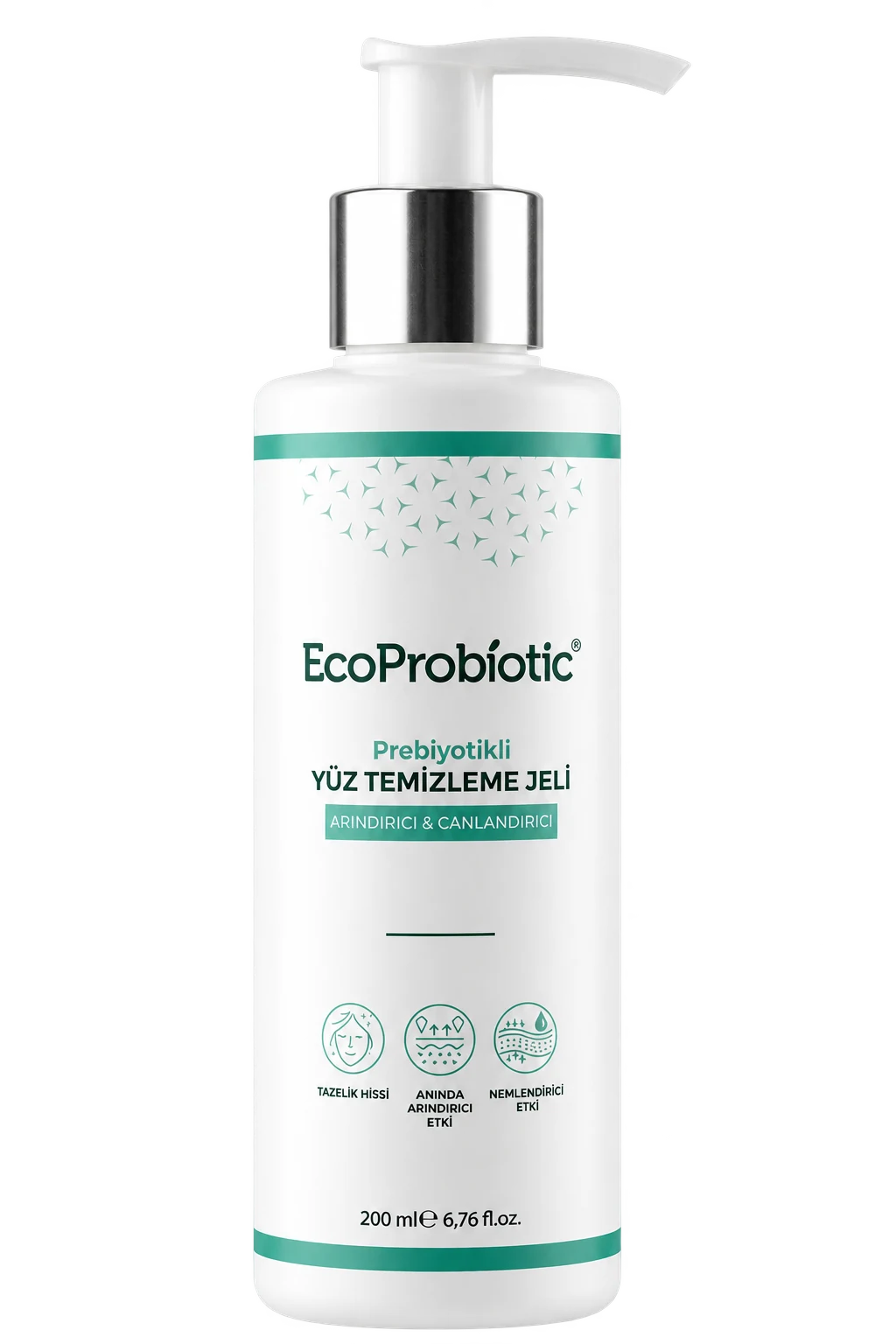 CleansingPrebiotic Face Cleansing GelRemoves make-up and the day’s grime with a gentle foam, supporting the skin barrier as it cleanses. Morning and evening.View ↗
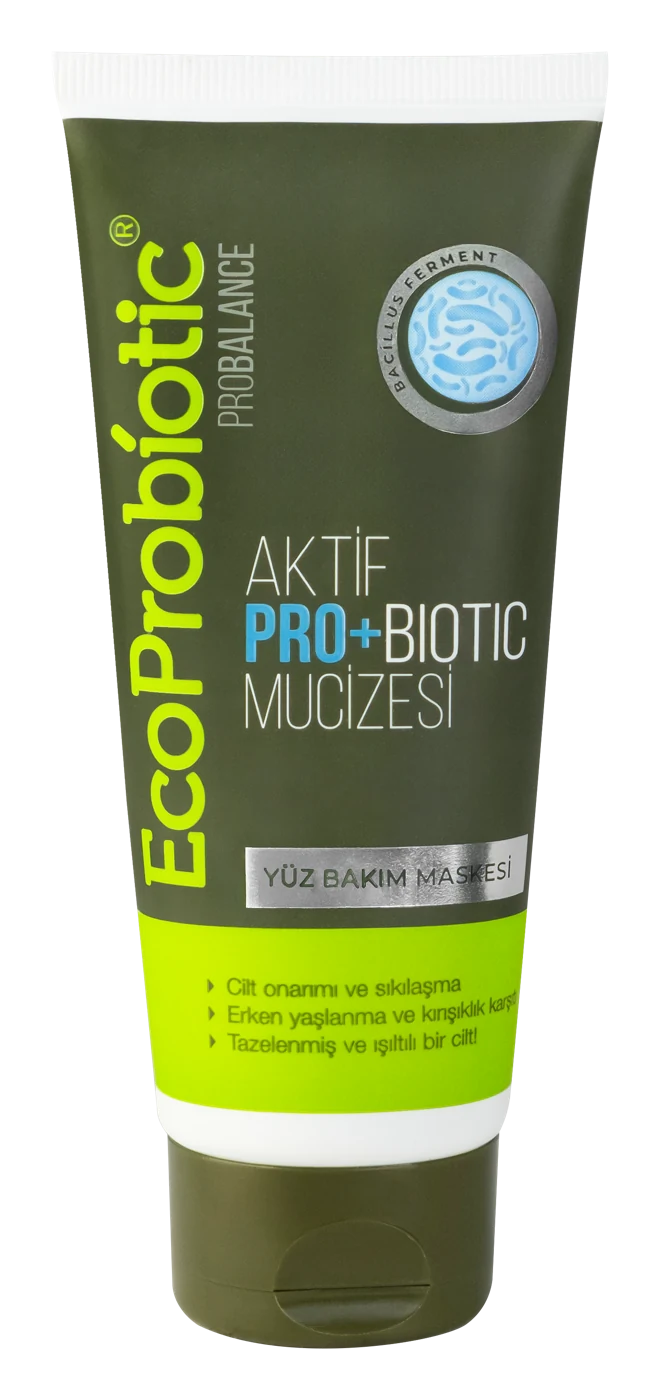 Weekly carePrebiotic Volcanic Clay MaskAbsorbs excess oil and dirt from the surface, purifying while supporting the barrier. Once or twice a week, for ten minutes.View ↗
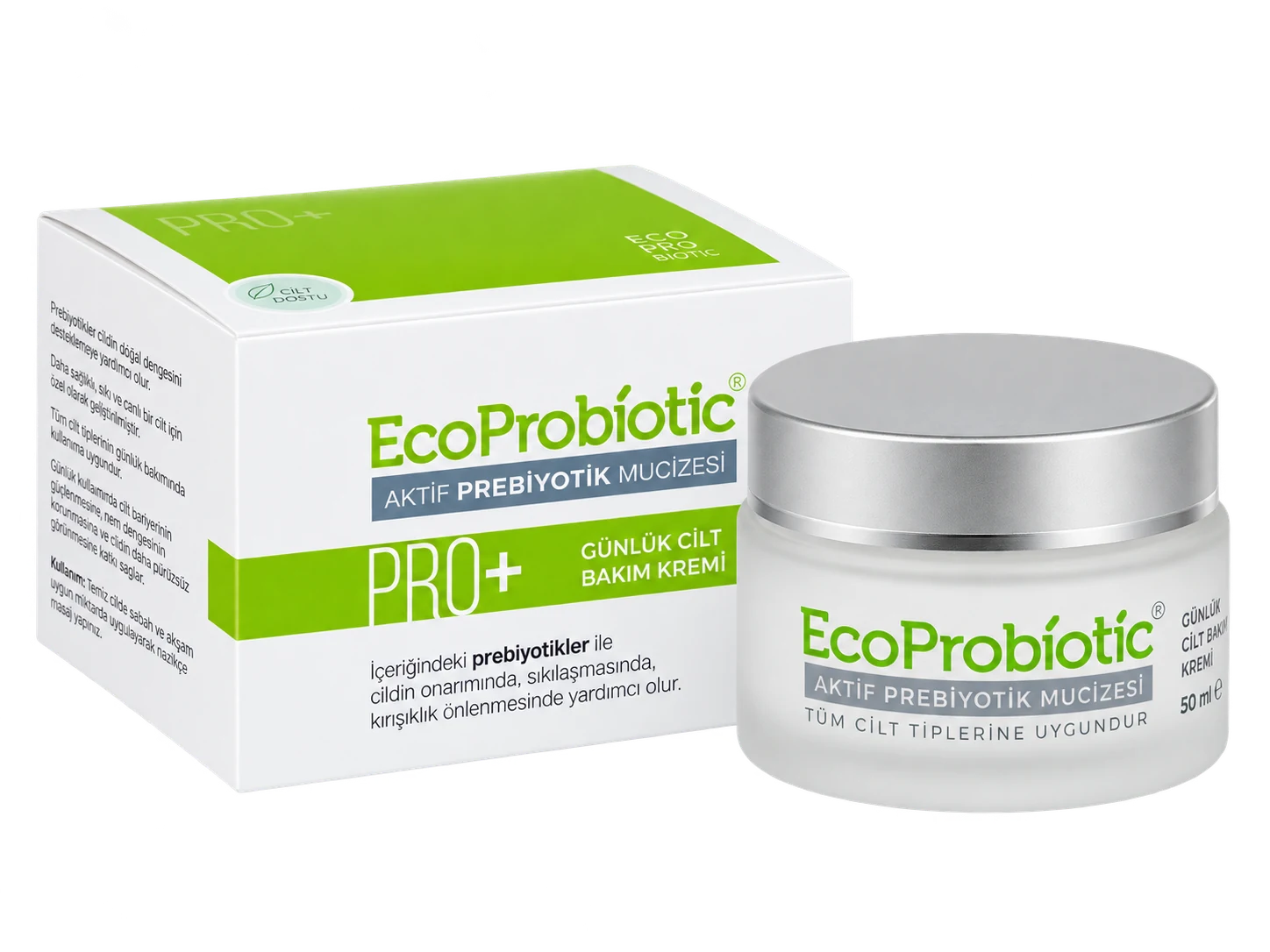 MoisturisingPrebiotic Skin CreamMoisturises the skin and helps repair the barrier. Available in three formulas: for all, dry and oily skin.View ↗
Caution
What to avoid, and when to see a doctor?
Avoid these
- ✕Squeezing, popping or opening pimples with a needle (raises the risk of scars and dark marks)
- ✕Washing your face more than twice a day and using harsh, foaming soaps
- ✕Alcohol-based toners and 'drying' DIY mixes (toothpaste, baking soda, lemon)
- ✕Gritty, harsh physical scrubs
- ✕Using several strong actives (retinoid, acids, benzoyl peroxide) at once without guidance
- ✕Using antibiotic creams on their own for long periods
- ✕Heavy, pore-clogging oils and creams
- ✕Switching treatments after 2–3 weeks to see results; most treatments take 8–12 weeks to work
See a dermatologist
- →If you have deep, painful, cyst-like pimples
- →If your breakouts are starting to leave scars or lasting marks
- →If hormonal signs like irregular periods, increased facial and body hair or hair loss come along with them
- →If drugstore products haven't helped after 2–3 months
- →If acne is affecting your self-confidence, mood or social life
- →If you're pregnant, breastfeeding or planning a pregnancy and want to learn about treatment options
Common misconceptions
Myth or fact?
Myth
Acne is a sign of dirty skin, so the more often you wash, the better.
Fact
Acne starts inside the pore and has nothing to do with hygiene. Washing too often and too harshly damages the barrier and can increase irritation and inflammation. Gentle cleansing twice a day is enough.
Myth
Acne only happens to teenagers and goes away after 25.
Fact
Research shows that about half of women aged 20–29 and more than a third of women in their 30s have acne. Adult female acne is very common.
Myth
Oily, acne-prone skin shouldn't use moisturizer.
Fact
Skipping moisturizer weakens the barrier and worsens the dryness caused by treatment creams. A lightweight, non-pore-clogging moisturizer is part of treatment.
Popular searches
Most asked about Acne
Your questions
Frequently asked questions
How can I tell if my acne is hormonal?+
If your breakouts mostly cluster along the jawline, under the chin and on the neck, flare before your period and tend to be deep and painful, a hormonal influence may be at play. A dermatologist makes the definitive assessment and may order hormone tests if needed.
I started treatment and my skin got worse in the first weeks. Is that normal?+
Especially with retinoids, dryness, redness and a temporary increase in breakouts can happen in the first 2–6 weeks. Don't skip moisturizer during this period, and talk to your dermatologist instead of stopping treatment on your own.
Can probiotics replace antibiotics?+
No. Skincare supported by probiotics and prebiotics may help support microbiome balance and the barrier, but for moderate to severe acne it doesn't replace the treatment your dermatologist recommends; it works alongside it.
Does my diet affect my acne?+
There's evidence that in some people, high-glycemic foods (which raise blood sugar quickly) and dairy can make acne worse, but the effect varies from person to person. Keeping a food diary to observe your own triggers can be helpful.
When do acne marks fade?+
Brown marks can fade on their own over months; daily sunscreen speeds up the process. Azelaic acid and retinoids can also help marks fade. Pitted scars, however, require dermatological procedures.
Can acne be treated during pregnancy?+
Yes, but options are limited. Retinoids and some antibiotics are not used during pregnancy. Options like azelaic acid can be considered; your dermatologist and OB-GYN should always make the decision together.
Should you pop pimples?+
You shouldn't. Squeezing a pimple pushes inflammation deeper, slows healing and raises the risk of lasting marks or pitted scars. To keep from picking at an annoying pimple, you can cover it with a patch like a pimple patch, and see your dermatologist for deep, painful ones.
Why do I break out on my chin?+
Breakouts along the jawline and under the chin are common in adult women and are often linked to oil glands being sensitive to androgen hormones. Premenstrual flare-ups, stress and touching your face often can also play a role. If irregular periods or increased hair growth come along with them, you should be evaluated for conditions like PCOS.
How long does acne treatment take?+
A single inflamed pimple usually calms down within a few days to two weeks. With acne treatment, though, creams usually show clear results in 8–12 weeks. That's why it's important to keep going patiently instead of switching products after 2–3 weeks, and to review the results with your dermatologist.
What helps pimples at home?+
Gentle cleansing twice a day, a lightweight non-pore-clogging moisturizer, sunscreen every morning and ingredients with proven effects like salicylic acid or benzoyl peroxide are the most effective steps you can take at home. DIY mixes like toothpaste, lemon and baking soda can irritate your skin and make marks worse.
Scientific basis
Sources
- 1.Guidelines of care for the management of acne vulgaris
Reynolds RV, Yeung H, Cheng CE, ve ark. · Journal of the American Academy of Dermatology · 2024 · doi:10.1016/j.jaad.2023.12.017
The American Academy of Dermatology's current guideline; it gives strong recommendations for retinoids, benzoyl peroxide, topical antibiotics and isotretinoin for severe acne, and conditional recommendations for azelaic acid and hormonal options.
- 2.Guidelines of care for the management of acne vulgaris
Zaenglein AL, Pathy AL, Schlosser BJ, ve ark. · Journal of the American Academy of Dermatology · 2016 · doi:10.1016/j.jaad.2015.12.037
The previous comprehensive guideline, emphasizing that antibiotics should not be used alone and should be combined with benzoyl peroxide to limit resistance.
- 3.A global perspective on the epidemiology of acne
Tan JKL, Bhate K · British Journal of Dermatology · 2015 · doi:10.1111/bjd.13462
Reported that acne affects about 9.4% of the world's population and is the eighth most common disease worldwide.
- 4.The prevalence of acne in adults 20 years and older
Collier CN, Harper JC, Cafardi JA, ve ark. · Journal of the American Academy of Dermatology · 2008 · doi:10.1016/j.jaad.2007.06.045
50.9% of women aged 20–29 and 35.2% of women aged 30–39 reported acne; rates in women were higher than in men across all adult age groups.
- 5.Cutibacterium acnes (Propionibacterium acnes) and acne vulgaris: a brief look at the latest updates
Dréno B, Pécastaings S, Corvec S, ve ark. · Journal of the European Academy of Dermatology and Venereology · 2018 · doi:10.1111/jdv.15043
Showed that people with acne do not have more of this bacterium in their pores; rather, loss of microbial diversity and activation of innate immunity set off inflammation.
- 6.Acne vulgaris, probiotics and the gut-brain-skin axis - back to the future?
Bowe WP, Logan AC · Gut Pathogens · 2011 · doi:10.1186/1757-4749-3-1
Reviewed the gut–brain–skin axis theory, which proposes that stress may affect acne through the gut microbiota and systemic inflammation, and the possible role of probiotics.
- 7.The potential of probiotics for treating acne vulgaris: A review of literature on acne and microbiota
Goodarzi A, Mozafarpoor S, Bodaghabadi M, Mohamadi M · Dermatologic Therapy · 2020 · doi:10.1111/dth.13279
Reviewed evidence that probiotics suppress the acne-associated bacterium and reduce inflammatory signals in the lab, and that oral probiotics may complement standard treatment in mild to moderate acne.
- 8.The role of topical probiotics in skin conditions: A systematic review of animal and human studies and implications for future therapies
Knackstedt R, Knackstedt T, Gatherwright J · Experimental Dermatology · 2020 · doi:10.1111/exd.14032
Systematically reviewed studies on the role of topically applied probiotics in conditions such as atopic dermatitis, acne and rosacea, and identified areas needing further research.
- 9.Changing our microbiome: probiotics in dermatology
Yu Y, Dunaway S, Champer J, Kim J, Alikhan A · British Journal of Dermatology · 2020 · doi:10.1111/bjd.18088
Reported that oral and topical probiotics generally showed positive results in some inflammatory skin diseases, but that the results need to be confirmed by more studies.