Hair and scalp · 9 types
Beautiful hairstarts at the scalp.
The structure of the hair strand and the balance of the scalp work together. First find your strand type, then your scalp type, and build your routine around both.
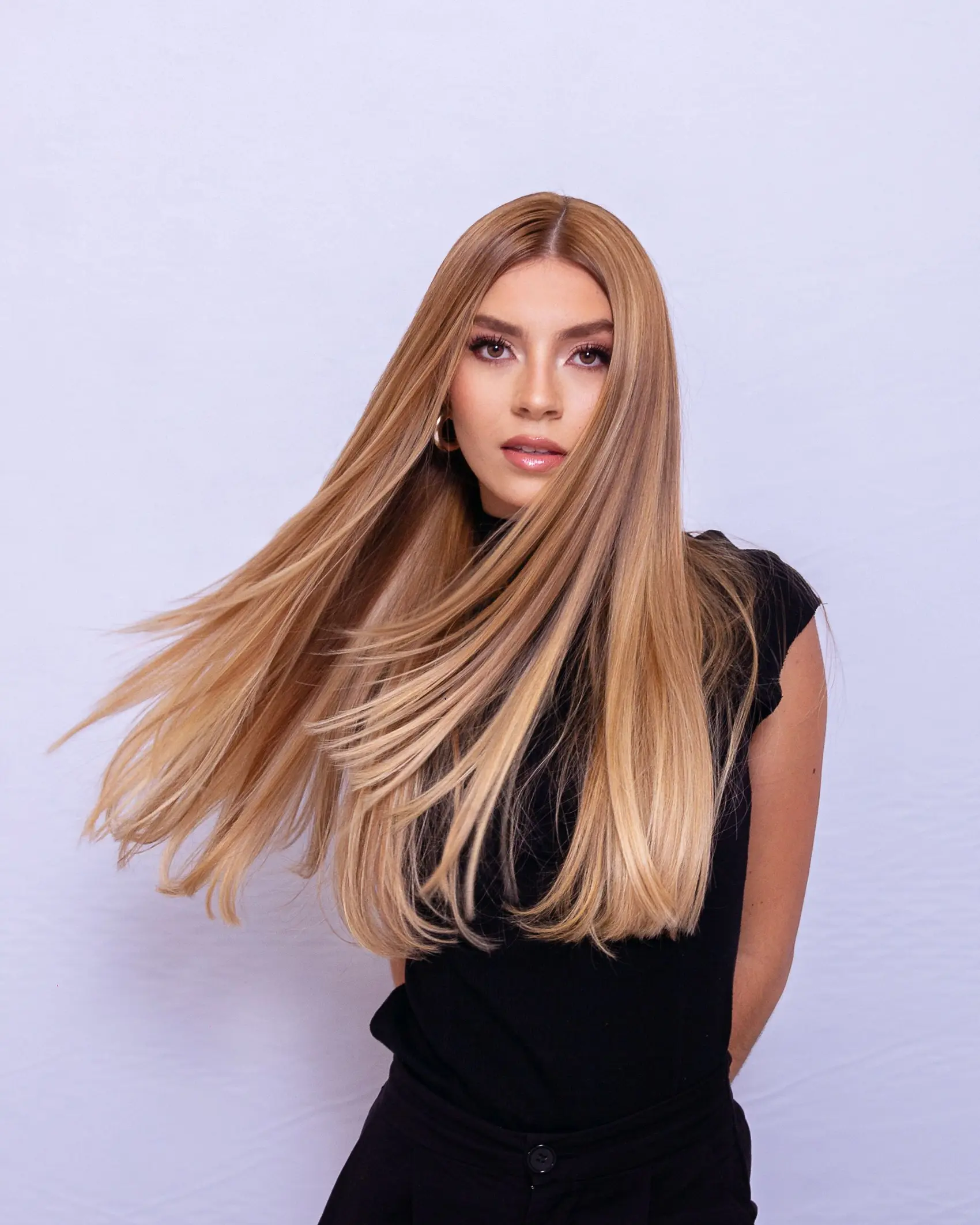 Hair strandStraight hair (Type 1)Straight hair care focuses on two things: slowing down how fast your roots get oily and adding volume without weighing the strands down. Here you'll learn, step by step, why straight hair gets oily so quickly and how to keep it shiny and full.
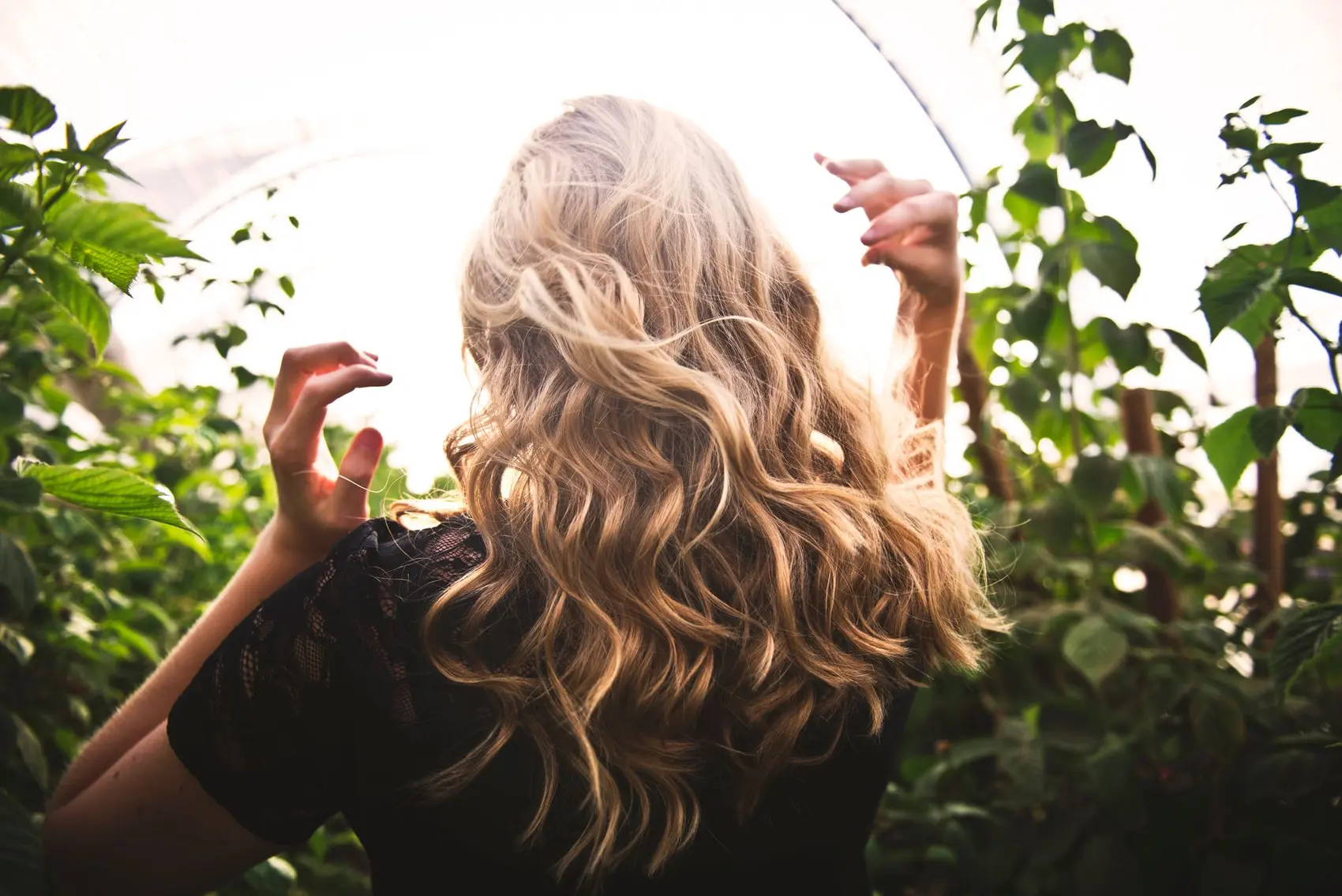 Hair strandWavy hair (Type 2A–2C)When wavy hair isn't cared for the right way, the waves either get weighed down and fall flat or puff up and fall apart. With light moisture, the right detangling and hands-off drying, you can get defined, frizz-free S-waves.
 Hair strandCurly and coily hair (Type 3–4)Curly hair care starts with protecting the most delicate parts of your hair: every curl loses moisture quickly and breaks easily with friction. With washing, moisture and drying steps that reduce frizz and dryness, your curls become more defined.
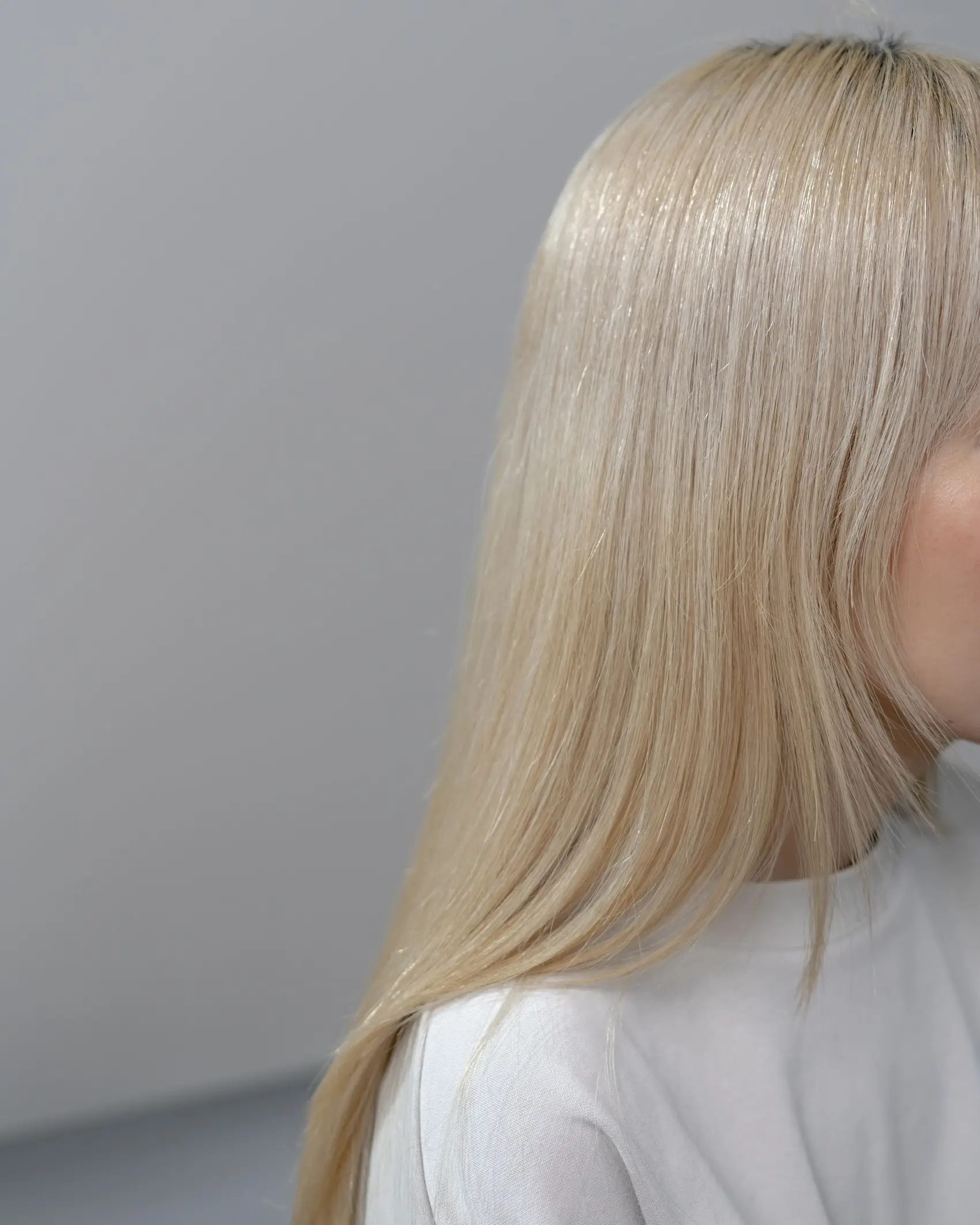 Hair strandFine and thinning hairThe goal of fine hair care is to add volume without weighing hair down and to prevent breakage. Has your hair always been fine, or has it thinned recently? Understanding that difference is the first step to finding out what helps with thinning hair.
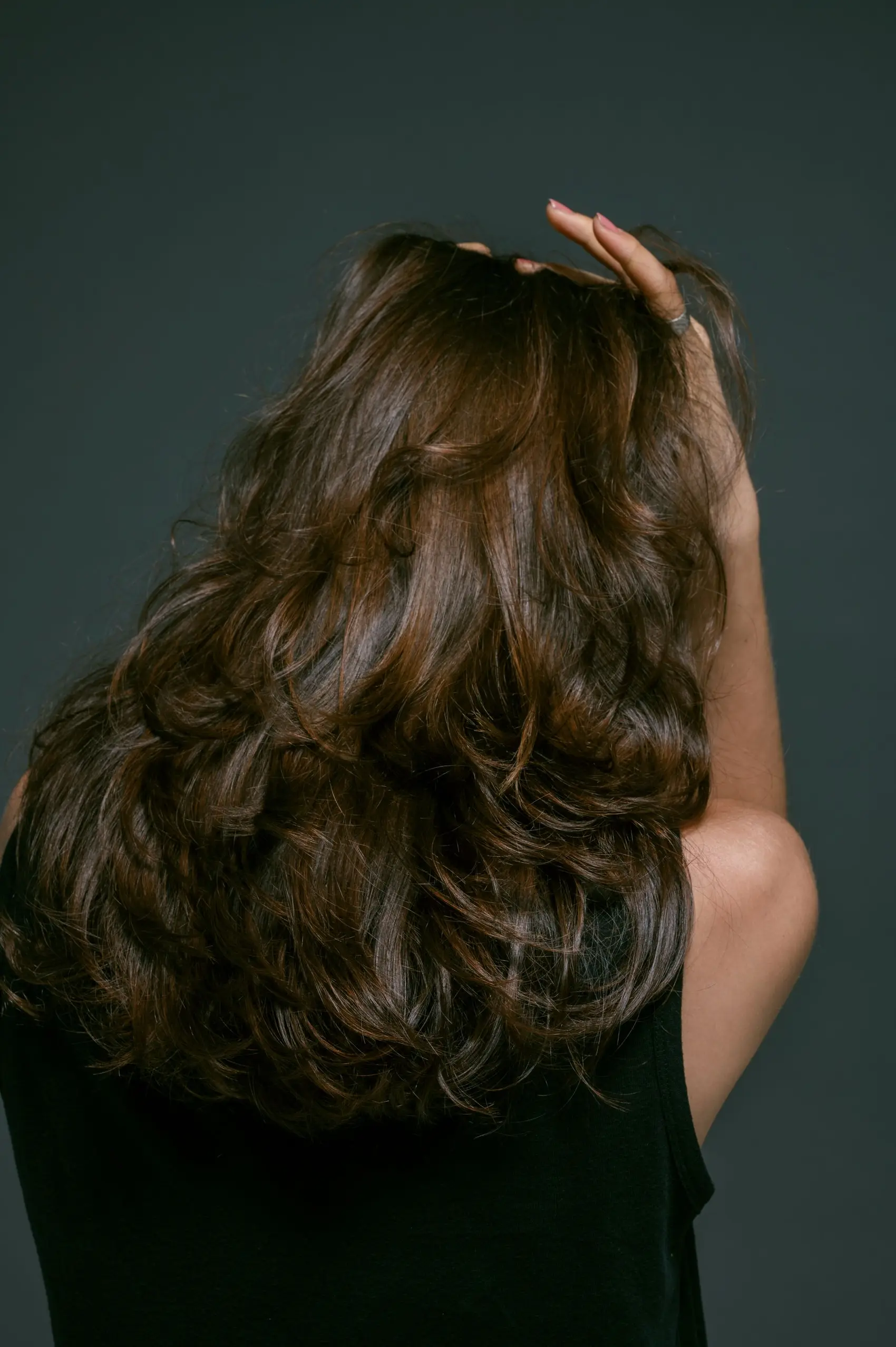 Hair strandThick and dense hairThick, dense hair is strong, but it frizzes easily, takes a long time to dry and has a hard time absorbing products. Here you'll find how to tame puffy hair, how to work moisture into the strand and how to truly clean your scalp under dense hair.
 Hair strandColored, bleached and chemically treated hair (including keratin and perms)Color-treated hair care is built around protecting your color and strengthening damaged strands. Dye, bleach, perms and keratin treatments change the inner structure of your hair; with the right shampoo and the right balance of heat and moisture, you can protect both your color and your hair's strength for longer.
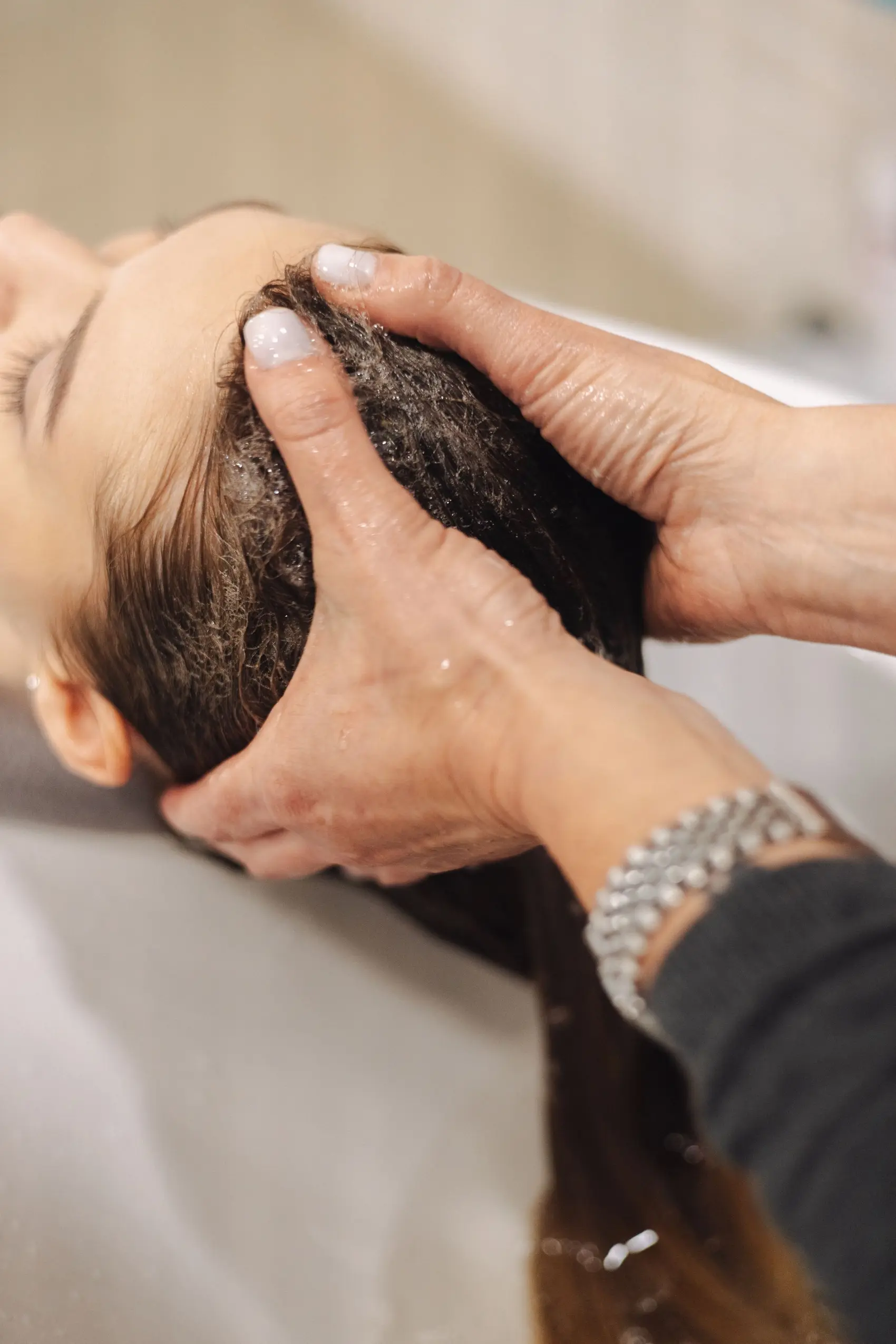 ScalpOily scalpGreasy roots are a very common issue that makes hair you washed in the morning look oily by evening. Once you understand why it happens and adjust your wash frequency, shampoo and care habits, your oily scalp will feel much more balanced and fresh.
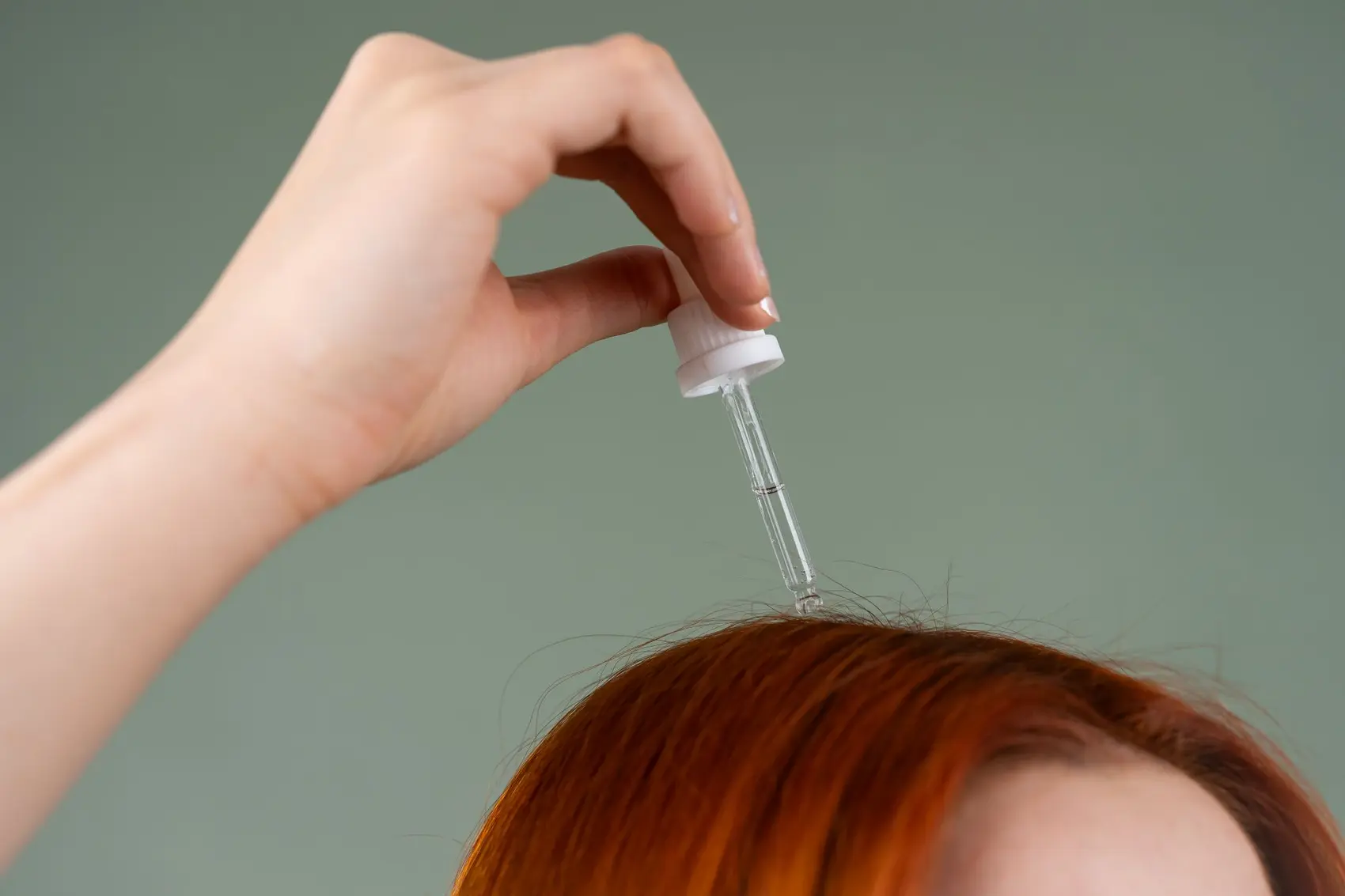 ScalpDry scalpA dry scalp shows up as tightness, itching and fine white flakes falling on your shoulders, and it's often mistaken for dandruff. A dry scalp needs moisture, not stripping: with the right shampoo, lukewarm water and moisturizing care, flaking can decrease noticeably.
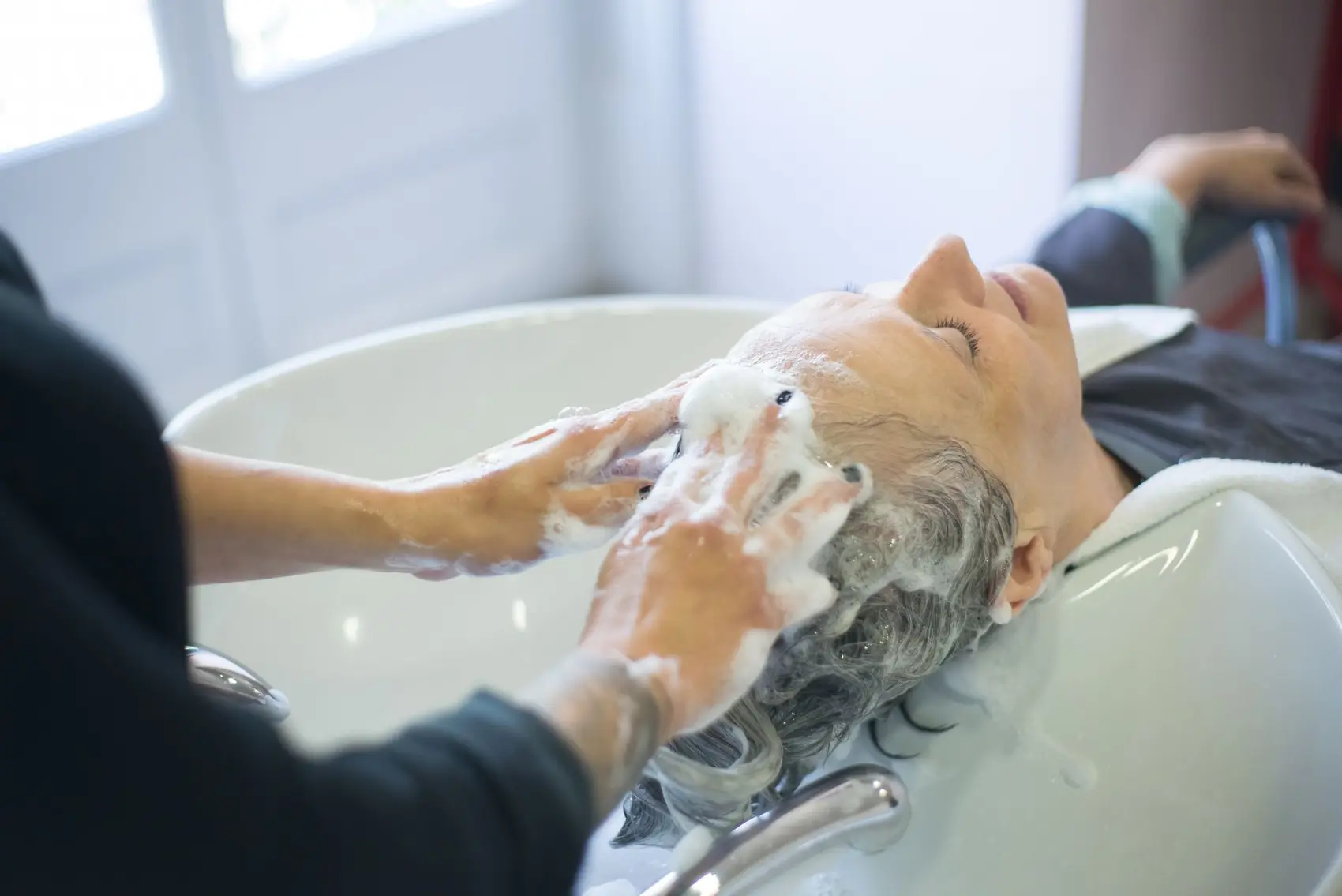 ScalpSensitive and itchy scalpScalp itching, burning and sore roots aren't in your head; a sensitive scalp is a real condition that has been described in research. When you identify your triggers and switch to simple, fragrance-free, soothing care, your scalp usually calms down.