Self-test
Is this type yours?
- ◎In the past year, your hair has had color, highlights, balayage, bleach, a perm or a keratin straightening treatment.
- ◎The colored parts of your hair are drier, rougher and duller than the natural hair growing in at the roots.
- ◎Your wet hair stretches like gum and snaps easily when you pull it; this is common in over-bleached hair.
- ◎Your color fades after a few washes or turns yellow-orange (brassy).
- ◎Glass of water test: If a clean strand sinks to the bottom of the glass right away, it has high porosity; this is very common in chemically treated hair.
- ◎You see obvious split ends and broken strands at the ends.
- ◎Conditioner gets absorbed the moment you apply it, and your hair feels dry again soon after.
In depth
The science of your hair
To get inside the hair strand, permanent dyes and bleaches open the cuticle scales in an alkaline environment (using ammonia or similar agents) and break down the natural pigment with an oxidizer (hydrogen peroxide). In the process, the cuticle layers weaken, and the proteins in the cortex and the natural lipid layer that makes the strand's surface water-repellent get damaged. Electron microscope studies show that bleaching markedly disrupts the structure of the cuticle and cortex. As a result, hair becomes more porous: it absorbs water and products quickly but loses them just as quickly, its color fades faster and it becomes prone to breakage. Perms and permanent straightening chemically break and rearrange the disulfide bonds that give the strand its shape, which also reduces the cortex's resilience.
Keratin straightening treatments also raise a health issue: some products can release formaldehyde when heated, so the air you breathe during application matters. On the scalp side, dyes and bleaches can cause irritation, burning and, in some people, allergic reactions. An irritated scalp becomes more prone to itching and burning. That's why care for colored and damaged hair revolves around three goals: repairing and strengthening the strand, protecting the color and keeping the scalp calm.
Priorities
What does it need?
01
Strengthening and repair
Chemically treated hair has lost proteins and its natural lipid layer. Protein treatments and bond-building products help strands feel stronger.
02
Intense moisture
High-porosity hair can't hold moisture. Layered moisture (a water-based cream followed by oil or a rich cream) helps keep moisture inside.
03
Protecting the color
The main factors that speed up color fading are harsh shampoos, hot water, sun and heat. Gentle cleansing and sun protection extend the life of your color.
04
Limiting heat
Chemically treated hair is more sensitive to heat. A heat protectant and low temperatures are the foundation of reducing breakage.
05
Protecting the scalp
Dye and bleach can irritate the scalp. Letting your scalp rest between treatments and using gentle care is important.
06
Spacing out treatments
Having root color applied only to the roots and leaving time between bleaching sessions keeps already-treated lengths from being damaged over and over.
Colored, bleached and chemically treated hair (including keratin and perms)
Strengthening and repair
Step by step
Your hair routine
- 1
Wait the first 48–72 hours
After coloring or a keratin treatment, postpone your first wash for as long as your stylist recommends; the color and treatment set during this time.
- 2
Gentle, low-pH shampoo
A sulfate-free or gentle-surfactant shampoo with a mildly acidic pH protects your color and cuticle.
- 3
Wash less often, and cooler
If possible, stick to two or three washes a week and use lukewarm-to-cool water; hot water makes color wash out faster.
- 4
Shampoo on your scalp only
Apply shampoo to your scalp and let only the lather running down clean your lengths.
What you can add to your routine
Treatments affect your scalp too
Dyes and bleaches are alkaline and come into contact with the scalp. This can temporarily disrupt the scalp's mildly acidic surface and its protective barrier; burning, redness and itching can be signs of this.
Getting back to acidic balance
Healthy skin's surface is mildly acidic, and this environment suits beneficial microorganisms. Using gentle, mildly acidic products after a treatment can help your scalp return to this balance.
Reading labels
Ingredient guide
✓What helps
- Mild surfactants and a mildly acidic pH: help the cuticle close and protect your color.
- Hydrolyzed keratin and other small proteins: research has shown they can penetrate the strand and improve some of its physical properties.
- Bond-building ingredients: developed to support the bonds damaged by bleaching and chemical treatments.
- Cationic conditioning agents (behentrimonium, cetrimonium, polyquaternium): cling to damaged, negatively charged strands and add slip.
- Silicones (such as amodimethicone): attach to the most damaged areas, reducing friction and adding shine.
- Coconut oil: research has shown it reduces protein loss from inside the strand during washing.
- Panthenol and glycerin: hold water in high-porosity strands.
- UV filters and antioxidants: can help limit the sun's oxidative effect on color and strands.
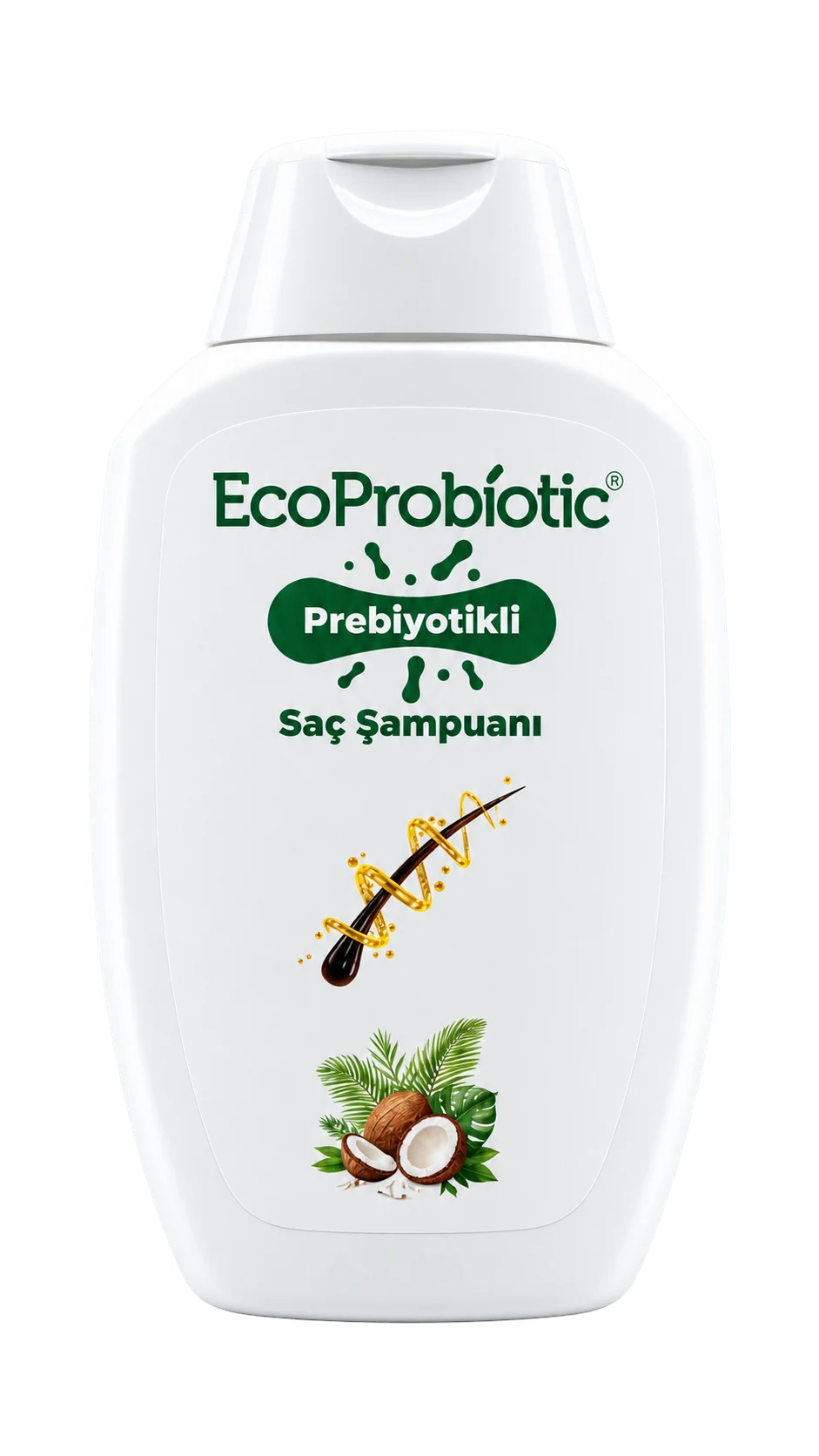
- Prebiotic ingredients: after treatments, can help support microbiome balance by feeding the beneficial microorganisms on your scalp.
!Be careful with
- Strong sulfates: can make color fade faster and dry out damaged strands even more.
- Formaldehyde or formaldehyde-releasing agents (such as formalin, methylene glycol): may be found in keratin straightening products; inhaling them during application is a health concern.
- Frequent use of clarifying shampoos: removes buildup but also strips color fast; use only when needed.
- Drying alcohols: can dry out damaged strands even more.
- Protein overload: strands can become stiff and brittle; balance it with moisture.
- Irritating products on the scalp before coloring: scratching your scalp or doing a harsh scrub before dyeing can increase irritation.
Caution
Common mistakes
- ✕Having root color applied to all of your hair every time.
- ✕Repeating bleach at very short intervals.
- ✕Washing with hot water and a strong shampoo right after coloring.
- ✕Using a flat iron without a heat protectant.
- ✕Using only protein products and neglecting moisture, or the other way around.
- ✕Getting a keratin straightening treatment in a poorly ventilated space.
- ✕Skipping the allergy patch test before coloring every time.
Popular searches
Most asked about Colored, bleached and chemically treated hair (including keratin and perms)
Your questions
Frequently asked questions
Do I need a sulfate-free shampoo for colored hair?+
It's not a must, but it's usually helpful. Strong sulfates can strip color faster and dry out damaged strands. A shampoo with mild surfactants and a mildly acidic pH helps extend the life of your color.
My bleached hair stretches like gum when wet. What should I do?+
This is a sign that the cortex has been seriously weakened. Stay away from heat and new chemical treatments for a while, focus on protein and bond-building treatments, and be very gentle with your hair when it's wet. If breakage continues, trimming the damaged ends is the healthiest solution.
Does a keratin treatment repair hair?+
Keratin straightening makes hair look smooth and shiny temporarily, but it's a styling treatment, not a repair treatment. Some products can release formaldehyde when heated. If you're going to get one, choose a well-ventilated salon and ask about the product's ingredients.
Why is my colored hair turning yellow or orange?+
When bleach breaks down your natural pigment, yellow and orange undertones are left behind. Over time, as the dye molecules wash out, these tones become visible. Care products with purple or blue pigments help balance these tones.
Can I dye my hair while pregnant or breastfeeding?+
Your OB-GYN can give you the most accurate information on this. In general, it's recommended to have treatments done in a well-ventilated space, keep contact with the scalp to a minimum and especially avoid straightening treatments that can release formaldehyde.
When can I shampoo after dyeing my hair?+
It's best to follow your stylist's advice; generally, postponing the first wash for 48–72 hours after coloring is recommended. Using a gentle, mildly acidic shampoo and lukewarm-to-cool water for the first washes helps less color wash out.
Does hair dye damage your hair?+
Permanent dye, and bleach in particular, damages the hair strand because it opens the cuticle and breaks down the natural pigment; research shows that bleach disrupts the structure of the cuticle and cortex. To reduce damage, it's important to have root color applied only to the roots, leave time between treatments and use conditioner with every wash.
How do I soothe an itchy, burning scalp after dyeing?+
For mild, short-lived burning or itching, rinsing your scalp thoroughly with lukewarm water, using fragrance-free gentle products and not scratching are usually enough. If you develop redness, swelling, oozing or facial swelling, this may be a sign of an allergy; see a doctor right away and never use that dye again.
How do I care for damaged hair at home?+
Conditioner with every wash, a repairing leave-in on wet hair and a few drops of oil on your ends are the basic steps. Alternate protein and moisturizing masks once a week, never apply heat without a heat protectant and get your split ends trimmed every 8–12 weeks.
Scientific basis
Sources
- 1.The influence of hair bleach on the ultrastructure of human hair with special reference to hair damage
Imai T · Okajimas Folia Anatomica Japonica 88(1):1-9 · 2011 · doi:10.2535/ofaj.88.1
Showed at the electron-microscope level that bleaching treatments disrupt the cuticle layers and the structures within the cortex.
- 2.Human hair and the impact of cosmetic procedures: a review on cleansing and shape-modulating cosmetics
Cruz CF, Costa C, Gomes AC, Matamá T, Cavaco-Paulo A · Cosmetics 3(3):26 · 2016 · doi:10.3390/cosmetics3030026
A review of how shampooing, perming and straightening change the cuticle and cortex structure of the hair shaft.
- 3.Characterization of formaldehyde exposure resulting from the use of four professional hair straightening products
Pierce JS, Abelmann A, Spicer LJ, et al. · Journal of Occupational and Environmental Hygiene 8(11):686-699 · 2011 · doi:10.1080/15459624.2011.626259
Measured that during the application of some professional keratin straightening products, formaldehyde levels in the room air can exceed occupational exposure limits.
- 4.Penetration of different molecular weight hydrolysed keratins into hair fibres and their effects on the physical properties of textured hair
Malinauskyte E, Shrestha R, Cornwell PA, et al. · International Journal of Cosmetic Science 43(1):26-37 · 2021 · doi:10.1111/ics.12663
Showed that low-molecular-weight hydrolyzed keratin can penetrate curly hair strands and improve some of the strand's physical properties.
- 5.Hair shaft damage from heat and drying time of hair dryer
Lee Y, Kim YD, Hyun HJ, Pi LQ, Jin X, Lee WS · Annals of Dermatology 23(4):455-462 · 2011 · doi:10.5021/ad.2011.23.4.455
Showed that using a hair dryer too close to the hair and at high heat increases cuticle damage, while drying from about 15 cm (6 inches) away with constant motion markedly reduces damage.
- 6.Oxidative stress in ageing of hair
Trüeb RM · International Journal of Trichology 1(1):6-14 · 2009 · doi:10.4103/0974-7753.51923
Reviews how oxidative stress, together with sunlight and environmental factors, plays a role in the aging of the hair shaft and hair follicle.
- 7.Hair cosmetics: an overview
Gavazzoni Dias MF · International Journal of Trichology 7(1):2-15 · 2015 · doi:10.4103/0974-7753.153450
A comprehensive review that summarizes, from a dermatological perspective, the ingredients of hair cosmetics such as shampoo, conditioner, dyes and straighteners and their effects on the hair shaft.