Self-test
Is this type yours?
- ◎When you roll a single strand between your fingers, you can barely feel it; or when you place it next to a sewing thread, it looks noticeably thinner.
- ◎When you put your hair in a ponytail, you have to wrap the hair tie three or more times.
- ◎Shortly after washing, your hair goes flat at the roots and loses its volume.
- ◎Your scalp shows easily at your part or crown; this can be due to fine strands or to thinning.
- ◎Heavy creams and oils instantly weigh your hair down and make it look stuck together.
- ◎If your part line has widened in recent months, your scalp has become more visible at the crown or your ponytail has gotten thinner, this may be a sign of thinning.
In depth
The science of your hair
Fine hair means the diameter of a single strand is small; thinning (low-density) hair means there are fewer strands per square centimeter of scalp. Research shows that strand diameter and hair density vary markedly from person to person and between populations. A fine strand contains less cortex, so it breaks more easily under the same force and can't carry heavy products. Because the strand's surface gets coated with sebum quickly, fine hair soon looks oily and flat. That's why fine hair care is built around strengthening the strand while keeping it light.
Thinning is a separate topic. The most common form of thinning in women is female pattern hair thinning, which develops gradually at the crown and along the part line (also known as female pattern hair loss or androgenetic alopecia); in this condition, the hair follicles produce thinner strands with each cycle. Iron deficiency, thyroid problems, the postpartum period, intense stress and strict diets can also lead to temporary hair shedding. Keeping your scalp clean and calm helps support the ground in which healthy strands can grow; however, with noticeable or rapid thinning, it's essential to see a dermatologist.
Priorities
What does it need?
01
Lightness
Fine strands can't carry heavy creams and oils. Light products that rinse out easily care for your hair without making it go flat.
02
Strength and resilience
Ingredients like hydrolyzed proteins and panthenol can give fine strands a feeling of body and strength.
03
Root volume
Volume starts with a clean, balanced scalp. Not weighing down your roots and drying from the roots are the most effective methods.
04
Mechanical gentleness
Fine strands break easily with tight updos, harsh brushing and high heat. Gentle tools and loose styles protect your hair's length.
05
Scalp health
Hair follicles live inside your scalp. A clean, unirritated and balanced scalp offers a more favorable environment for hair growth.
06
Tracking thinning
Taking a photo of your part line every few months in the same lighting is an easy way to notice changes and act early if needed.
Fine and thinning hair
Lightness
Step by step
Your hair routine
- 1
Frequent but gentle washing
Because fine hair gets oily quickly, it can be washed every day or every other day. As long as you use a gentle shampoo, this won't harm your hair.
- 2
Shampoo on your scalp only
Apply shampoo to your scalp with your fingertips, not your nails. The lather that runs down cleans the lengths.
- 3
Conditioner first, then shampoo
If your hair falls flat very quickly, try applying conditioner to your ends before shampooing and then washing with shampoo; the lengths get softened while the roots stay light.
- 4
Notice shedding, but don't panic
Losing 50–100 strands a day while washing is normal. If you go a few days without washing, that number will look bigger all at once.
What you can add to your routine
The environment where follicles live
Every hair strand grows from a follicle inside your scalp. Research reports that the scalp microbiome is linked to hair follicle biology and that microbiome changes are seen in some forms of hair loss.
Irritation and itching
An itchy, flaky or irritated scalp also wears down strands mechanically through frequent scratching. Keeping your scalp calm and balanced means extra protection for fine strands.
Reading labels
Ingredient guide
✓What helps
- Mild surfactants: don't wear out your scalp or strands with frequent washing.
- Hydrolyzed proteins (e.g. small proteins like hydrolyzed keratin): can give fine strands a feeling of body and strength.
- Panthenol: holds moisture in the strand, adds elasticity and can help fine hair feel fuller.
- Scalp care products with caffeine and niacinamide: can help your scalp feel cared for and comfortable.
- Light polymers and volumizing mousses: lift strands at the roots without adding weight.
- Volatile silicones: give short-term shine and evaporate without building up.
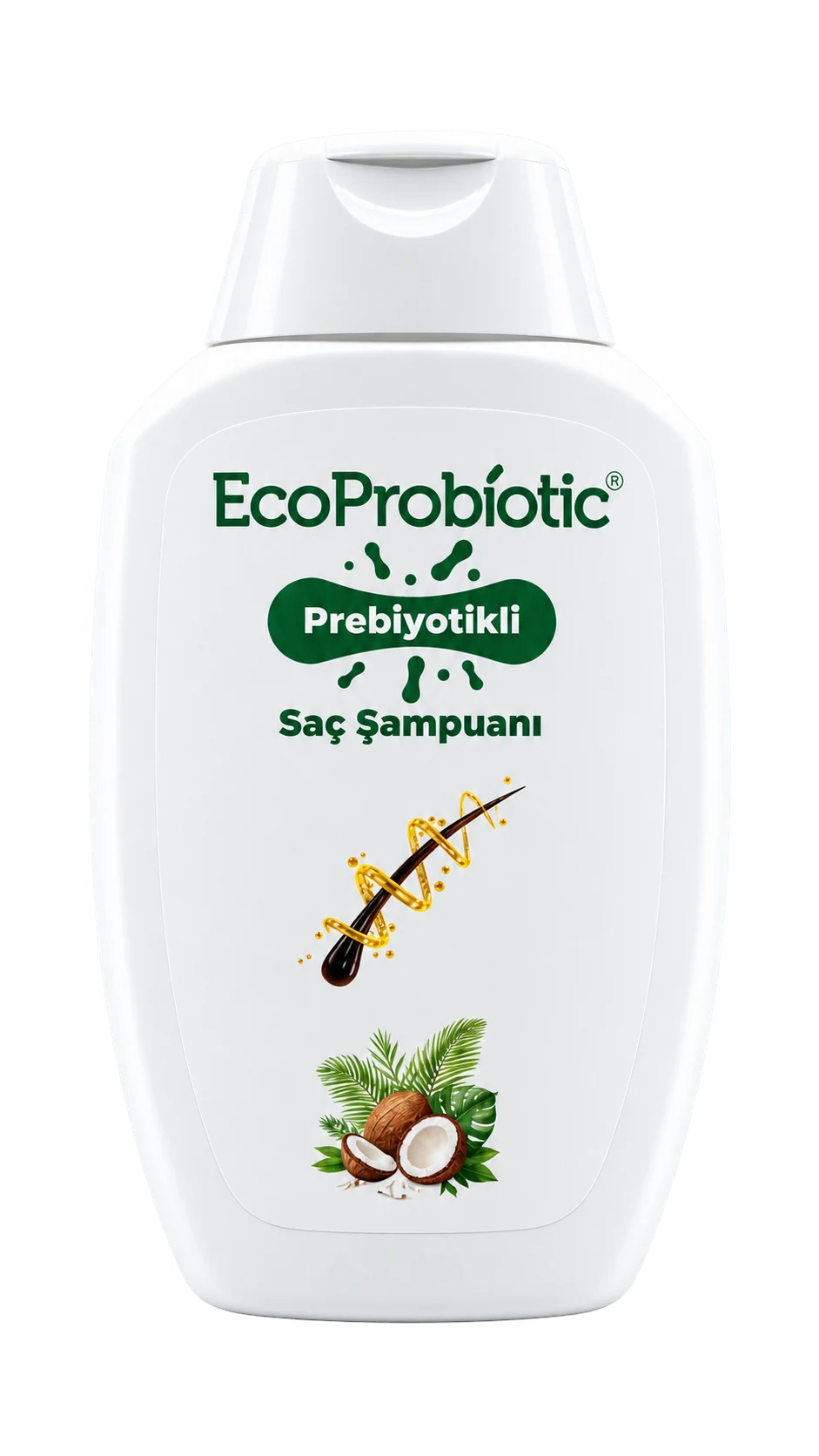
- Prebiotic ingredients: can help support microbiome balance by feeding the beneficial microorganisms on your scalp.
!Be careful with
- Heavy oils and butters: instantly flatten fine strands and speed up oiliness by building up on the scalp.
- Heavy non-water-soluble silicones: can build up and make hair look flat and stuck together.
- Strong sulfates: used very often, they can dry out and irritate the scalp.
- Heavy, rich hair masks: should be used only on the ends and for a short time.
- Hair loss products promising miracle results: they don't replace a dermatologist's evaluation when thinning is noticeable.
Caution
Common mistakes
- ✕Washing fine hair infrequently and weighing down the roots with oil and product.
- ✕Applying rich creams all the way down to the scalp.
- ✕Combing wet hair roughly or rubbing it with a towel.
- ✕Wearing a tight ponytail in the same spot every day.
- ✕Noticing thinning and waiting for months while just switching shampoos; if there's an underlying cause, early evaluation matters.
- ✕Using a flat iron at the highest heat every day.
Popular searches
Most asked about Fine and thinning hair
Your questions
Frequently asked questions
Are fine hair and thinning hair the same thing?+
No. Fine hair means individual strands are thin, and it's usually something you're born with. Thinning (low-density) hair means there are fewer strands on your scalp. The two can occur together. If your hair has noticeably decreased recently, this may be a sign of thinning.
How much hair shedding per day is normal?+
Losing about 50–100 strands a day is considered normal. If you're seeing noticeably more hair when combing and washing, your scalp has become more visible or the shedding has been going on for weeks, it's a good idea to see a dermatologist.
Why does hair thin in women?+
The most common cause is female pattern hair thinning, which develops gradually at the crown and part area. Iron deficiency, thyroid problems, the postpartum period, intense stress, rapid weight loss and some medications can also cause shedding. Pinpointing the cause requires a dermatologist's evaluation and, if needed, blood tests.
Can a haircut make fine hair look thicker?+
Yes. Shoulder-length or shorter styles with blunt-cut ends help fine hair look fuller. Very long and heavily layered cuts can make the ends look even thinner.
Does scalp care help with thinning?+
Scalp care helps keep the environment where your follicles live clean, calm and balanced. But on its own it can't stop thinning. With noticeable thinning, the approach your dermatologist recommends comes first; scalp care can be a habit that supports it.
How can I make fine hair thicker?+
Strand thickness is largely determined by genetics; no shampoo can permanently thicken your strands. However, treatments with hydrolyzed protein and panthenol can make strands feel fuller, and volumizing mousse and root drying make hair look thicker. If your hair used to be thick and has started thinning, there may be a reason behind it; a dermatologist's evaluation is important.
Why does fine hair get oily so fast?+
Because a fine strand has a small surface, oil from the scalp coats it very quickly and hair soon looks flat and stuck together. Washing as often as needed with a gentle shampoo, applying conditioner only to the ends and avoiding heavy oils and heavy silicones is the most effective solution.
What helps with thinning hair?+
First you need to find the cause: female pattern hair thinning, iron deficiency, thyroid problems, the postpartum period and intense stress are the most common ones. Treatment targeting the cause should be determined through a dermatologist's evaluation; blood tests are often part of that evaluation. At home, gentle washing, avoiding tight updos and high heat, balanced nutrition and keeping your scalp calm help protect your hair.
Which shampoo should I choose for fine hair?+
Shampoos with mild surfactants, no heavy oils or heavy silicones, designed as 'volumizing' or 'lightweight' are suitable for fine hair. A small amount of hydrolyzed protein or panthenol can give strands a fuller feel. If your scalp is oily, choose a balancing formula suitable for frequent washing.
Scientific basis
Sources
- 1.Diversity of hair growth profiles
Loussouarn G, El Rawadi C, Genain G · International Journal of Dermatology 44(s1):6-9 · 2005 · doi:10.1111/j.1365-4632.2005.02800.x
Showed through measurements that hair density, growth rate and strand diameter vary markedly across different populations.
- 2.Female pattern hair loss and its relationship to permanent/cicatricial alopecia: a new perspective
Olsen EA · Journal of Investigative Dermatology Symposium Proceedings 10(3):217-221 · 2005 · doi:10.1111/j.1087-0024.2005.10109.x
Discusses the clinical features of female pattern hair thinning and how it is distinguished from other types of hair loss.
- 3.The role of the microbiome in scalp hair follicle biology and disease
Polak-Witka K, Rudnicka L, Blume-Peytavi U, Vogt A · Experimental Dermatology 29(3):286-294 · 2020 · doi:10.1111/exd.13935
A review examining how the scalp microbiome relates to hair follicle biology, dandruff, seborrheic dermatitis and some forms of hair loss.
- 4.The impact of shampoo wash frequency on scalp and hair conditions
Punyani S, Tosti A, Hordinsky M, et al. · Skin Appendage Disorders 7(3):183-193 · 2021 · doi:10.1159/000512786
Questioned the belief that frequent washing damages hair, and reported that adjusting wash frequency to the person's scalp condition can improve scalp comfort.
- 5.Hair shaft damage from heat and drying time of hair dryer
Lee Y, Kim YD, Hyun HJ, Pi LQ, Jin X, Lee WS · Annals of Dermatology 23(4):455-462 · 2011 · doi:10.5021/ad.2011.23.4.455
Showed that using a hair dryer too close to the hair and at high heat increases cuticle damage, while drying from about 15 cm (6 inches) away with constant motion markedly reduces damage.
- 6.Shampoos: ingredients, efficacy and adverse effects
Trüeb RM · Journal der Deutschen Dermatologischen Gesellschaft 5(5):356-365 · 2007 · doi:10.1111/j.1610-0387.2007.06304.x
Examines, from a dermatological perspective, the effectiveness and possible side effects of the surfactants, conditioning ingredients and preservatives in shampoos.