Self-test
Is this type yours?
- ◎Within 24 hours of washing, your hair looks oily, stuck together and shiny at the roots.
- ◎When you touch your roots, you feel oil on your fingertips.
- ◎From time to time, you get yellowish, oily flakes or itching on your scalp.
- ◎Oiliness noticeably increases before your period, during stressful times or in hot weather.
- ◎Your face is oily too, especially on your forehead, nose and chin.
- ◎Tissue test: A day after washing, when you press a clean tissue against your scalp for a few seconds, it leaves a visible oil spot.
In depth
The science of your hair
The scalp is one of the areas of the body with the highest concentration of oil glands. The oil glands next to each hair follicle produce sebum, which protects the scalp and the strand. Sebum production is largely determined by androgen hormones and genetics; that's why oiliness can increase during puberty, at certain phases of the menstrual cycle, with hormonal conditions such as polycystic ovary syndrome (PCOS) and during stressful periods. Hot, humid weather also makes sebum spread more easily. There's no strong evidence that washing less often permanently reduces oil production; research suggests adjusting wash frequency to the person's scalp condition.
Greasy roots aren't just a cosmetic issue. The yeast naturally present on the scalp feeds on certain fatty acids in sebum; the by-products of this process can irritate the scalp in sensitive people and lead to dandruff and itching. That is why so many people whose hair gets oily quickly also have an itchy scalp. With an oily scalp, the goal isn't to strip away all the oil but to clean the scalp regularly and gently; overly harsh cleansing can leave the scalp dry and itchy. If oily, yellowish flakes and redness come along with it, a dermatologist's evaluation is needed, as it may be seborrheic dermatitis.
Priorities
What does it need?
01
Regular cleansing
An oily scalp wants to be cleaned regularly. Washing every day or every other day won't harm your scalp when done with a gentle shampoo.
02
A gentle formula
Harsh shampoos that strip away all the oil can dry out and irritate the scalp. An effective but gentle formula strikes the best balance.
03
Light lengths
Even if your scalp is oily, your lengths and ends can be dry. Applying conditioner only to the ends keeps things balanced.
04
Keeping dandruff and itching in check
When sebum increases, the scalp becomes more prone to itching and dandruff. Regular, gentle cleansing and, when needed, anti-dandruff ingredients such as zinc pyrithione help reduce this tendency.
05
Knowing your triggers
Hormonal phases, stress, hot weather and products that get onto the scalp can increase oiliness. Recognizing your own triggers makes it easier to adjust your routine.
Oily scalp
Regular cleansing
Step by step
Your hair routine
- 1
Wash as often as you need
If your scalp gets oily within a day, don't hesitate to wash every day or every other day. Research shows there's no strong evidence that frequent washing harms the scalp.
- 2
Double cleanse
If your scalp is very oily, apply shampoo twice: the first wash loosens oil and dirt, and the second one truly cleans your scalp.
- 3
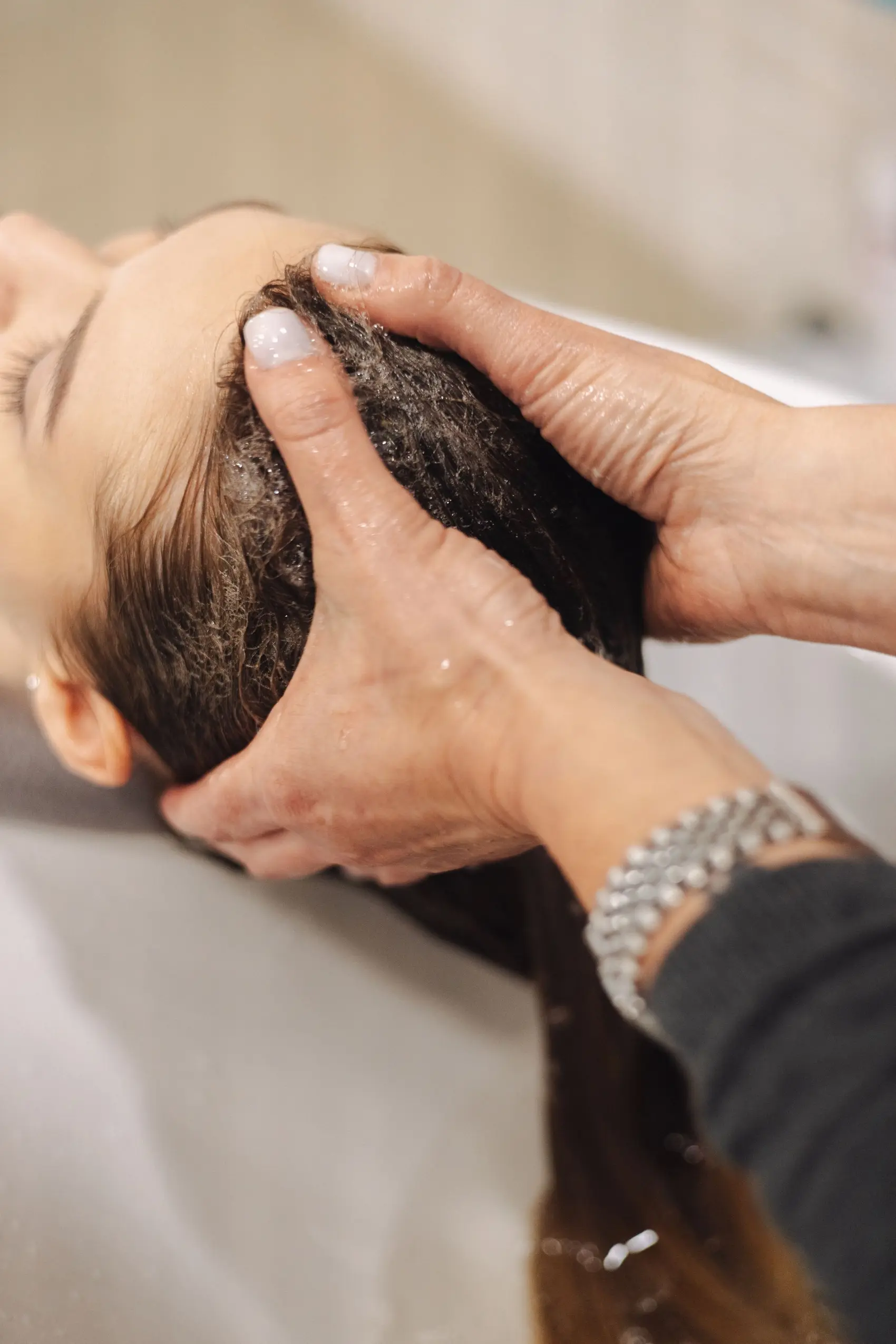
Massage with your fingertips
Apply shampoo by massaging with your fingertips, not your nails; nails irritate the scalp.
- 4
Lukewarm water and a good rinse
Very hot water can stimulate the scalp. Wash with lukewarm water and rinse the shampoo out thoroughly.
What you can add to your routine
The sebum–yeast connection
The yeast naturally present on the scalp feeds on the fatty acids in sebum. When sebum increases, this yeast can multiply more easily; some of the resulting by-products are associated with dandruff and itching in sensitive people.
The balance between bacteria and yeast
Research shows that on a healthy scalp, bacterial and yeast communities are in a certain balance, while on a scalp with dandruff this ratio is disrupted. The goal isn't to wipe out microorganisms but to maintain the balance.
Reading labels
Ingredient guide
✓What helps
- Gentle but effective surfactants (sodium cocoyl isethionate, sodium cocoyl glutamate, betaine derivatives): clean away oil without drying out the scalp.
- Salicylic acid: a mild, oil-soluble acid that helps loosen the buildup of oil and dead cells on the scalp.
- Zinc pyrithione and zinc compounds: used in anti-dandruff shampoos, they help keep the yeast naturally present on the scalp from overgrowing.
- Niacinamide: can help your scalp feel more balanced and comfortable.
- Scalp masks with clay: absorb excess oil and give a short-lived fresh feeling.
- Light humectants (panthenol, glycerin): maintain moisture balance without drying out the scalp.
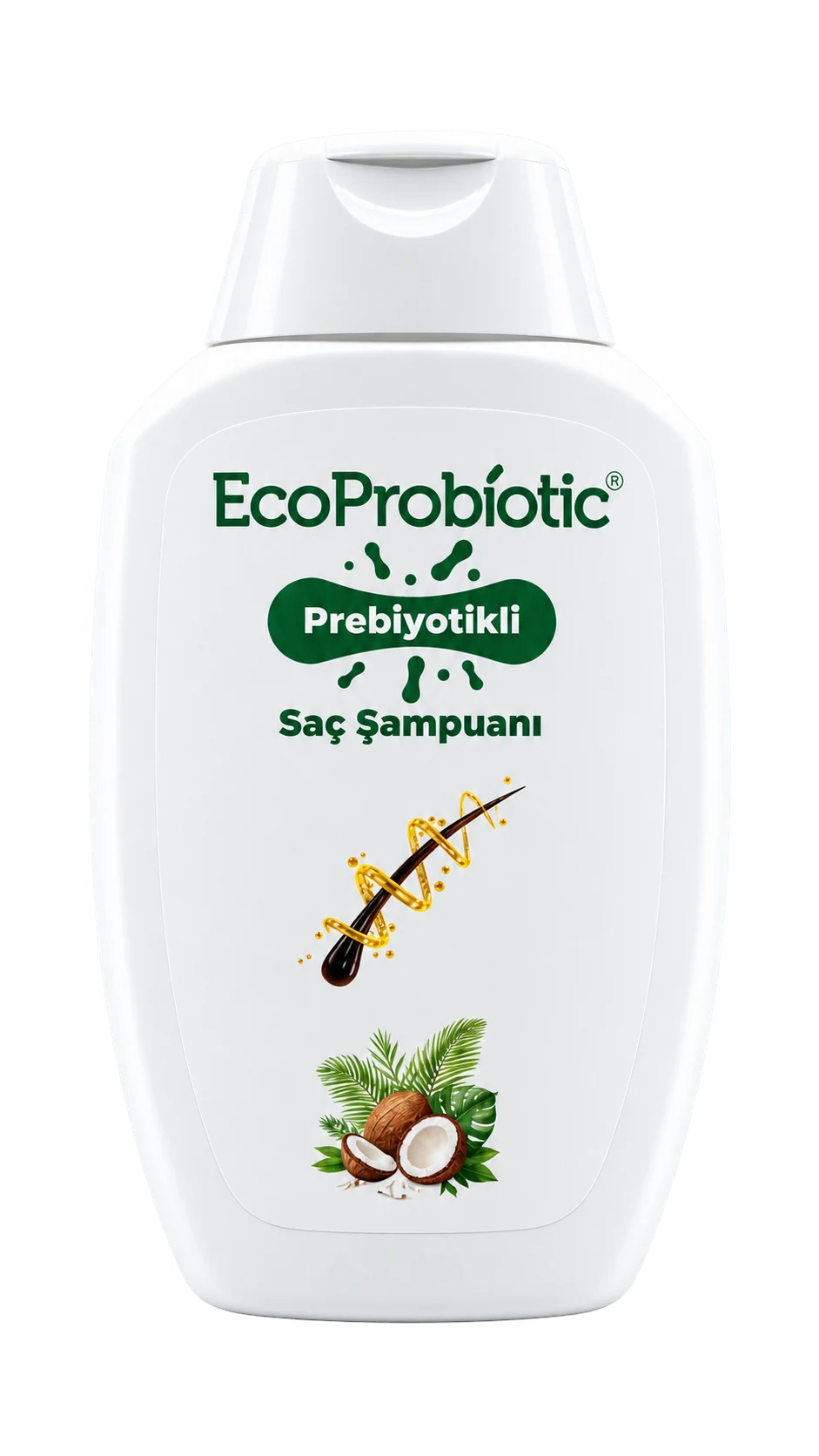
- Prebiotic ingredients: can help support scalp microbiome balance by selectively feeding beneficial microorganisms.
!Be careful with
- Using strong sulfates every day: can dry out and irritate the scalp; if you wash often, choose a gentler formula.
- Oils and butters applied to the scalp: can increase the fatty acids that the yeast naturally present on the scalp feeds on.
- Heavy silicones and waxes: build up at the roots and make hair look oilier.
- Using dry shampoo every day: can lead to a buildup of powder and oil on the scalp.
- Tonics high in alcohol and menthol: give a short-lived fresh feeling but can irritate the scalp.
Caution
Common mistakes
- ✕Deliberately washing your hair less often to reduce oiliness.
- ✕Using the strongest clarifying shampoo every day and drying out your scalp.
- ✕Applying conditioner or a mask all the way to your scalp.
- ✕Using dry shampoo in place of washing.
- ✕Giving your scalp oil massages.
- ✕Combing clean hair with a dirty brush or comb.
- ✕Not seeing a dermatologist even though oily flaking and itching have lasted for weeks.
Popular searches
Most asked about Oily scalp
Your questions
Frequently asked questions
Does washing my hair every day make it oilier?+
This is a common belief, but it isn't backed by strong evidence. Oil production is largely determined by hormones and genetics. Washing every day with a gentle shampoo is a safe way to keep an oily scalp clean and comfortable.
My scalp is oily but my lengths are dry. What should I do?+
This is very common. Apply shampoo only to your scalp and conditioner only to your lengths and ends. Choose gentle, balancing products for your scalp and lightly moisturizing products for your lengths.
Is there a link between an oily scalp and dandruff?+
Yes, there can be. Sebum is the food source for the yeast naturally present on the scalp. On an oily scalp, this yeast can multiply more easily and lead to dandruff and itching in sensitive people. If there are oily, yellowish flakes and redness, it may be seborrheic dermatitis; it's a good idea to see a dermatologist.
Why do hormones make my scalp oily?+
Oil glands are sensitive to androgen hormones. Sebum production can increase before your period, with polycystic ovary syndrome (PCOS) or with certain hormonal changes. If oiliness comes with irregular periods, acne or increased body or facial hair, it's important to see a doctor.
Does putting oil on my scalp balance oiliness?+
No. Oils applied to the scalp can increase the fatty acids that the yeast naturally present on the scalp feeds on, and can worsen the tendency toward itching and dandruff on an oily scalp. Use oils only on dry lengths and ends.
How do I get rid of greasy roots?+
It's not possible to stop oil production completely, but you can noticeably reduce the oily look. Wash every day or every other day as needed with a gentle shampoo, shampoo twice if your scalp is very oily, apply conditioner only to the ends, clean your brush and pillowcase often and don't touch your hair too much. A clarifying shampoo or a salicylic acid scalp treatment once a week can also help.
What causes greasy roots?+
Sebum production is largely determined by androgen hormones and genetics. The days before your period, polycystic ovary syndrome (PCOS), stress, hot and humid weather, heavy hair products and touching your hair often can all increase oiliness. In straight and fine hair, oil spreads down the strand faster, so hair looks oily sooner.
Can an oily scalp cause hair loss?+
An oily scalp on its own isn't considered a cause of hair loss. However, if oiliness comes with intense itching, dandruff or seborrheic dermatitis, constant scratching can wear down the strands. If you have noticeable shedding, irregular periods or more acne along with oiliness, it's important to see a doctor to check for a hormonal cause.
What shampoo is good for oily hair?+
A balancing shampoo that cleans the scalp without drying it, contains gentle but effective surfactants and is suitable for frequent use is a good place to start. If you also have itching and flaking, shampoos with zinc pyrithione or salicylic acid are worth considering. Using the strongest clarifying shampoo every day, on the other hand, can dry out and irritate your scalp.
Scientific basis
Sources
- 1.The impact of shampoo wash frequency on scalp and hair conditions
Punyani S, Tosti A, Hordinsky M, et al. · Skin Appendage Disorders 7(3):183-193 · 2021 · doi:10.1159/000512786
Questioned the belief that frequent washing damages hair, and reported that adjusting wash frequency to the person's scalp condition can improve scalp comfort.
- 2.Dandruff is associated with disequilibrium in the proportion of the major bacterial and fungal populations colonizing the scalp
Clavaud C, Jourdain R, Bar-Hen A, et al. · PLoS ONE 8(3):e58203 · 2013 · doi:10.1371/journal.pone.0058203
Showed that on a scalp with dandruff, the ratio between bacterial and yeast communities is disrupted compared with a healthy scalp, meaning dandruff is linked to a loss of balance.
- 3.Stratum corneum dysfunction in dandruff
Turner GA, Hoptroff M, Harding CR · International Journal of Cosmetic Science 34(4):298-306 · 2012 · doi:10.1111/j.1468-2494.2012.00723.x
Showed that on a scalp with dandruff the outermost protective layer (the barrier) is impaired, water loss increases and the lipid structure changes.
- 4.Seborrheic dermatitis and dandruff: a comprehensive review
Borda LJ, Wikramanayake TC · Journal of Clinical and Investigative Dermatology 3(2) · 2015 · doi:10.13188/2373-1044.1000019
Explains that dandruff and seborrheic dermatitis are the mild and more pronounced ends of the same spectrum, and that sebum, the yeast naturally present on the scalp and individual sensitivity all play a role together.
- 5.Comparison of healthy and dandruff scalp microbiome reveals the role of commensals in scalp health
Saxena R, Mittal P, Clavaud C, et al. · Frontiers in Cellular and Infection Microbiology 8:346 · 2018 · doi:10.3389/fcimb.2018.00346
Compared the microbiome of healthy and dandruff-affected scalps and reported that the beneficial resident bacteria on a healthy scalp are associated with barrier and sebum balance.
- 6.The diversity and abundance of fungi and bacteria on the healthy and dandruff affected human scalp
Grimshaw SG, Smith AM, Arnold DS, et al. · PLOS ONE 14(12):e0225796 · 2019 · doi:10.1371/journal.pone.0225796
Compared the diversity and amount of yeast and bacterial communities on healthy and dandruff-affected scalps and showed that the balance shifts on the dandruff side.
- 7.Shampoos: ingredients, efficacy and adverse effects
Trüeb RM · Journal der Deutschen Dermatologischen Gesellschaft 5(5):356-365 · 2007 · doi:10.1111/j.1610-0387.2007.06304.x
Examines, from a dermatological perspective, the effectiveness and possible side effects of the surfactants, conditioning ingredients and preservatives in shampoos.