Definition
What is Perioral dermatitis?
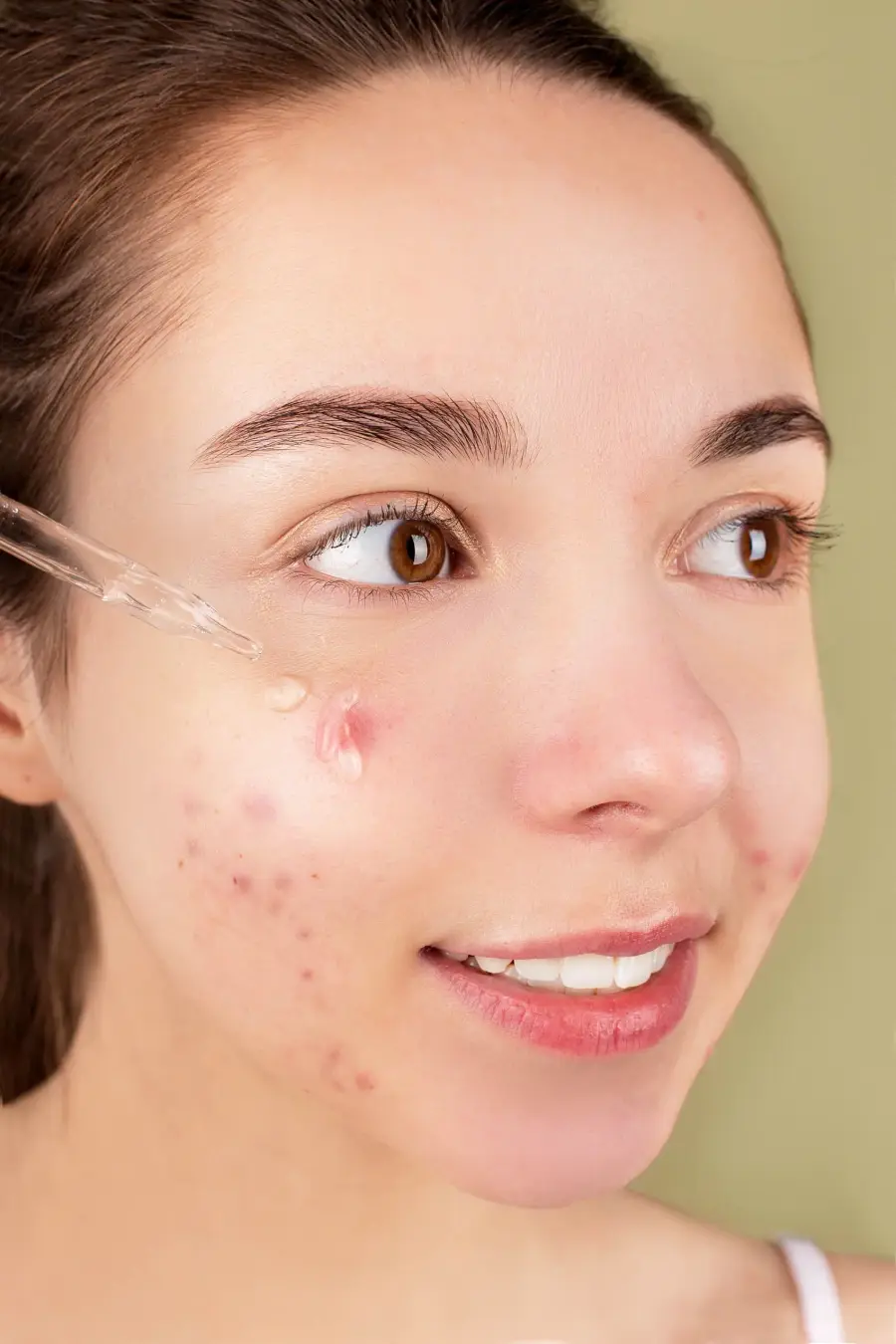
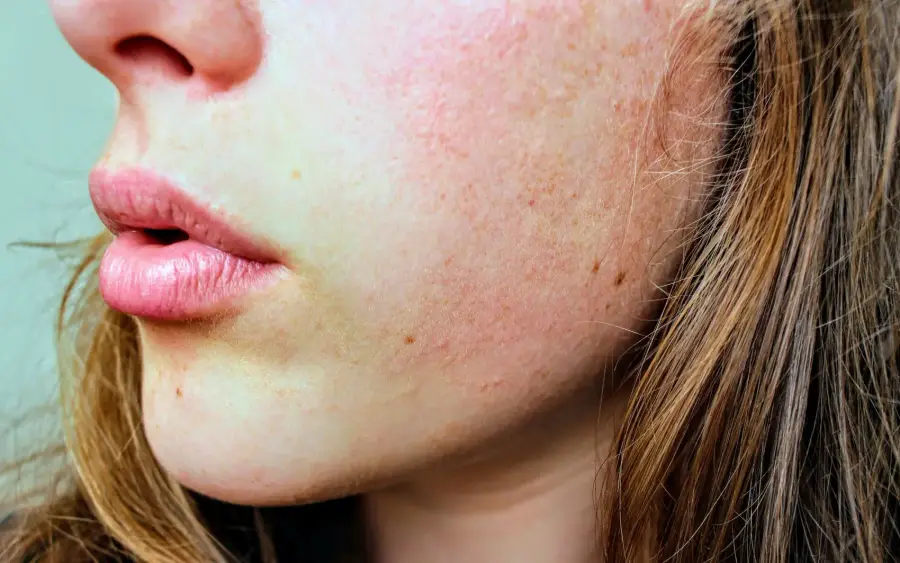
Perioral dermatitis is a facial inflammation marked by small, red, sometimes inflamed bumps around the mouth, along the smile lines and on the chin, which is why many people mistake it for 'pimples around the mouth.' When the sides of the nose and the area around the eyes are also affected, it's called 'periorificial dermatitis.' A typical clue is a thin strip right next to the lip line that stays clear. There may be mild flaking, dryness, burning and a tight feeling around the bumps.
The best-proven cause of perioral dermatitis is cortisone creams applied to the face. Cortisone helps for a short time, but when it's stopped the rash usually flares, which pushes people back to cortisone and creates a vicious cycle. Cortisone nasal sprays and inhaled medications can also be triggers for some people. Heavy moisturizers, multi-layered skincare routines, heavy makeup and fluoride toothpastes are also frequently blamed.
Research shows that the barrier is clearly disrupted in skin with perioral dermatitis, and that water loss through the skin is even higher than in skin with rosacea or healthy skin. That's why the solution for perioral dermatitis is usually not 'more products' but 'fewer, better-chosen products.' With the right treatment and a minimal skincare routine, it usually calms down within weeks to a few months.
Check yourself
How do you recognise it?
- ✓Small red bumps around the mouth, along the smile lines and on the chin
- ✓A thin strip right next to the lip line that stays clear
- ✓Small pus spots on some of the bumps
- ✓Mild flaking and dryness around the bumps
- ✓A burning, stinging or tight feeling (itching is usually mild)
- ✓Similar bumps around the sides of the nose and the eyes
- ✓A clear flare-up when a cortisone cream is stopped
- ✓Sudden sensitivity to many skincare products
Why it happens
Main causes
01
Cortisone creams applied to the face
This is the cause with the strongest evidence. Cortisone suppresses redness at first, but when it's stopped the rash rebounds and gets worse.
02
Inhaled or nasal cortisone
Cortisone nasal sprays and inhaled medications can be triggers for some people by coming into contact with the area around the mouth and nose. Talk to your doctor instead of stopping these medications on your own.
03
Heavy, multi-layered skincare products
Using thick moisturizers, oily creams and heavy makeup products together is frequently reported as a trigger.
04
Barrier dysfunction and atopic predisposition
Perioral dermatitis can develop more easily in people with an inherently sensitive barrier.
05
Hormonal factors
The fact that it's more common in women and changes with the menstrual cycle in some women suggests hormonal effects may also play a role.
06
Other possible factors
Fluoride toothpastes, certain cosmetic ingredients and microbial factors have been blamed; however, the evidence for these is weaker than for cortisone.
In daily life
Triggers that cause flare-ups
Medical approach
Treatment options
01
The 'zero therapy' principle
The first step is to stop all cortisone creams on the face and any unnecessary cosmetic products. When cortisone is stopped, there may be a temporary flare-up for a few weeks; it's important to know this is expected and not to go back to cortisone. If you've used cortisone for a long time, make a plan for stopping it with your dermatologist.
02
Topical antibiotics and anti-inflammatories
As with rosacea, topical metronidazole and azelaic acid are among the main creams used for perioral dermatitis after your dermatologist's assessment. Topical erythromycin or clindamycin are also options.
03
Topical calcineurin inhibitors
These cortisone-free creams can be used after your dermatologist's assessment, especially to calm the flare-up that follows stopping cortisone.
04
Oral antibiotics
For widespread or stubborn cases, tetracycline-class antibiotics may be used for several weeks under your dermatologist's supervision to reduce inflammation. Different options are considered during pregnancy.
05
Other options
A systematic review notes that options such as adapalene gel and, in very resistant cases, oral isotretinoin also need to be studied. However, most studies on treating perioral dermatitis have limited levels of evidence.
Did you know? · Perioral dermatitis
Ages 20–45 · Perioral dermatitis is most common in women in this age range, especially those with fair skin.
Step by step
Care routine for Perioral dermatitis
- 1
Just lukewarm water or a very gentle cleanser
Use a soap-free, fragrance-free, pH-balanced cleanser if needed; most mornings, lukewarm water is enough.
- 2
Treatment cream
Apply the cream your dermatologist recommended in a thin layer, as often as directed.
- 3
A single lightweight moisturizer
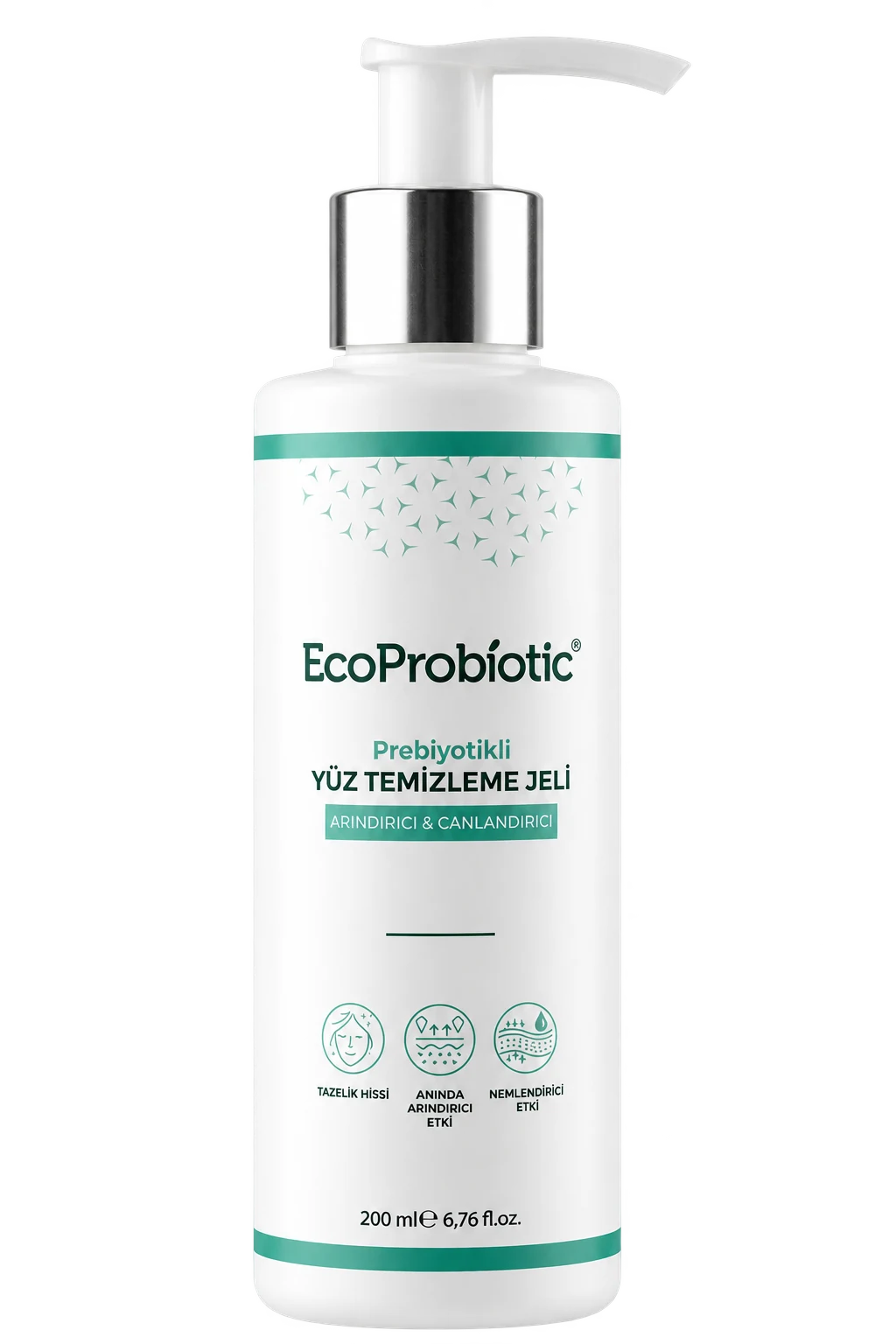
If needed, use just one lightweight, fragrance-free moisturizer with prebiotics. Put aside layers of serums, oils and creams for now.
- 4
Mineral sunscreen
Use a lightweight, fragrance-free sunscreen with mineral filters.
Caution
What to avoid, and when to see a doctor?
Avoid these
- ✕Applying cortisone cream to your face, including mild over-the-counter ones
- ✕Thick, oily, occlusive creams and facial oils
- ✕Multi-step skincare routines and frequently switching products
- ✕Using peels, acid toners and retinoids on your own
- ✕Heavy foundation and concealers
- ✕Fragranced facial products
- ✕Squeezing or picking at the bumps
- ✕Going back to cortisone during the temporary flare-up after stopping it
See a dermatologist
- →If the bumps around your mouth and nose haven't gone away for 2–3 weeks
- →If you've used a cortisone cream on your face and plan to stop
- →If you use a cortisone nasal spray or inhaler and have similar rashes on your face (don't stop the medication on your own)
- →If the rash has spread to the area around your eyes
- →If you're pregnant or breastfeeding and want to learn about treatment options
- →If there's no improvement after a few months despite treatment
Common misconceptions
Myth or fact?
Myth
Redness around the mouth comes from dryness, so you need a richer cream.
Fact
In perioral dermatitis, heavy creams often make things worse. Using 'fewer and lighter' products during this time is much more effective.
Myth
A mild cortisone cream is safe and clears redness right away.
Fact
Cortisone can temporarily suppress redness, but it's the best-proven cause of perioral dermatitis. When it's stopped, the rash usually rebounds.
Myth
Perioral dermatitis is acne and clears up with acne products.
Fact
Perioral dermatitis is different from acne; there are no blackheads. Harsh, drying acne products can damage the barrier further and make it worse.
Popular searches
Most asked about Perioral dermatitis
Your questions
Frequently asked questions
How long does perioral dermatitis take to go away?+
With the right treatment and a minimal skincare routine, clear improvement is usually seen within a few weeks to a few months. If you've stopped cortisone, there may be a temporary flare-up in the first weeks.
Can I wear makeup?+
Keeping makeup to a minimum during treatment speeds up healing. If you need to, choose lightweight, mineral-based, fragrance-free products and remove them gently at the end of the day.
Can my toothpaste really make a difference?+
In some people, toothpastes with fluoride or foaming agents are thought to be triggers. Although the evidence isn't strong, trying a different toothpaste for a while, if your dermatologist recommends it, is a harmless step.
Does perioral dermatitis come back?+
It can come back if triggers return, especially if cortisone is applied to the face again or you go back to heavy creams. A minimal, barrier-friendly routine helps reduce the chance of it coming back.
Can I use a probiotic moisturizer?+
Yes, as long as it's lightweight, fragrance-free and has a short ingredient list. Probiotic and prebiotic ingredients may help support the barrier and microbiome balance; but stick to a single moisturizer during this time and don't skip your treatment cream.
Why do I get pimples around my mouth?+
Small red bumps around the mouth are often perioral dermatitis rather than acne. The most common causes are cortisone creams applied to the face, heavy moisturizers and multi-layered skincare routines; in some people, cortisone nasal sprays and fluoride toothpastes may also play a role.
Can perioral dermatitis go away naturally?+
In mild cases, stopping all cortisone creams on the face and unnecessary cosmetics (zero therapy) can bring clear improvement on its own. On the other hand, home remedies like vinegar and essential oils irritate the skin; if there's no improvement within a few weeks, you'll need the creams your dermatologist recommends.
Which cream helps perioral dermatitis?+
After your dermatologist's assessment, topical metronidazole, azelaic acid, erythromycin or cortisone-free calcineurin inhibitors may be used. Although cortisone creams bring short-term relief, they shouldn't be used for perioral dermatitis because they make it worse.
Scientific basis
Sources
- 1.Periorificial dermatitis (Perioral Dermatitis)
Shah N (DermNet) · DermNet · 2022
Notes that periorificial dermatitis is slightly more common in fair-skinned women and usually affects young and middle-aged women between 20 and 45.
- 2.Perioral dermatitis: Diagnosis, proposed etiologies, and management
Searle T, Ali FR, Al-Niaimi F · Journal of Cosmetic Dermatology · 2021 · doi:10.1111/jocd.14060
A systematic review found that misuse of topical corticosteroids is the best-proven cause of perioral dermatitis, and noted that options such as tetracyclines, metronidazole and azelaic acid need further research.
- 3.Perioral dermatitis
Lipozencic J, Ljubojevic S · Clinics in Dermatology · 2011 · doi:10.1016/j.clindermatol.2010.09.007
Summarized the clinical appearance and differential diagnosis of perioral dermatitis and treatment options including metronidazole, azelaic acid and tetracycline-class antibiotics.
- 4.Epithelial barrier function and atopic diathesis in rosacea and perioral dermatitis
Dirschka T, Tronnier H, Fölster-Holst R · British Journal of Dermatology · 2004 · doi:10.1111/j.1365-2133.2004.05985.x
Showed that water loss through the skin is significantly higher in perioral dermatitis than in rosacea and healthy groups and that signs of atopic predisposition are more frequent, defining the condition as a barrier disorder.
- 5.Critical appraisal of reports on the treatment of perioral dermatitis
Weber K, Thurmayr R · Dermatology · 2005 · doi:10.1159/000084754
Evaluated 30 publications on the treatment of perioral dermatitis and found that only two studies were of moderate quality, while the rest were of low quality.
- 6.Natural skin surface pH is on average below 5, which is beneficial for its resident flora
Lambers H, Piessens S, Bloem A, Pronk H, Finkel P · International Journal of Cosmetic Science · 2006 · doi:10.1111/j.1467-2494.2006.00344.x
Showed that the skin's natural surface pH averages 4.7, that skin with a pH below 5 is in better condition in terms of barrier and hydration, and that acidic pH helps beneficial bacteria adhere to the skin.
- 7.The role of topical probiotics in skin conditions: A systematic review of animal and human studies and implications for future therapies
Knackstedt R, Knackstedt T, Gatherwright J · Experimental Dermatology · 2020 · doi:10.1111/exd.14032
Reviewed topical probiotic studies and drew attention to skin conditions in which an imbalance has been described but probiotics have not yet been studied.
- 8.The human skin microbiome
Byrd AL, Belkaid Y, Segre JA · Nature Reviews Microbiology · 2018 · doi:10.1038/nrmicro.2017.157
Comprehensively summarized the structure of the skin microbiome in health and disease, the relationships between microorganisms and their interaction with the immune system.