Definition
What is Sensitive skin?
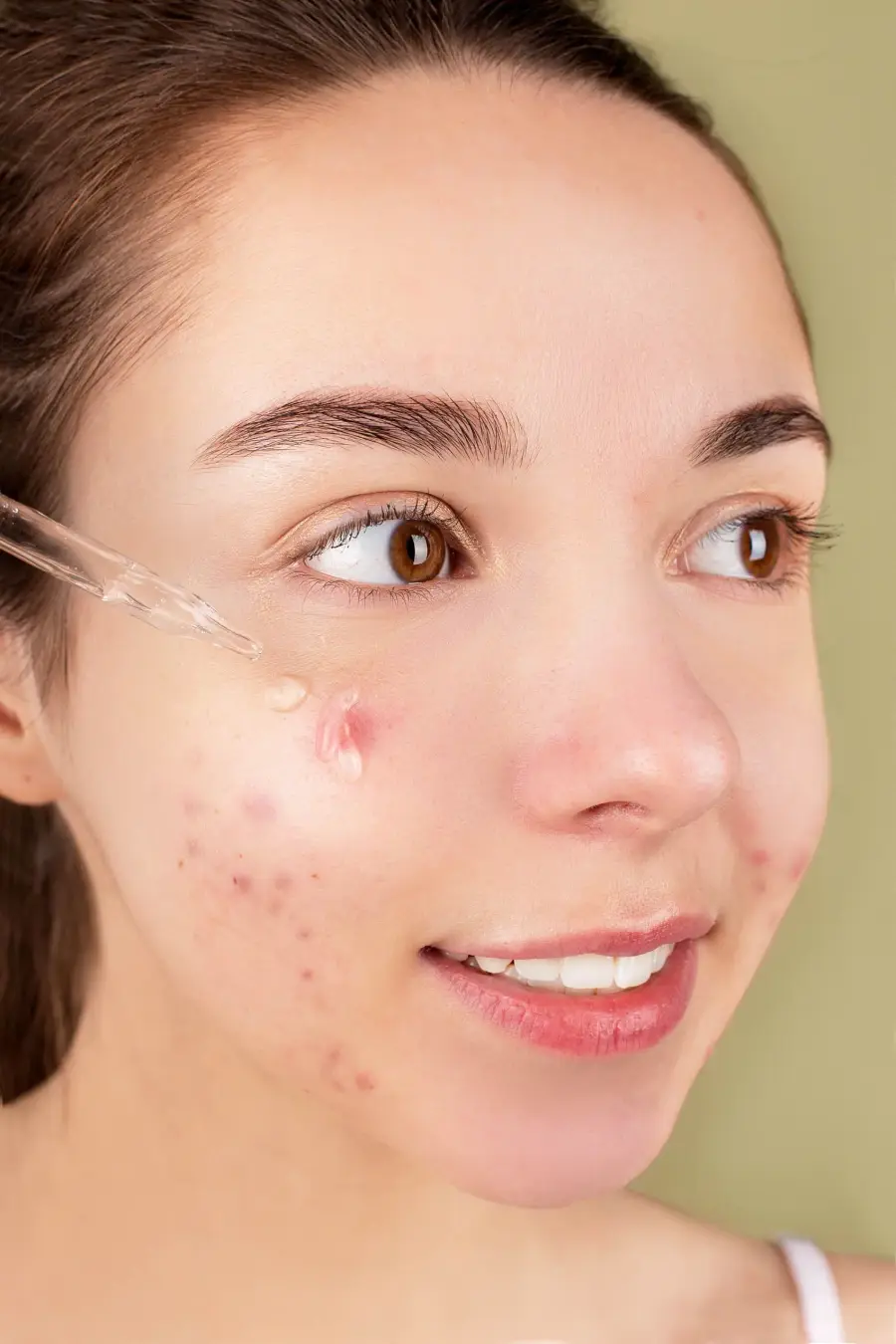
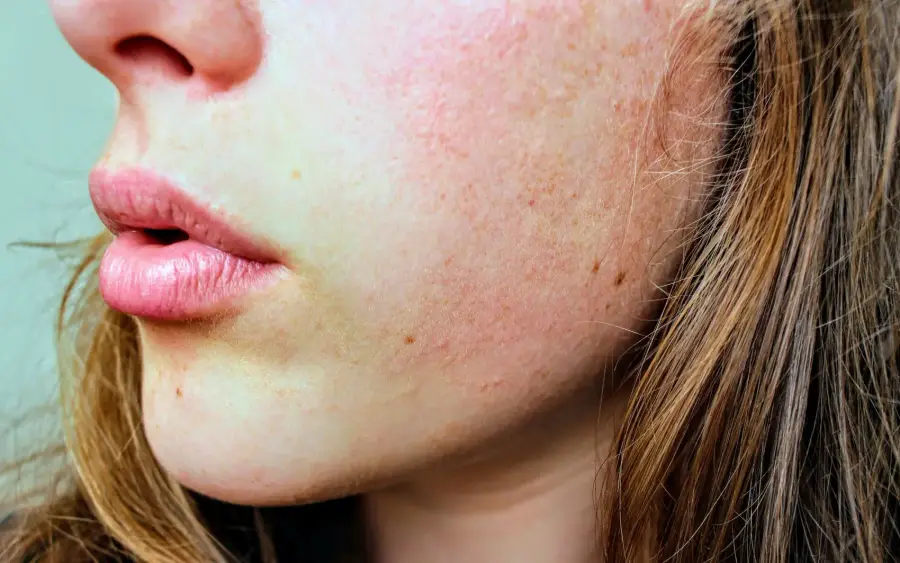
According to the definition of an international expert group, sensitive skin is a syndrome in which unpleasant sensations such as stinging, burning, pain, itching and tingling occur in response to stimuli that normally shouldn't cause discomfort. These sensations can't be explained by lesions from any skin disease. The skin may look normal, or there may be mild redness. It most often affects the face, but it can occur anywhere on the body.
Sensitive skin isn't a 'skin type' but a condition: dry, oily or combination skin can all be sensitive. Three elements play a role together at the root of the problem: a weakened barrier, easily triggered nerve endings in the skin and blood vessels that react quickly. When the barrier weakens, ingredients in products reach deeper into the skin more easily, stimulate nerve endings and cause stinging and burning.
Sensitive skin sometimes appears on its own and sometimes as a symptom of conditions such as rosacea, atopic dermatitis or seborrheic dermatitis. That's why the first step is to find out whether there's another underlying disease. After that, with a sensitive-skin routine that uses few products, is fragrance-free and repairs the skin's protective layer, your skin's reactivity can decrease noticeably over time.
Check yourself
How do you recognise it?
- ✓Stinging or burning that starts within seconds or minutes of applying a product
- ✓A feeling of tightness and dryness, especially after washing your face
- ✓Tingling, itching or a warm sensation
- ✓Redness that comes on easily with wind, cold, heat or sun
- ✓Low tolerance to many cosmetic products
- ✓Discomfort you can feel even when nothing is visible
- ✓Reactions that get worse after washing with hard water
- ✓Sensitivity that becomes more noticeable with stress and fatigue
Why it happens
Main causes
01
A weak barrier
Deficiencies in the lipid layer and increased water loss let outside stimuli reach deeper into the skin more easily.
02
Nerve hypersensitivity
Easily triggered nerve endings and related channels in the skin are the main cause of stinging and burning.
03
Underlying skin conditions
Conditions such as rosacea, atopic dermatitis, seborrheic dermatitis and psoriasis can occur together with sensitive skin symptoms.
04
The wrong skincare, or too much of it
Frequent exfoliation, using many active ingredients together and harsh cleansers can wear down the barrier and start or worsen sensitivity.
05
Hormonal and lifestyle factors
The menstrual cycle, menopause, stress and lack of sleep can change your skin's reactivity.
06
Environmental factors
Cold, wind, dry air from central heating radiators, sun and air pollution can increase sensitivity.
In daily life
Triggers that cause flare-ups
Medical approach
Treatment options
01
Checking for an underlying condition
Your dermatologist first rules out conditions such as rosacea, atopic dermatitis, seborrheic dermatitis or contact dermatitis. If there's an underlying condition like this, treatment is planned around it.
02
Contact allergy testing
If you have recurring reactions to certain products, a patch test may be done on your dermatologist's recommendation to find out whether there's an allergic reaction.
03
Barrier-repairing care
Since there's no specific treatment protocol for sensitive skin, experts recommend personalized, simplified skincare focused on barrier repair.
04
Medical options for redness and stinging
If symptoms are pronounced, treatments targeting redness or nerve hypersensitivity may be considered after your dermatologist's assessment. If blood vessels are visible, light-based treatments may be among the options.
05
Lifestyle adjustments
Reducing stress, getting regular sleep and recognizing your triggers play an important role in reducing your skin's reactivity.
Did you know? · Sensitive skin
45% · About 45% of women report having sensitive skin; being female stands out as a risk factor for sensitive skin.
Step by step
Care routine for Sensitive skin
- 1
Just lukewarm water
For sensitive skin, rinsing with lukewarm water is often enough in the morning. If your water is very hard, you can try doing the final rinse with filtered water.
- 2
Soothing moisturizer
Use a fragrance-free, alcohol-free soothing moisturizer with ceramides, glycerin and prebiotics.
- 3
Mineral sunscreen
A fragrance-free sunscreen with zinc oxide or titanium dioxide is usually better tolerated by sensitive skin.
- 4
Physical protection
Protect your face with a scarf in cold, windy weather and with a wide-brimmed hat in sunny weather.
Care you can use in your routine
EcoProbiotic care range ↗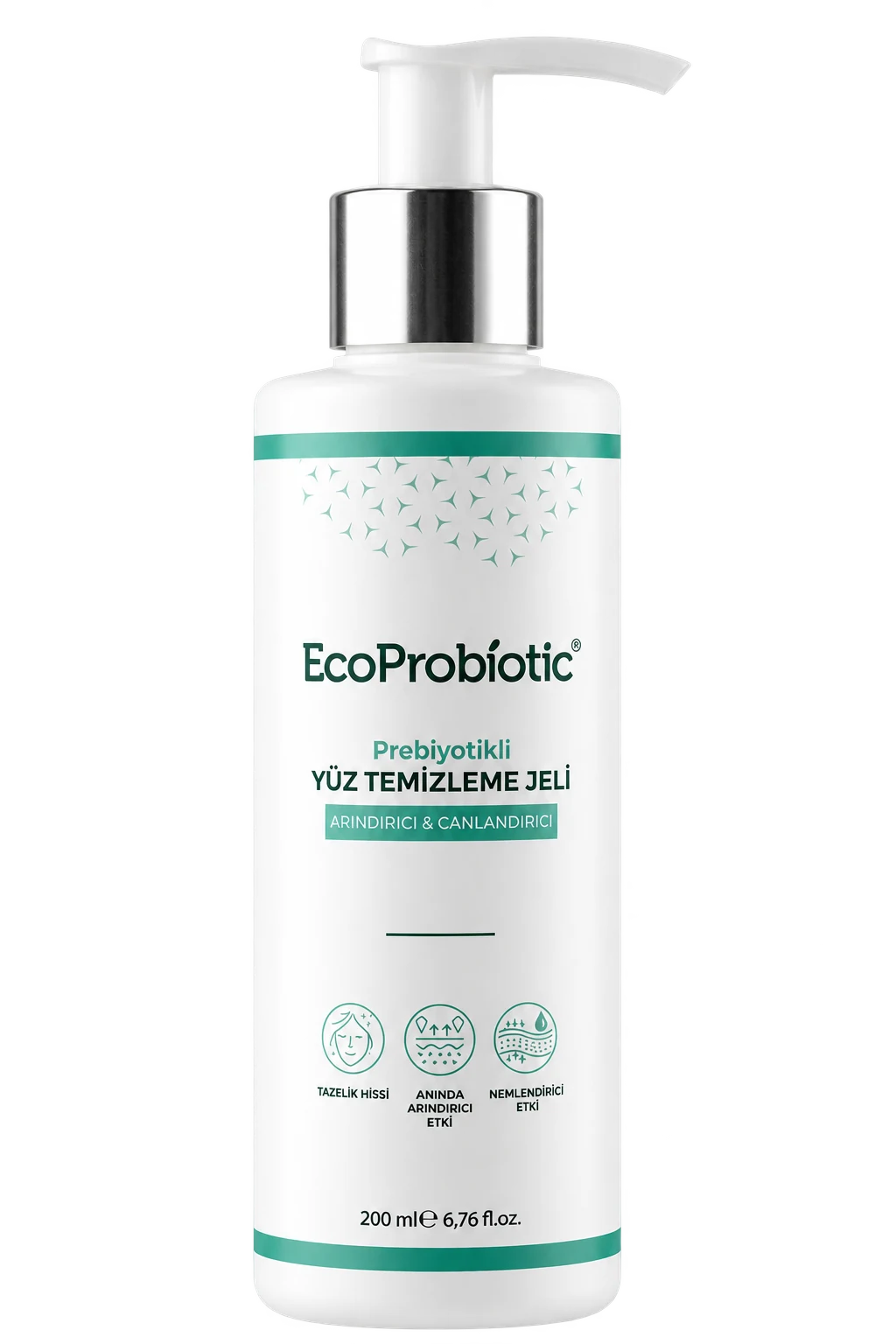 CleansingPrebiotic Face Cleansing GelRemoves make-up and the day’s grime with a gentle foam, supporting the skin barrier as it cleanses. Morning and evening.View ↗
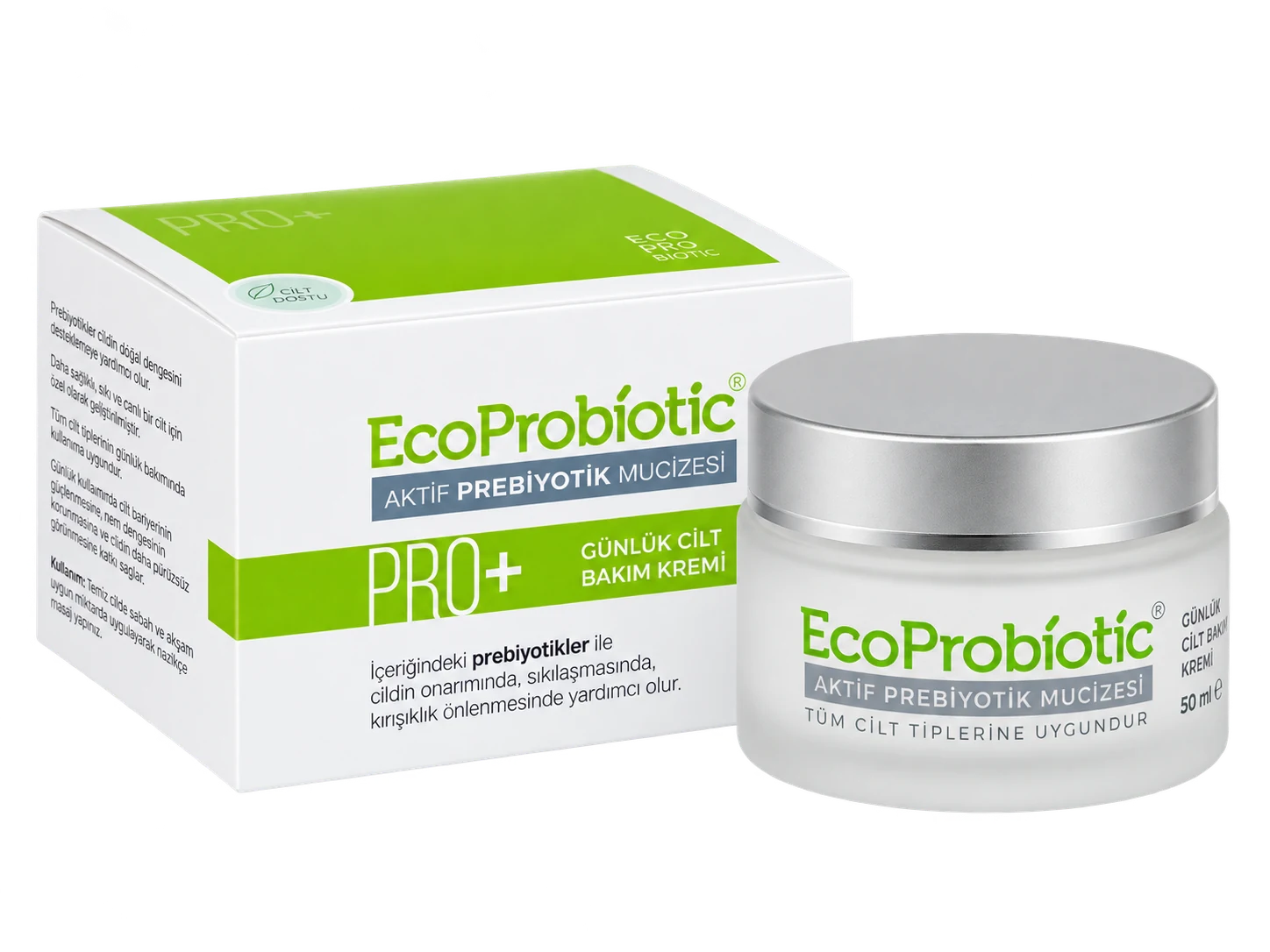 MoisturisingPrebiotic Skin CreamMoisturises the skin and helps repair the barrier. Available in three formulas: for all, dry and oily skin.View ↗
Caution
What to avoid, and when to see a doctor?
Avoid these
- ✕Perfumed products, essential oils and products with fragrance
- ✕Alcohol-based toners and 'refreshing' menthol products
- ✕Gritty scrubs, cleansing brushes and exfoliating mitts
- ✕Using more than one active ingredient in the same routine
- ✕Switching products often
- ✕Washing your face with very hot or very cold water
- ✕Using soap on your face
- ✕Products with very long ingredient lists
See a dermatologist
- →If burning, stinging or itching is bad enough to affect your daily life
- →If persistent redness, bumps or flaking come with it
- →If you have recurring reactions to certain products (an allergy test may be needed)
- →If there's no improvement within a few weeks despite a simplified routine
- →If the sensitivity started suddenly and you're taking a new medication
Common misconceptions
Myth or fact?
Myth
Sensitive skin is a skin type and doesn't change.
Fact
Sensitive skin is a condition and can occur in dry, oily or combination skin. With care that repairs the barrier and avoids triggers, reactivity can decrease over time.
Myth
Products labeled 'natural' are always suitable for sensitive skin.
Fact
Essential oils and some natural extracts are common causes of irritation and allergy in sensitive skin. What matters is that a product is fragrance-free, has a short ingredient list and has been tested on sensitive skin.
Myth
A stinging feeling means the product is working.
Fact
Stinging and burning are signs that the skin is irritated. In sensitive skin, this feeling shows that the product isn't right for you at the moment.
Popular searches
Most asked about Sensitive skin
Your questions
Frequently asked questions
How do I know if I have sensitive skin?+
If many products make your skin sting or burn, you flush easily in wind and cold and your skin feels tight after washing, and there's no visible disease on your skin, you may have sensitive skin. A dermatologist assesses whether there's another underlying condition.
Are sensitive skin and allergy the same thing?+
No. An allergy is the immune system's specific reaction to a particular substance and can be identified with a patch test. Sensitive skin is a general sensitivity to many different stimuli.
Can I use retinol or acids on sensitive skin?+
Once your barrier is stronger, you can try them by starting with low-strength products a few times a week and talking to your dermatologist. If stinging and redness occur, take a break.
Why is it more common in women?+
Meta-analyses show that women are more likely than men to report sensitive skin. Hormonal effects, differences in skin thickness and using more cosmetic products are among the possible explanations.
Do probiotic products irritate sensitive skin?+
Products with probiotic lysates and prebiotics are usually developed to soothe sensitive skin; however, like any product, they can cause a reaction depending on their other ingredients. Choose fragrance-free formulas and try them on a small area first.
My skin burns when I apply a cream. What should I do?+
Gently wash the product off right away with lukewarm water, don't rub the area and don't use any other active ingredients that day; a plain, fragrance-free moisturizer is enough. If the burning doesn't go away within a few days, or if redness, swelling or blisters develop, see a dermatologist since it may be an allergic reaction.
What kind of moisturizer should I choose for sensitive skin?+
Fragrance-free, alcohol-free formulas with short ingredient lists and ingredients that support the protective layer, such as ceramides and glycerin, are the best tolerated. Try a new moisturizer behind your ear or along your jawline for a few days before using it on your face.
Which sunscreen is best for sensitive skin?+
Fragrance-free, broad-spectrum sunscreens with mineral filters such as zinc oxide or titanium dioxide usually sting less on sensitive skin. Using sunscreen every day also reduces sun-triggered redness.
How do you calm redness on sensitive skin?+
First, drop triggers such as hot water, fragrance, alcohol and exfoliation, and cut your routine down to 2–3 products. If the redness is persistent or comes with bumps, a dermatologist's assessment is important since it could be a condition like rosacea.
Scientific basis
Sources
- 1.The prevalence of self-declared sensitive skin: a systematic review and meta-analysis
Chen W, Dai R, Li L · Journal of the European Academy of Dermatology and Venereology · 2020 · doi:10.1111/jdv.16166
A meta-analysis covering 51,783 people from 18 countries found that sensitive skin affects 45% of women and 33% of men, and that being female is a risk factor.
- 2.Definition of Sensitive Skin: An Expert Position Paper from the Special Interest Group on Sensitive Skin of the International Forum for the Study of Itch
Misery L, Ständer S, Szepietowski JC, ve ark. · Acta Dermato-Venereologica · 2017 · doi:10.2340/00015555-2397
Defined sensitive skin as a syndrome marked by stinging, burning, pain, itching and tingling in response to stimuli that normally shouldn't cause discomfort, which can't be explained by a skin disease.
- 3.Sensitive skin
Misery L, Loser K, Ständer S · Journal of the European Academy of Dermatology and Venereology · 2016 · doi:10.1111/jdv.13532
Summarized that nerve endings and temperature-sensitive channels, barrier disruption and immune mechanisms may play a role in sensitive skin.
- 4.The Prevalence of Sensitive Skin
Farage MA · Frontiers in Medicine · 2019 · doi:10.3389/fmed.2019.00098
By reviewing surveys worldwide, showed that about 60–70% of women and 50–60% of men report some degree of sensitive skin.
- 5.What Is Sensitive Skin? A Systematic Literature Review of Objective Measurements
Richters R, Falcone D, Uzunbajakava N, ve ark. · Skin Pharmacology and Physiology · 2015 · doi:10.1159/000363149
A systematic review of objective measurements showed that the findings most often associated with sensitive skin are impaired barrier function and increased vascular reactivity.
- 6.Sensitive Skin Syndrome: An Update
Do LHD, Azizi N, Maibach H · American Journal of Clinical Dermatology · 2020 · doi:10.1007/s40257-019-00499-7
Updated the differential diagnosis and approaches, emphasizing that there's no specific treatment protocol for sensitive skin and that personalized skincare is recommended.
- 7.Structures of the Skin Microbiome and Mycobiome Depending on Skin Sensitivity
Keum HL, Kim H, Kim HJ, ve ark. · Microorganisms · 2020 · doi:10.3390/microorganisms8071032
Showed in 42 women that the bacterial and fungal communities of sensitive and non-sensitive cheek skin differ, and that this structure varies with the perceived level of sensitivity.
- 8.Microbiota and maintenance of skin barrier function
Harris-Tryon TA, Grice EA · Science · 2022 · doi:10.1126/science.abo0693
Summarized that the microbiota living on the skin is a fundamental part of barrier function, protecting against harmful microbes, balancing the immune response and strengthening the epithelium.
- 9.Impact of prebiotics and probiotics on skin health
Al-Ghazzewi FH, Tester RF · Beneficial Microbes · 2014 · doi:10.3920/BM2013.0040
Reviewed evidence that prebiotics and probiotics may have the capacity to improve, maintain and rebalance the skin microbiota, and that topical applications may support the skin's natural defenses.
- 10.Natural skin surface pH is on average below 5, which is beneficial for its resident flora
Lambers H, Piessens S, Bloem A, Pronk H, Finkel P · International Journal of Cosmetic Science · 2006 · doi:10.1111/j.1467-2494.2006.00344.x
Showed that soap and even tap water can raise skin pH for hours, and that skin with a pH below 5 is in better condition in terms of barrier and hydration.