Definition
What is Keratosis pilaris?
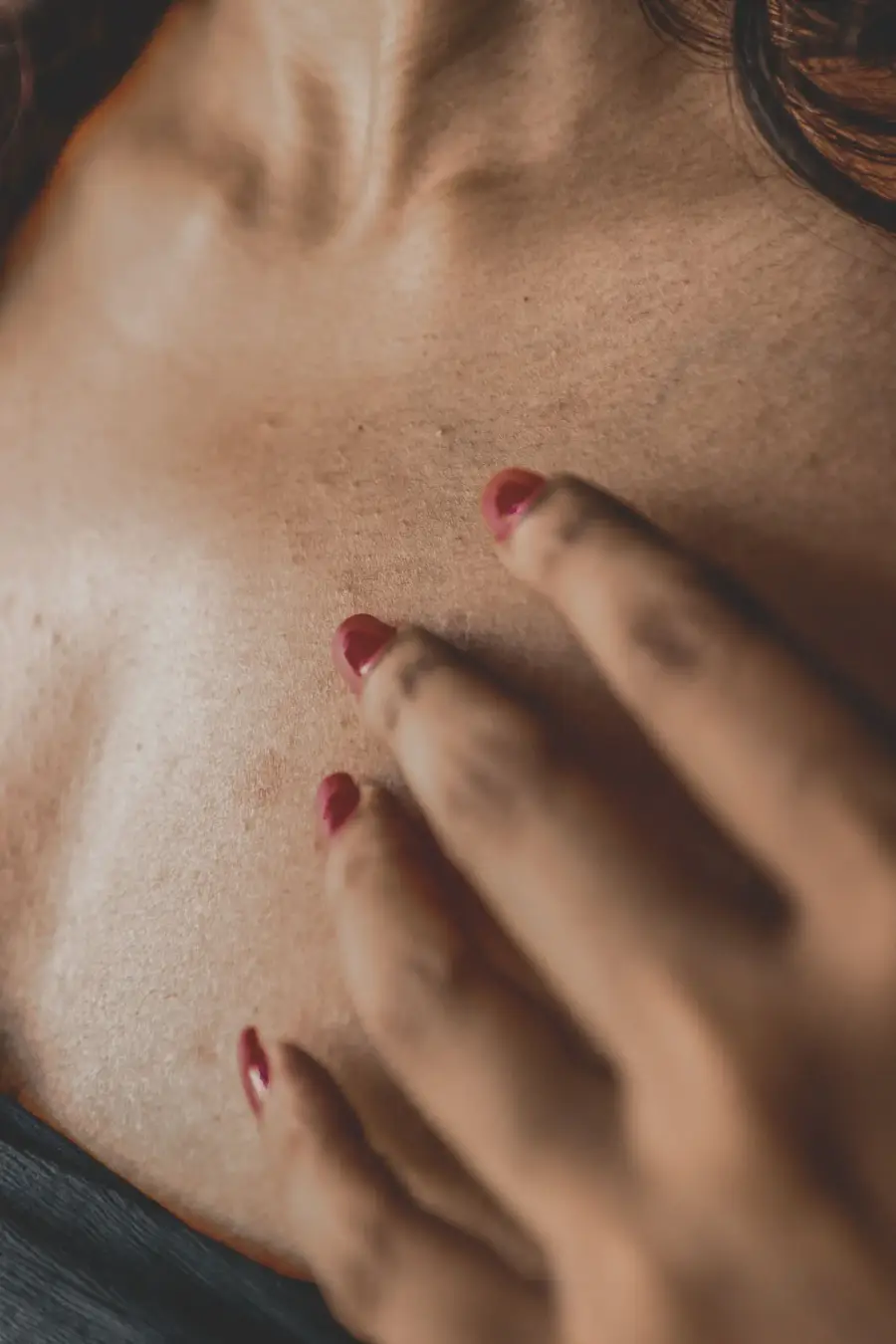
Keratosis pilaris, often called 'chicken skin', is an extremely common and harmless skin condition. It happens when keratin, a protein naturally found in the outermost layer of your skin, builds up at the opening of hair follicles and forms a tiny plug. These bumps, which feel like sandpaper to the touch, appear most often on the backs of the upper arms, the thighs, the buttocks and sometimes the cheeks. It's the most common reason behind the complaint people search for as 'little pimple-like bumps on my arms'; the name 'chicken skin' comes from that look.
It isn't an infection, it isn't contagious and it has nothing to do with poor hygiene. It usually starts in childhood or adolescence; for some women it fades on its own over the years, while for others it continues into adulthood. It often becomes more noticeable during pregnancy, in dry winter months and with a habit of hot showers.
Keratosis pilaris often goes hand in hand with overall dry skin, and it's more common in women with an atopic tendency or dry skin. That's also where the answer to 'how do I get rid of bumps on my arms' comes from: instead of scrubbing with an exfoliating mitt, use keratin-softening creams such as urea or lactic acid, take short lukewarm showers and moisturize regularly. With this gentle care, the bumps can soften considerably, redness can calm down and your skin can look smoother.
Check yourself
How do you recognise it?
- ✓Hard, skin-colored or slightly red bumps the size of a pinhead at the openings of hair follicles
- ✓A dry surface that feels rough, like sandpaper, to the touch
- ✓Most often on the back-outer upper arms, thighs, buttocks and cheeks
- ✓A pinkish-red halo around the bumps (especially on lighter skin)
- ✓Brownish discoloration around the bumps on darker skin
- ✓A thin, coiled hair trapped inside some of the bumps
- ✓Worse in winter and in dry environments, milder in summer
- ✓Usually not itchy; mild itching if the skin is very dry
- ✓Small scabs and marks left behind when bumps are picked
Why it happens
Main causes
01
Genetics
Keratosis pilaris runs in families. If your mother or a sibling has similar bumps, you're more likely to have them too. This shows it isn't a mistake in your skincare but a structural tendency of your skin.
02
Differences in filaggrin and barrier proteins
When less filaggrin, one of the skin's moisture-holding proteins, is produced, keratin can't shed in an orderly way. That's why keratosis pilaris often appears together with atopic eczema and ichthyosis vulgaris (fish-scale dryness).
03
Atopic tendency
It's more common in women with a history of eczema, hay fever or asthma. Atopic skin is skin whose barrier is more easily disrupted and that loses moisture quickly.
04
Hormonal phases
The bumps may become more noticeable during times of intense hormonal change, such as puberty and pregnancy. With age, they fade on their own for many women.
05
Dry climate and winter
Low humidity, heat from central heating radiators and cold air speed up the skin's water loss. Most people describe it getting worse in winter and easing in summer.
06
Certain medications
The literature reports that some systemic treatments, such as certain targeted cancer drugs, can cause rashes resembling keratosis pilaris. Be sure to tell your doctor about any roughness that started along with a new medication.
In daily life
Triggers that cause flare-ups
Medical approach
Treatment options
01
Keratolytic moisturizers
Your dermatologist may recommend creams containing urea, lactic acid or salicylic acid, which soften keratin and help loosen the plugs. With regular use, the bumps are seen to soften noticeably; however, symptoms may return once you stop.
02
Topical retinoids
Vitamin A derivatives that regulate cell turnover may be prescribed for stubborn cases after your dermatologist's assessment. Because they can cause dryness and irritation, they need to be used with a moisturizer. They're not used during pregnancy or while planning a pregnancy.
03
Short-term creams for redness
During periods of noticeable redness, your dermatologist may recommend a mild anti-inflammatory cream for a short time. These creams shouldn't be used long term or on your own.
04
Laser and light treatments
For women with persistent redness and discoloration, vascular lasers and certain light treatments may be options. Reviews emphasize that laser is an option that deserves more recognition for keratosis pilaris and its subtypes.
05
Chemical peels
Superficial peels such as glycolic acid can be applied in a clinical setting at intervals suited to your skin type. Experimenting with high-strength acids at home isn't recommended, as it can damage the barrier.
06
Managing the underlying dryness
If you also have atopic eczema or widespread dryness, your dermatologist will first focus on repairing the barrier. As the barrier gets stronger, the bumps often become noticeably fewer as well.
Did you know? · Keratosis pilaris
80% · In 80% of people with keratosis pilaris, symptoms were reported to change with the seasons; for most, they ease in summer and become more noticeable in winter.
Step by step
Care routine for Keratosis pilaris
- 1
Short, lukewarm shower
Keep your shower to 5-10 minutes and make sure the water is lukewarm. Hot water quickly strips the skin's oil layer.
- 2
Soap-free cleanser
Choose a low-pH, soap-free body wash or cleansing oil for your arms and legs. Spread it gently with your palm; don't scrub.
- 3
Pat dry gently
Pat dry with your towel instead of rubbing; leave your skin slightly damp.
- 4
Urea or lactic acid lotion
Within the first 3 minutes after your shower, apply a keratin-softening lotion to the bumpy areas.
- 5
Sun protection
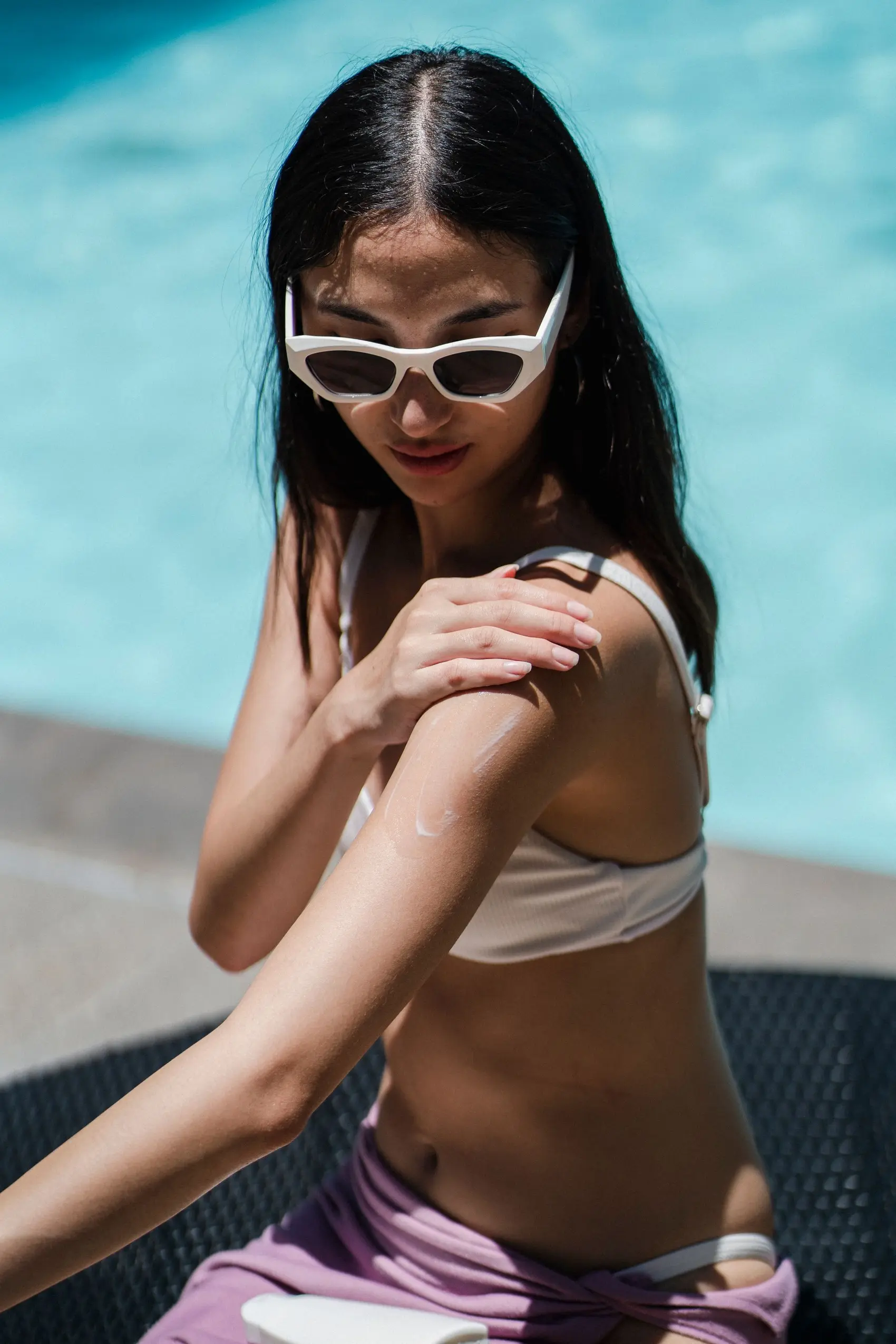
If your arms and legs are exposed, use a broad-spectrum sunscreen; your skin may be more sensitive to the sun, especially if you use products with acids.
Care you can use in your routine
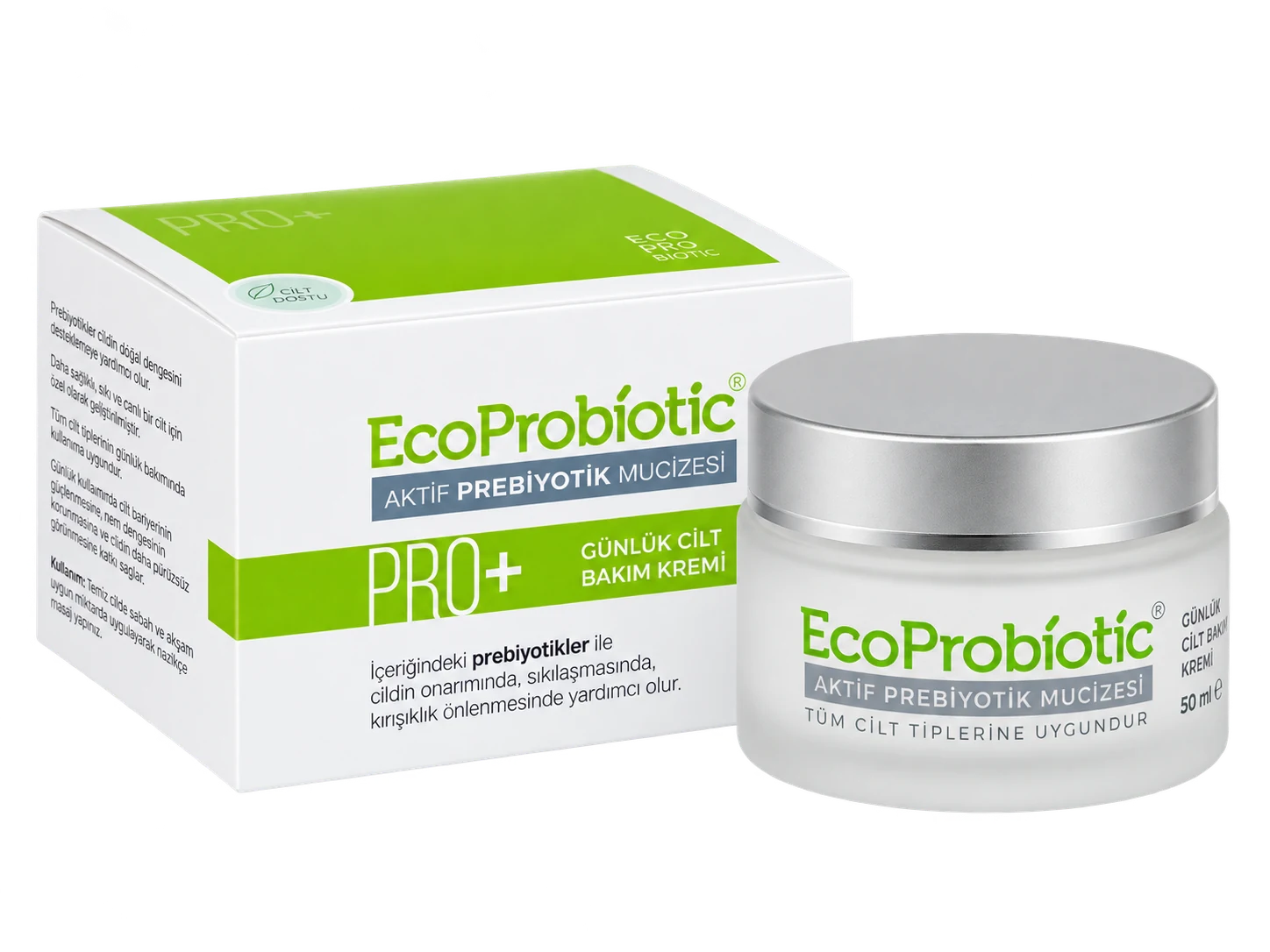
EcoProbiotic care range ↗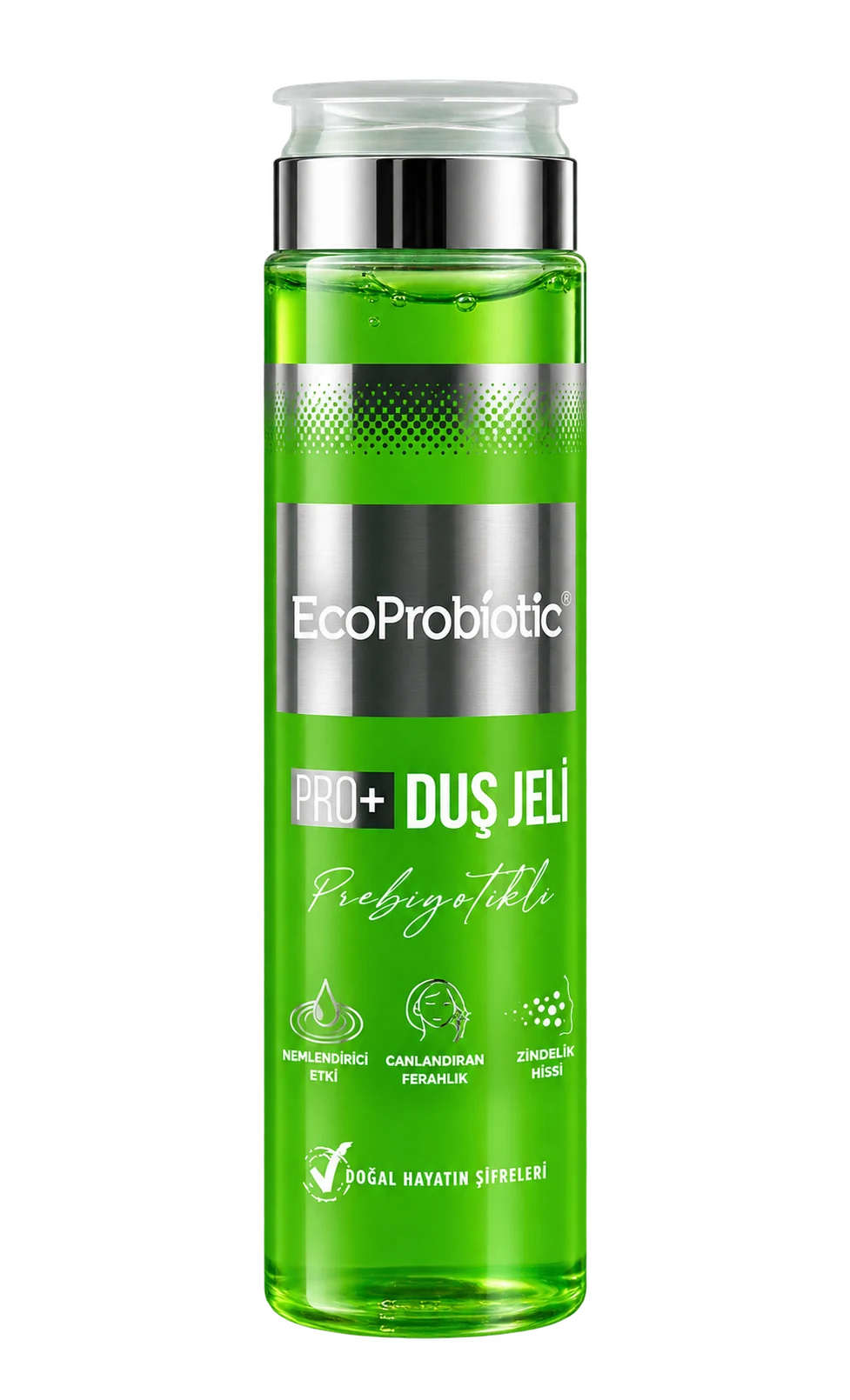
Caution
What to avoid, and when to see a doctor?
Avoid these
- ✕Scrubbing with an exfoliating mitt, loofah or stiff brush
- ✕Squeezing the bumps or trying to pull out the hair with tweezers
- ✕Very hot, long showers
- ✕Alkaline bar soaps and heavily fragranced body washes
- ✕Skipping moisturizer after showering
- ✕Using more than one strong acid or retinoid at the same time
- ✕Shaving the area frequently
- ✕Giving up after a week and deciding 'it didn't work'
See a dermatologist
- →If the bumps are widespread, very red or itchy
- →If the bumps become inflamed, painful or start oozing
- →If the bumps appear along with hair loss on the face and eyebrows
- →If a similar rash started after a new medication
- →If there's no change at all within 2-3 months despite regular care
- →If noticeable dark spots or marks are left behind
Common misconceptions
Myth or fact?
Myth
Keratosis pilaris is caused by dirt and not cleansing enough.
Fact
No. It's about keratin building up in the hair follicle, and it's an inherited tendency. On the contrary, excessive, harsh cleansing can disrupt the barrier and make the bumps more noticeable.
Myth
If I scrub with an exfoliating mitt, the bumps will come off.
Fact
Although a mitt may give a brief feeling of smoothness, it irritates the skin and increases the risk of redness and marks. A gentler way to soften keratin plugs is chemical exfoliants such as urea or lactic acid.
Myth
It's a type of acne, so I should dry it out with acne treatment.
Fact
Keratosis pilaris isn't acne. Drying acne products can weaken the skin barrier even further; what it really needs is moisture and keratin softening.
Popular searches
Most asked about Keratosis pilaris
Your questions
Frequently asked questions
Does keratosis pilaris ever go away completely?+
There's no definite timeline for it 'going away'. In a follow-up study in the UK, some patients saw clear improvement with age, with an average age of improvement reported as 16; for others it continued unchanged. With regular care, its appearance can be largely kept under control.
How soon will I see a difference?+
When you use keratin-softening lotions every day, you can usually feel a difference to the touch within 3-4 weeks. Redness and discoloration improve more slowly, over 2-3 months.
What can I use while pregnant?+
Retinoids should be avoided during pregnancy. Urea moisturizers and gentle, soap-free cleansers are generally the preferred options; talk with your OB-GYN and dermatologist about which acid at which strength is suitable for you.
Does laser hair removal help?+
Some women have reported the bumps easing as the hair follicles decrease. However, the procedure shouldn't be done on red, irritated skin; your dermatologist should decide whether it's right for you.
Does diet make a difference?+
No specific food has been shown to directly trigger keratosis pilaris. Drinking enough water, getting balanced fatty acids and eating a fiber-rich, prebiotic-rich diet support overall skin health and the gut-skin axis.
Can I get it on my face too?+
Yes, especially in childhood and adolescence it can appear on the cheeks as fine bumps on a red background. Because facial skin is more sensitive, lower-strength products and your dermatologist's advice should be preferred here.
What causes pimple-like bumps on my arms?+
The most common cause of small, hard, rough bumps on the backs of the arms is keratosis pilaris: keratin forms a tiny plug at the opening of the hair follicle. It's even more likely if similar bumps run in your family, your skin is dry and it gets worse in winter. For itchy, pus-filled or painful bumps, see a dermatologist to check for other causes such as folliculitis.
What's the best cream for keratosis pilaris?+
The most commonly recommended options are keratin-softening creams containing urea, lactic acid or salicylic acid; used every day, they soften the bumps. Apply the cream to slightly damp skin after your shower, and start with a lower strength if you have redness. In stubborn cases, your dermatologist may recommend creams containing a retinoid.
Is chicken skin contagious?+
No. Keratosis pilaris isn't an infection; it doesn't spread through touch or by sharing towels or clothes. It's an inherited skin tendency and has nothing to do with your hygiene habits.
Does keratosis pilaris itch?+
It's usually not itchy, but if your skin is very dry, especially in winter, there may be mild itching. Lukewarm showers and regular moisturizing often reduce the itch. If the itching is significant or the redness is spreading, see a dermatologist to check for accompanying eczema (atopic dermatitis).
Scientific basis
Sources
- 1.Natural history of keratosis pilaris.
Poskitt L, Wilkinson JD · Br J Dermatol · 1994 · doi:10.1111/j.1365-2133.1994.tb03406.x
In a follow-up of 49 patients, 80% showed seasonal variation; the most commonly affected area was the arms at 92%, and the average age of improvement was 16.
- 2.Keratosis Pilaris and its Subtypes: Associations, New Molecular and Pharmacologic Etiologies, and Therapeutic Options.
Wang JF, Orlow SJ · Am J Clin Dermatol · 2018 · doi:10.1007/s40257-018-0368-3
A review describing keratosis pilaris as a primary disorder of the pilosebaceous unit; it evaluated topical, systemic and laser treatments.
- 3.Keratosis pilaris revisited: is it more than just a follicular keratosis?
Thomas M, Khopkar US · Int J Trichology · 2012 · doi:10.4103/0974-7753.111215
A study revisiting the relationship of keratosis pilaris with the hair follicle and hair structure.
- 4.Filaggrin haploinsufficiency is highly penetrant and is associated with increased severity of eczema: further delineation of the skin phenotype in a prospective epidemiological study of 792 school children.
Brown SJ, Relton CL, Liao H, Zhao Y, et al. · Br J Dermatol · 2009 · doi:10.1111/j.1365-2133.2009.09339.x
In 792 children, filaggrin gene changes were shown to be strongly associated with findings such as keratosis pilaris, dry skin and eczema.
- 5.Natural skin surface pH is on average below 5, which is beneficial for its resident flora.
Lambers H, Piessens S, Bloem A, Pronk H, Finkel P · Int J Cosmet Sci · 2006 · doi:10.1111/j.1467-2494.2006.00344.x
Natural skin surface pH was reported to be below 5 on average, and this acidic environment was found to benefit the skin's resident flora.
- 6.The human skin microbiome.
Byrd AL, Belkaid Y, Segre JA · Nat Rev Microbiol · 2018 · doi:10.1038/nrmicro.2017.157
A foundational review summarizing how the skin microbiome varies by body site and plays a role in communication between the barrier and the immune system.
- 7.Impact of prebiotics and probiotics on skin health.
Al-Ghazzewi FH, Tester RF · Benef Microbes · 2014 · doi:10.3920/BM2013.0040
Discussed how prebiotics may selectively increase the activity of the skin's beneficial flora, while probiotics may support its natural defense barrier.
- 8.Oral and Topical Probiotics and Postbiotics in Skincare and Dermatological Therapy: A Concise Review.
De Almeida CV, Antiga E, Lulli M · Microorganisms · 2023 · doi:10.3390/microorganisms11061420
Reviewed the potential of certain probiotics and their metabolites to improve skin barrier function and reduce inflammation.