Definition
What is Post-inflammatory dark spots and sun spots?
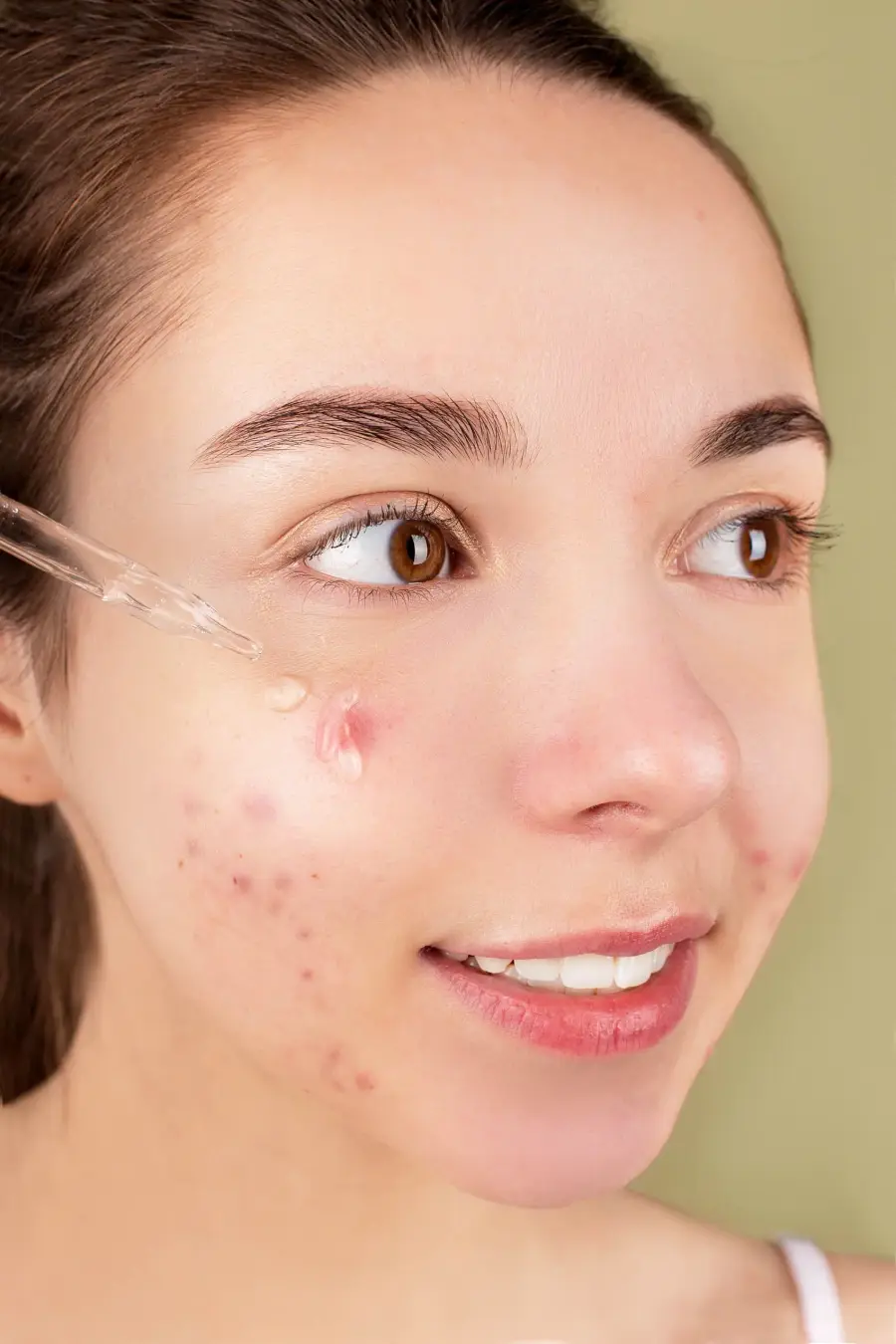
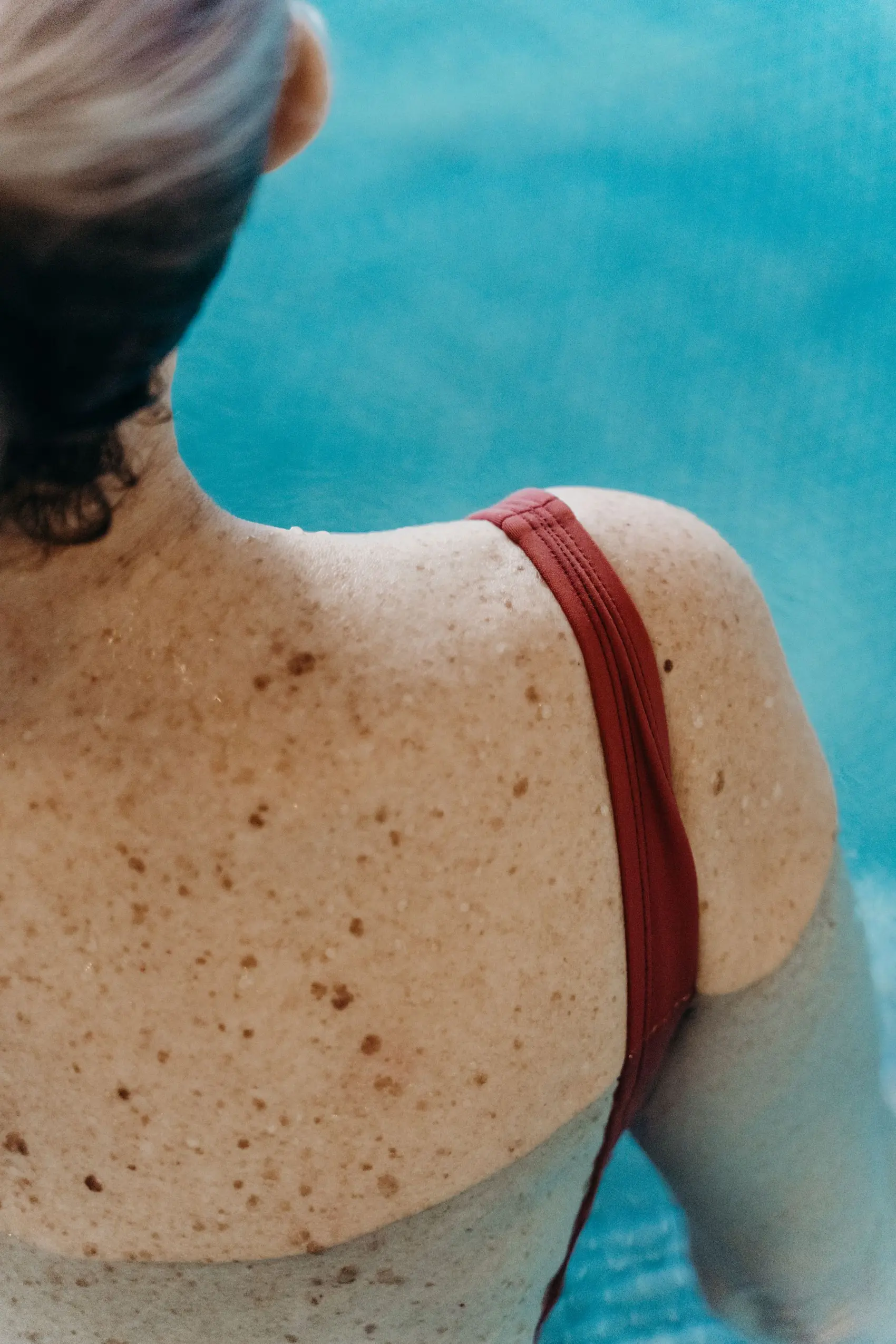
Hyperpigmentation, what we usually just call a “dark spot,” is when an area of skin becomes darker than the skin around it. There are two types women run into most: post-inflammatory hyperpigmentation, meaning brown marks left behind after inflammation such as acne, eczema, insect bites, burns, waxing irritation or cosmetic procedures; and sun spots, meaning round brown spots with clear borders that appear over the years on the areas most exposed to the sun, such as the face, backs of the hands, décolleté and arms.
In post-inflammatory spots, as the skin responds to an injury, pigment cells are also stimulated and produce extra melanin. If this pigment stays in the upper layer of the skin, the spot looks brown and can fade within a few months; if it goes deeper, it takes on a gray-blue tone and lasts much longer. Sun spots form when, under the effect of sun accumulated over the years, pigment cells in certain areas start working permanently harder.
Olive and darker skin tones, which includes most women in Turkey, are more prone to post-inflammatory pigmentation: the same pimple may leave a pink mark on fair skin but a brown mark lasting for months on darker skin. The good news is that most spots sit in the upper layer, and by controlling inflammation early, protecting yourself from the sun and using the right active ingredients, these spots can fade noticeably.
Check yourself
How do you recognise it?
- ✓Flat brown marks where there was a pimple, cut, burn or irritation
- ✓Darker, longer-lasting spots where pimples were picked or squeezed
- ✓Round sun spots with clear borders on the face, backs of the hands, décolleté and arms
- ✓Spots that darken after sun exposure and lighten a little in winter
- ✓A gray-blue tone in deeper spots
- ✓No itching, crusting or raised areas on the spot
- ✓Darkening on the legs and underarms after waxing, epilation or laser
- ✓Brown patches left behind after eczema or contact dermatitis heals
Why it happens
Main causes
01
Acne and pimples
In women, acne is the most common cause of post-inflammatory dark spots. Inflamed, deep and picked pimples leave the most persistent marks.
02
Other inflammatory skin problems
Eczema, contact dermatitis, insect bites, burns and infections can also leave a spot behind after healing.
03
Cosmetic procedures and DIY treatments
Incorrectly set lasers, harsh chemical peels, waxing and epilation irritation, and needle treatments done at home can trigger post-inflammatory spots.
04
Accumulated sun damage
Sun spots are the result of sun exposure over the years. Sun exposure in childhood and youth also adds to this accumulation.
05
Skin tone
Olive and darker skin tones, whose pigment cells are more active, respond to inflammation with more pigment; that's why post-inflammatory spots are more common and more noticeable on darker skin.
06
Visible light
Visible light has been shown to cause lasting pigmentation in darker skin as well. That's why protecting skin with dark spots only against UV may not be enough.
In daily life
Triggers that cause flare-ups
Medical approach
Treatment options
01
First, getting inflammation under control
Dermatologists begin treating post-inflammatory spots by controlling the problem that creates them, such as acne or eczema. As long as new pimples keep appearing, new spots keep forming.
02
Sun protection
A broad-spectrum, high-protection sunscreen used every day is the first step of treatment. On darker skin, tinted formulas with iron oxides give added benefit against visible light.
03
Brightening active ingredients
Based on your dermatologist's assessment, options such as azelaic acid, niacinamide, vitamin C, kojic acid, arbutin, retinoids or short-term hydroquinone may be recommended. Clinical studies have shown that niacinamide helps fade spots by reducing the transfer of pigment to skin cells.
04
Retinoids
Retinoids help both control acne and speed up skin renewal so the spot sheds faster. Because they can be irritating, they are started at a low dose and on a dermatologist's recommendation.
05
Chemical peels and laser
For spots that don't respond to creams, light chemical peels and selected lasers can be used. Because these procedures carry a risk of new spots on darker skin, they should be done by an experienced dermatologist with proper preparation.
06
Targeted methods for sun spots
For sun spots with clear borders, once the dermatologist is sure the spot is benign, they may consider creams, freezing treatment (cryotherapy) or targeted laser.
Did you know? · Post-inflammatory dark spots and sun spots
87.2% · Among 262 acne patients who saw a dermatologist in the Middle East, 87.2% had post-inflammatory dark spots; 69% of patients said they picked at their pimples.
Step by step
Care routine for Post-inflammatory dark spots and sun spots
- 1
Gentle cleansing
Use a soap-free cleanser that doesn't leave your skin tight. If you're acne-prone, a cleanser with a mild active ingredient recommended by your dermatologist may be a good choice.
- 2
Antioxidant serum
A serum with vitamin C or niacinamide gives support against the oxidative stress caused by the sun and helps fade spots.
- 3
Light, barrier-friendly moisturizer
Support your barrier with a light, non-comedogenic moisturizer containing ceramides or prebiotics.
- 4
Broad-spectrum sunscreen
Apply plenty of sunscreen to your face, neck and the backs of your hands. If you have darker skin, choose a tinted formula with iron oxides.
- 5
Hands off your face
Don't touch or squeeze pimples during the day; this one habit alone can noticeably reduce the number of new spots.
Care you can use in your routine
EcoProbiotic care range ↗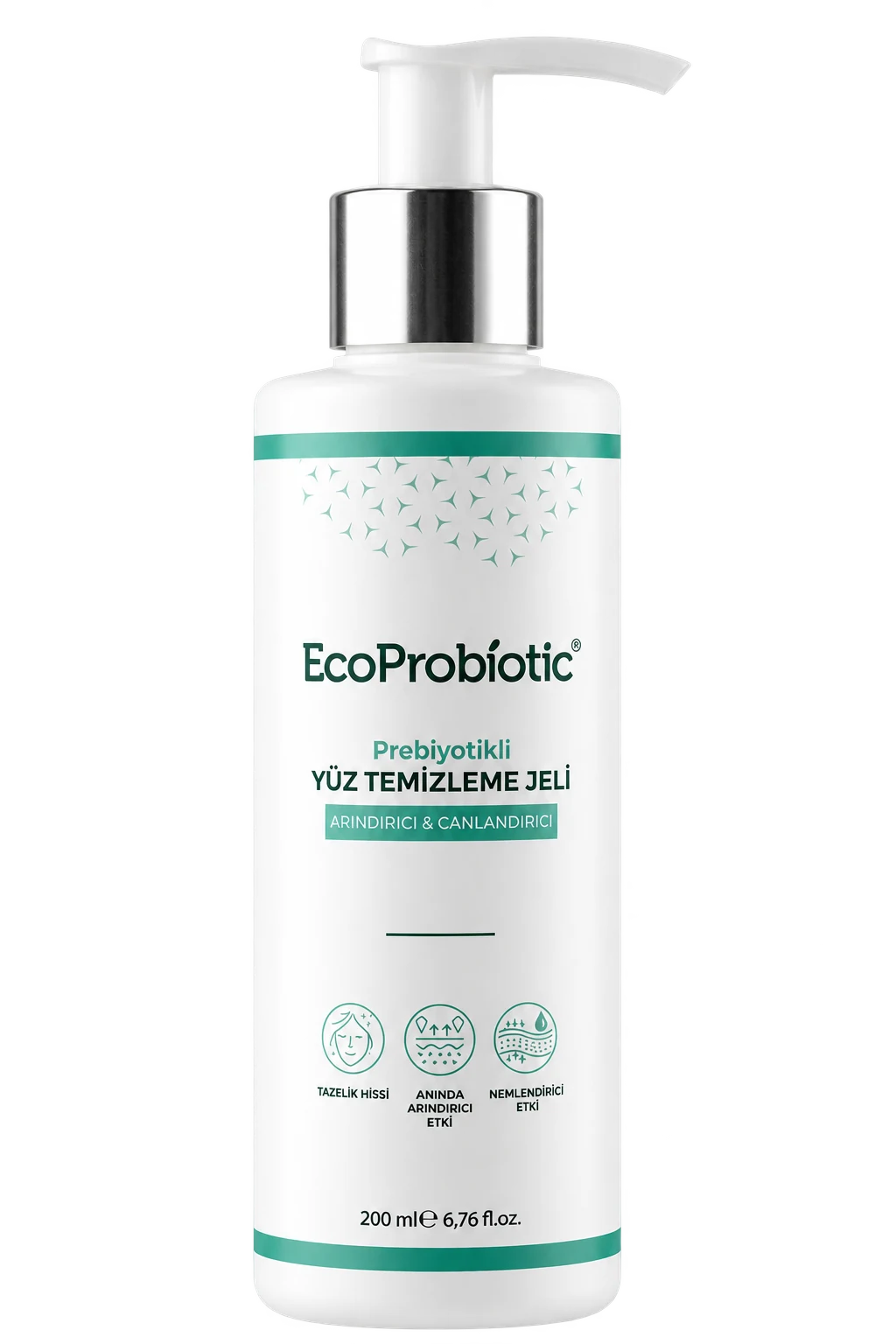 CleansingPrebiotic Face Cleansing GelRemoves make-up and the day’s grime with a gentle foam, supporting the skin barrier as it cleanses. Morning and evening.View ↗
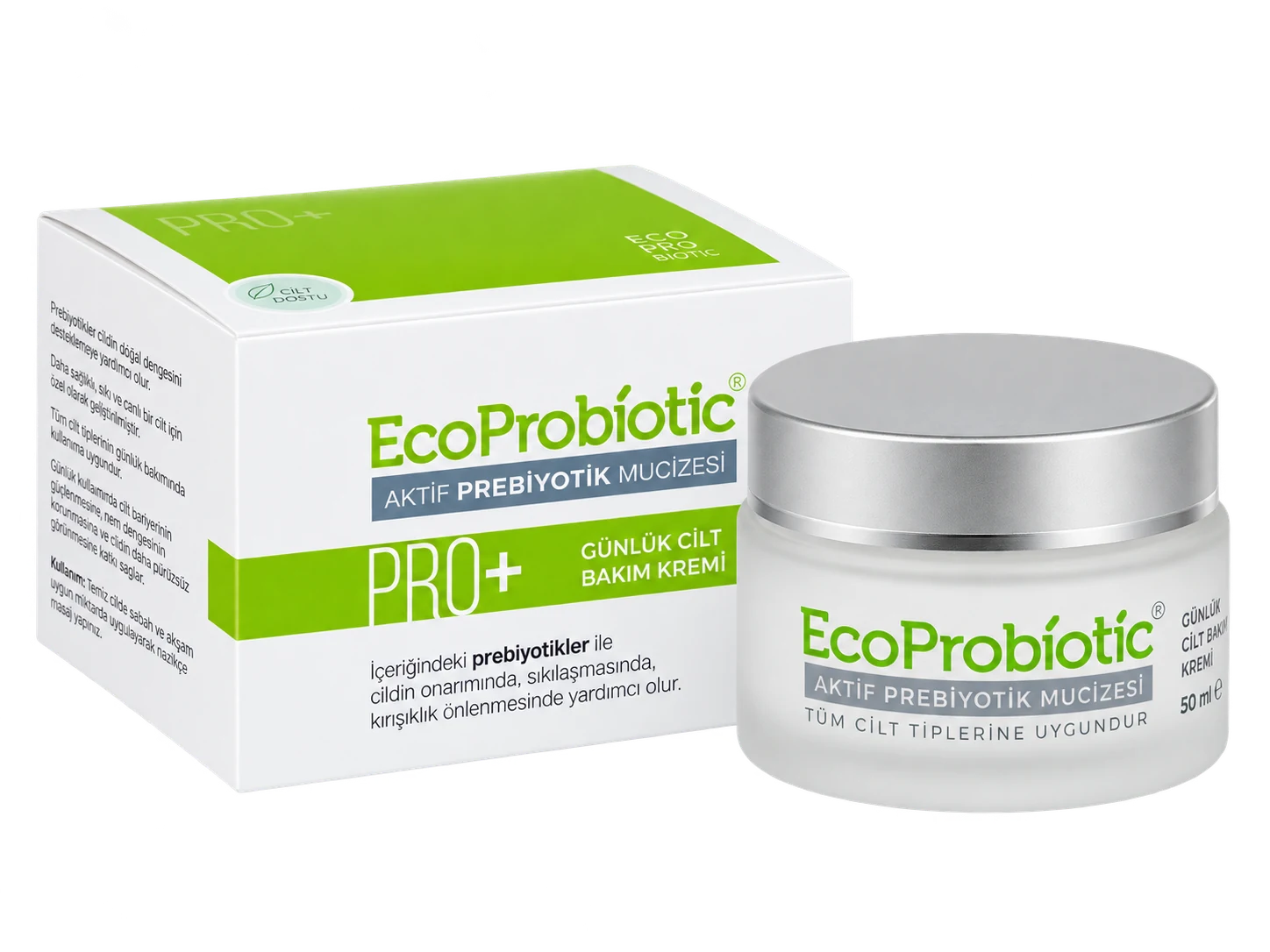 MoisturisingPrebiotic Skin CreamMoisturises the skin and helps repair the barrier. Available in three formulas: for all, dry and oily skin.View ↗
 Weekly carePrebiotic Volcanic Clay MaskAbsorbs excess oil and dirt from the surface, purifying while supporting the barrier. Once or twice a week, for ten minutes.View ↗
Caution
What to avoid, and when to see a doctor?
Avoid these
- ✕Squeezing pimples, pulling off scabs, opening them with a needle
- ✕DIY treatments such as lemon, vinegar, baking soda or toothpaste
- ✕Trying several strong acids and retinoids at the same time
- ✕Grainy, abrasive scrubs
- ✕Using sunscreen only in summer
- ✕Non-prescription “whitening” creams with unclear ingredients
- ✕Going into the sun unprotected after a laser treatment or peel
- ✕Irritating fragranced and alcohol-based products
See a dermatologist
- →If a spot is new, growing quickly, changing color or bleeding
- →If a spot has irregular borders, more than one color or looks different from your other moles
- →If acne can't be controlled despite a regular routine
- →If spots don't fade after 3–6 months of regular care and sun protection
- →If a spot darkened after a cream or procedure
- →If you have deep-looking spots with a gray-blue tone
Common misconceptions
Myth or fact?
Myth
The stronger the product, the faster the spot fades.
Fact
Strong, irritating products can create new inflammation and new spots. Especially on darker skin, a gentle and consistent approach gives better results.
Myth
Squeezing a pimple keeps it from leaving a mark.
Fact
Quite the opposite: squeezing carries inflammation into the deeper layers and raises the risk of a spot. In the Middle East study, picking stood out as the most important modifiable risk factor.
Myth
Sun spots only appear at an older age.
Fact
Sun spots are the result of accumulated sun damage and can also appear in your 20s and 30s if you don't protect your skin regularly.
Popular searches
Most asked about Post-inflammatory dark spots and sun spots
Your questions
Frequently asked questions
Do post-inflammatory dark spots go away on their own?+
Spots in the upper layer often fade on their own within months. But the time stretches out if you go into the sun unprotected and if the inflammation keeps coming back. Deep gray-blue spots fade much more slowly and may need a dermatologist's help.
Is there a difference between red marks and brown marks?+
Yes. The pink-red marks left after a pimple usually come from small dilated blood vessels; brown marks are excess pigment. Because their treatments are different, it's important to know which is which.
How does niacinamide fade dark spots?+
Niacinamide reduces the transfer of pigment produced in pigment cells to the surrounding skin cells. A clinical study showed that a moisturizer with niacinamide noticeably reduced spots after 4 weeks.
Can I do a peel if I have dark spots?+
Light, regular surface renewal can help fade spots; but harsh or frequent peels can create new inflammation. It's safest to decide the strength and frequency with your dermatologist.
Does sunscreen really fade dark spots?+
Sunscreen doesn't fade spots directly, but it helps keep them from darkening and helps prevent new ones. Without protection, the results of any brightening product won't last.
Does probiotic skincare help with dark spots?+
Products with probiotic lysate and prebiotics are not direct brighteners; but by helping support the barrier and microbiome balance, they can help inflammation stay calmer and make treatment more comfortable.
How long does it take for dark spot cream to work?+
The effect of brightening ingredients usually starts to show within a few weeks; noticeable fading often takes 8–12 weeks of regular use. Slacking on sun protection during this time can undo the results. If there's no change after a few months or the spot is getting darker, see your dermatologist.
Do sun spots go away?+
Sun spots usually don't disappear on their own, but they can fade with regular sun protection and brightening ingredients. For more noticeable spots, once your dermatologist is sure the spot is benign, they may consider methods such as freezing treatment or targeted laser. Using a broad-spectrum sunscreen every day is essential to keep new spots from forming.
How can I get rid of acne marks at home?+
Not squeezing pimples and not pulling off scabs is the most effective way to prevent new spots. Using sunscreen every day, regularly applying gentle brightening ingredients such as niacinamide or azelaic acid and controlling pimples early help marks fade faster. DIY treatments such as lemon or toothpaste can irritate the skin and darken the spot.
Which vitamin helps with dark spots on the face?+
Vitamin C applied to the skin supports against sun damage with its antioxidant effect and can help fade spots; niacinamide (vitamin B3) also reduces the transfer of pigment to skin cells. There is no strong evidence that vitamins taken by mouth fade spots. The foundation of dark spot treatment is still daily sun protection.
Scientific basis
Sources
- 1.Survey of acne-related post-inflammatory hyperpigmentation in the Middle East
Abanmi A, Al-Enezi M, Al Hammadi A, Galadari I, Kibbi AG, Zimmo S · Journal of Dermatological Treatment · 2019 · doi:10.1080/09546634.2018.1542807
Post-inflammatory dark spots were found in 87.2% of 262 acne patients; 69% of patients picked at their pimples and half found the spots more bothersome than the acne.
- 2.Postinflammatory Hyperpigmentation: Epidemiology, Clinical Presentation, Pathogenesis and Treatment
Kaufman BP, Aman T, Alexis AF · American Journal of Clinical Dermatology · 2018 · doi:10.1007/s40257-017-0333-6
Reviewed how post-inflammatory spots develop after acne, eczema and dermatological procedures, and that they are more common in darker skin.
- 3.Postinflammatory hyperpigmentation: a review of the epidemiology, clinical features, and treatment options in skin of color
Davis EC, Callender VD · Journal of Clinical and Aesthetic Dermatology · 2010
Stressed that treatment should start by controlling inflammation and with sun protection, and that irritating treatments can make spots worse.
- 4.Latest insights into skin hyperpigmentation
Ortonne JP, Bissett DL · Journal of Investigative Dermatology Symposium Proceedings · 2008 · doi:10.1038/jidsymp.2008.7
Summarized how sun spots and other pigment disorders form, and the targets for treatment.
- 5.The effect of niacinamide on reducing cutaneous pigmentation and suppression of melanosome transfer
Hakozaki T, Minwalla L, Zhuang J, et al. · British Journal of Dermatology · 2002 · doi:10.1046/j.1365-2133.2002.04834.x
Showed that niacinamide reduced pigment transfer by 35–68% and significantly reduced facial spots after 4 weeks of use.
- 6.Impact of long-wavelength UVA and visible light on melanocompetent skin
Mahmoud BH, Ruvolo E, Hexsel CL, et al. · Journal of Investigative Dermatology · 2010 · doi:10.1038/jid.2010.95
Showed that in darker skin, visible light causes darker and longer-lasting pigmentation than long-wave UVA.
- 7.The human skin microbiome
Byrd AL, Belkaid Y, Segre JA · Nature Reviews Microbiology · 2018 · doi:10.1038/nrmicro.2017.157
Reviewed how the skin microbiome affects the immune response and the barrier, and how its imbalance is linked to inflammatory skin diseases.
- 8.The role of topical probiotics in skin conditions: A systematic review of animal and human studies and implications for future therapies
Knackstedt R, Knackstedt T, Gatherwright J · Experimental Dermatology · 2020 · doi:10.1111/exd.14032
Showed that probiotics applied to the skin may positively affect bacterial balance in conditions such as acne, and that this area needs more research.