Definition
What is Seborrheic dermatitis?
Seborrheic dermatitis is a chronic, recurring inflammatory skin condition that appears in areas rich in oil glands: the scalp, eyebrows, the area between the brows, the sides of the nose, behind the ears and the center of the chest. It shows up as yellowish, greasy flakes, redness and itching. Dandruff is the mildest end of the same spectrum: flaking and itching only on the scalp, without visible inflammation.
At the center of this picture is a yeast (Malassezia) that naturally lives on the skin of every healthy person. This yeast feeds by breaking down the fats in sebum; some of the resulting fatty acids cause irritation and inflammation in people whose barrier is weak and sensitive. So the problem isn't the yeast being there; it's a disrupted balance between the yeast, sebum, the barrier and the person's immune response.
Seborrheic dermatitis tends to flare during stressful periods, in the winter months and with lack of sleep. It isn't contagious and isn't caused by dirt. Although there's no definitive, permanent cure, most women can keep greasy dandruff and facial flaking calm for long periods with antifungal shampoos, creams suitable for the face and maintenance care continued after symptoms clear.
Check yourself
How do you recognise it?
- ✓White or yellowish, greasy-looking dandruff on the scalp
- ✓Itching and sometimes a burning feeling on the scalp
- ✓Red, flaky areas in the eyebrows, between the brows and around the sides of the nose
- ✓Flaking behind the ears and at the entrance to the ear canal
- ✓A red, flaky border along the hairline
- ✓Red patches in the center of the chest or under the breasts
- ✓Redness and flaking along the eyelid margins
- ✓Lighter-colored patches in people with darker skin
- ✓Flare-ups that become noticeable with stress, cold weather and lack of sleep
Why it happens
Main causes
01
A yeast that naturally lives on the skin
As the yeast breaks down fats in sebum, it produces irritating fatty acids. In sensitive people, these substances lead to inflammation and flaking.
02
Sebum production
The condition appears in areas rich in oil glands. The amount and composition of sebum set the stage for the yeast to feed and multiply.
03
Personal sensitivity and the barrier
Even though everyone has the yeast, not everyone develops seborrheic dermatitis. It appears in people with a weaker barrier and a more sensitive immune response.
04
Stress and fatigue
Stressful periods and lack of sleep are frequently linked to flare-ups.
05
Season and climate
Cold, dry weather and winter months spent indoors often make symptoms worse.
06
Certain health conditions
Parkinson's disease, conditions that weaken the immune system and certain medications can increase the risk of seborrheic dermatitis.
In daily life
Triggers that cause flare-ups
Medical approach
Treatment options
01
Antifungal shampoos
When the scalp is involved, shampoos with active ingredients that reduce yeast growth are the foundation of treatment. Shampoos containing ketoconazole, zinc pyrithione, selenium sulfide or ciclopirox are used as your dermatologist recommends. Leave the shampoo on the scalp for a few minutes so it can work.
02
Products that loosen flakes
To soften thick, stuck-on flakes, shampoos with salicylic acid or tar may be used after your dermatologist's assessment.
03
Antifungal creams for the face
On the face and eyebrows, antifungal creams are among the first-line treatments. They're used for a period your dermatologist determines, then may be continued less often to prevent flare-ups.
04
Short-term anti-inflammatory treatments
During flare-ups, low-strength corticosteroid lotions or creams, or topical calcineurin inhibitors on the face, may be used short-term after your dermatologist's assessment. Applying cortisone to the face for long periods is not recommended.
05
Maintenance treatment
Because seborrheic dermatitis tends to come back, it's often recommended to keep using the antifungal shampoo once or twice a week after symptoms clear.
06
Oral treatments
In very widespread or stubborn cases, oral antifungal medications may be considered short-term under a dermatologist's supervision.
Did you know? · Seborrheic dermatitis
4.38% · The worldwide prevalence of seborrheic dermatitis in a meta-analysis covering 121 studies and more than 1.2 million people; in adults the rate rises to 5.64%.
Step by step
Care routine for Seborrheic dermatitis
- 1
Gentle facial cleansing
Cleanse your eyebrows, the sides of your nose and the area between your brows with a soap-free, pH-balanced cleanser and lukewarm water.
- 2
Treatment cream
If your dermatologist recommended an antifungal or other cream for your face, apply a thin layer to the affected areas.
- 3
Lightweight moisturizer
Instead of heavy oils, use a lightweight, non-pore-clogging moisturizer with prebiotics. Oil-rich creams can feed the yeast.
- 4
Sunscreen
Use a lightweight, fragrance-free sunscreen; avoid oily formulas.
Care you can use in your routine
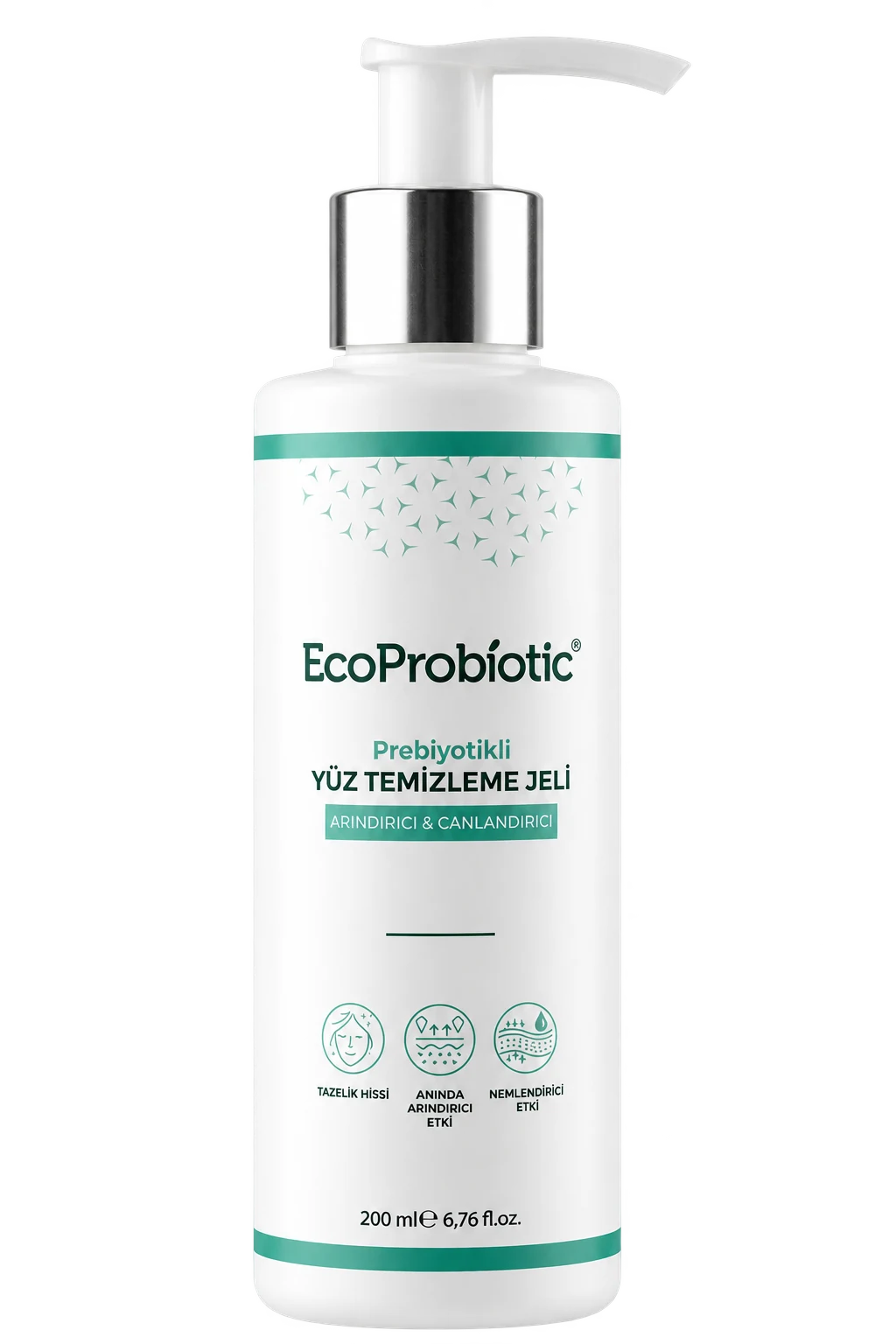
EcoProbiotic care range ↗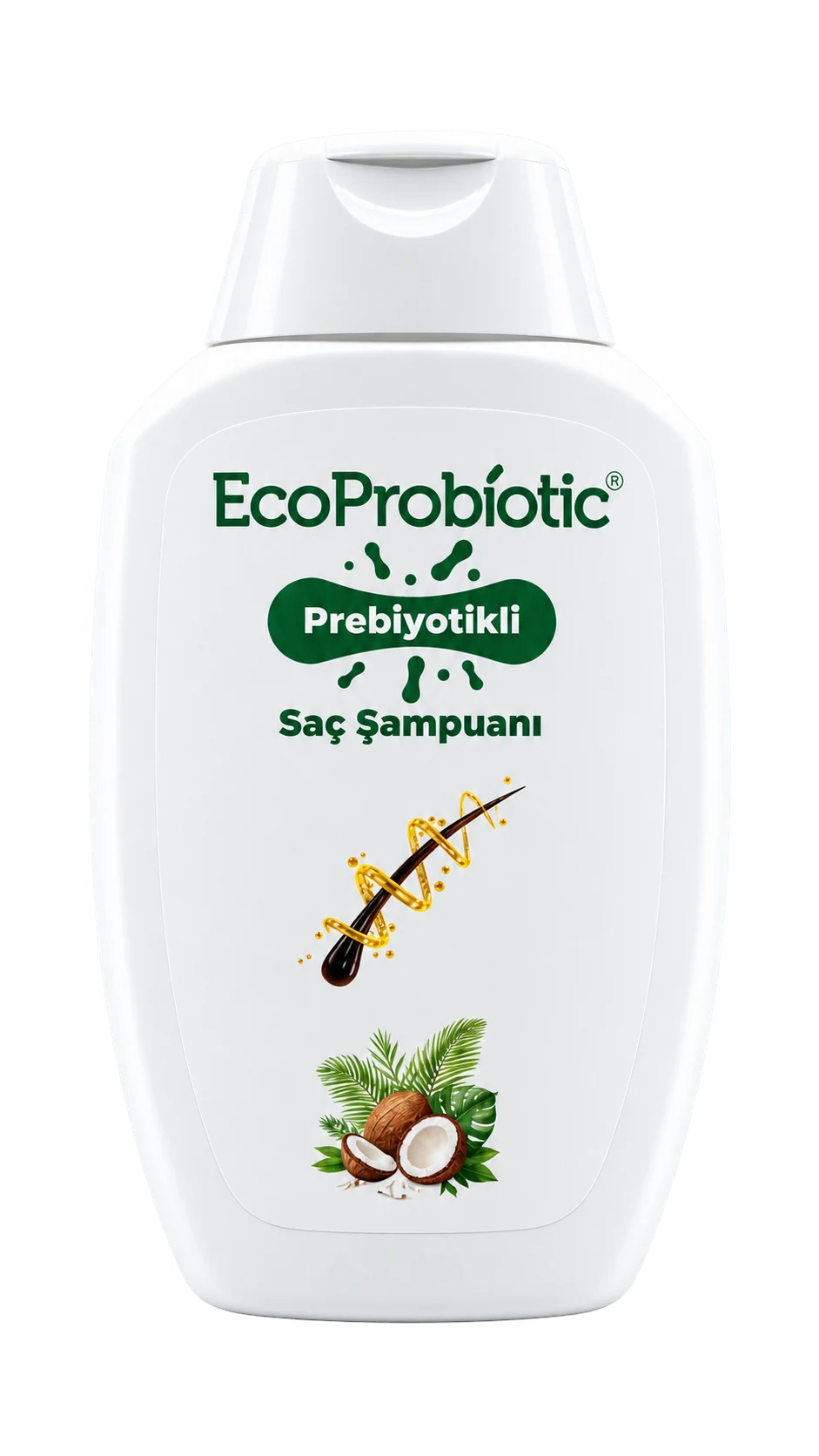
Caution
What to avoid, and when to see a doctor?
Avoid these
- ✕Scraping or picking off flakes with your nails
- ✕Applying olive oil or similar heavy oils to your scalp (the yeast feeds on fatty acids)
- ✕Washing your hair with very hot water
- ✕Letting alcohol-based hair tonics and sprays touch your scalp
- ✕Washing your hair too rarely and letting sebum build up
- ✕Applying cortisone cream to your face on your own for long periods
- ✕Dropping your care routine completely once symptoms clear
See a dermatologist
- →If dandruff and itching haven't improved within 4 weeks with drugstore dandruff shampoos
- →If you have thick, silvery flakes, bleeding or pain on your scalp (it needs to be distinguished from psoriasis)
- →If redness is spreading on your face, chest or skin folds
- →If hair loss comes with it
- →If affected areas are oozing, forming yellow crusts or painful
- →If redness and a stinging feeling along your eyelid margins persist
Common misconceptions
Myth or fact?
Myth
Dandruff comes from a dry scalp, so you need to oil your scalp.
Fact
In seborrheic dermatitis, dandruff is usually greasy and yellowish; applying oil to the scalp can feed the yeast and make things worse.
Myth
Seborrheic dermatitis is caused by poor hygiene.
Fact
It has nothing to do with hygiene. It comes from a disrupted balance between natural yeast, sebum, the barrier and personal sensitivity.
Myth
An antifungal shampoo clears it up for good, and it never comes back.
Fact
Seborrheic dermatitis tends to come back. Continuing to use the shampoo less often after symptoms clear and maintaining scalp balance help reduce flare-ups.
Popular searches
Most asked about Seborrheic dermatitis
Your questions
Frequently asked questions
Are dandruff and seborrheic dermatitis the same thing?+
They're two ends of the same spectrum. Dandruff is flaking and itching only on the scalp, without visible inflammation. Seborrheic dermatitis involves redness and inflammation and can also affect other areas, such as the face, behind the ears and the chest.
How often should I wash my hair?+
With seborrheic dermatitis, washing your hair more often is usually helpful, since sebum buildup feeds the yeast. You can use the treatment shampoo on the recommended days and a gentle shampoo in between.
Does hair dye affect seborrheic dermatitis?+
Dye itself isn't the cause, but dyes and developers can irritate an already sensitive scalp. It's a good idea to postpone coloring during flare-ups and do an allergy patch test beforehand.
Could the flaking in my eyebrows also be seborrheic dermatitis?+
Yes, the eyebrows and the area between them are among the most common places for seborrheic dermatitis. Your dermatologist can recommend an antifungal cream suitable for the face.
Can a probiotic shampoo replace an antifungal shampoo?+
No. Scalp care with probiotic and prebiotic ingredients may help support microbiome balance and the barrier; however, in active seborrheic dermatitis it should be used alongside your dermatologist's recommended treatment during calm periods, not instead of it.
Is there a permanent cure for seborrheic dermatitis?+
Because seborrheic dermatitis tends to come back, there's no method that clears it permanently in one go. But once a flare-up is under control with an antifungal shampoo or cream, continuing to use these products once or twice a week is the most effective way to keep symptoms calm for a long time.
Which shampoo is used for seborrheic dermatitis?+
Shampoos containing ketoconazole, zinc pyrithione, selenium sulfide or ciclopirox are the most commonly recommended; salicylic acid shampoos can be added for thick flakes. Massaging the shampoo into your scalp and leaving it on for 3–5 minutes boosts its effect; your dermatologist decides which one is right for you.
Are there foods to avoid with seborrheic dermatitis?+
There's no strong evidence that a specific food causes seborrheic dermatitis, and there's no proven 'foods to avoid' list. Eating a balanced diet and reducing stress and lack of sleep are generally helpful; if you notice a flare-up with a particular food, keep notes and talk to your dermatologist.
How do you treat seborrheic dermatitis on the face?+
Antifungal creams recommended by your dermatologist are the first step for flaking on the eyebrows, between the brows and around the nose; short-term anti-inflammatory creams may be added during flare-ups. Using a soap-free cleanser and a lightweight, oil-free moisturizer, and not rubbing off the flakes, support healing.
Scientific basis
Sources
- 1.The Global Prevalence of Seborrheic Dermatitis: A Systematic Review and Meta-Analysis
Polaskey MT, Chang CH, Daftary K, Fakhraie S, Miller CH, Chovatiya R · JAMA Dermatology · 2024 · doi:10.1001/jamadermatol.2024.1987
A meta-analysis covering 121 studies calculated the worldwide prevalence of seborrheic dermatitis at 4.38%, and 5.64% in adults.
- 2.Seborrheic Dermatitis and Dandruff: A Comprehensive Review
Borda LJ, Wikramanayake TC · Journal of Clinical and Investigative Dermatology · 2015 · doi:10.13188/2373-1044.1000019
Summarized that dandruff and seborrheic dermatitis are parts of the same disease spectrum, with sebum, fungal colonization and individual sensitivity all playing a role.
- 3.Seborrheic dermatitis: etiology, risk factors, and treatments: facts and controversies
Dessinioti C, Katsambas A · Clinics in Dermatology · 2013 · doi:10.1016/j.clindermatol.2013.01.001
Reviewed what is known and what remains debated about the causes, risk factors and treatments of seborrheic dermatitis, including the role of yeast.
- 4.Host-microbe interactions: Malassezia and human skin
Grice EA, Dawson TL · Current Opinion in Microbiology · 2017 · doi:10.1016/j.mib.2017.10.024
Summarized that the yeast naturally found on the skin lives on both healthy and diseased skin and interacts with the host through immune and chemical mediators.
- 5.Skin microbiome alterations in seborrheic dermatitis and dandruff: A systematic review
Tao R, Li R, Wang R · Experimental Dermatology · 2021 · doi:10.1111/exd.14450
Showed that the ratio between yeast species changes in seborrheic dermatitis and dandruff, that increased staph is linked to water loss and higher pH, and that the yeast is linked to itching and severity.
- 6.Stratum corneum dysfunction in dandruff
Turner GA, Hoptroff M, Harding CR · International Journal of Cosmetic Science · 2012 · doi:10.1111/j.1468-2494.2012.00723.x
Found that on a scalp with dandruff, structural lipids decrease, water loss increases and sensitivity to irritants rises, and suggested that supporting the barrier may be beneficial.
- 7.Comparison of Healthy and Dandruff Scalp Microbiome Reveals the Role of Commensals in Scalp Health
Saxena R, Mittal P, Clavaud C, ve ark. · Frontiers in Cellular and Infection Microbiology · 2018 · doi:10.3389/fcimb.2018.00346
Compared the healthy and dandruff scalp microbiome in 140 women and observed that beneficial bacteria carry pathways linked to producing B vitamins important for hair.
- 8.Changing our microbiome: probiotics in dermatology
Yu Y, Dunaway S, Champer J, Kim J, Alikhan A · British Journal of Dermatology · 2020 · doi:10.1111/bjd.18088
Reviewed probiotic studies in various skin diseases, including seborrheic dermatitis; it reported generally positive results while stressing the need for more studies.
- 9.Seborrheic dermatitis: Overview
American Academy of Dermatology · AAD (Amerikan Dermatoloji Akademisi) · 2022
Explains the symptoms of seborrheic dermatitis, who gets it and treatment approaches in a patient-friendly way.