Definition
What is Skin and hair in PCOS?
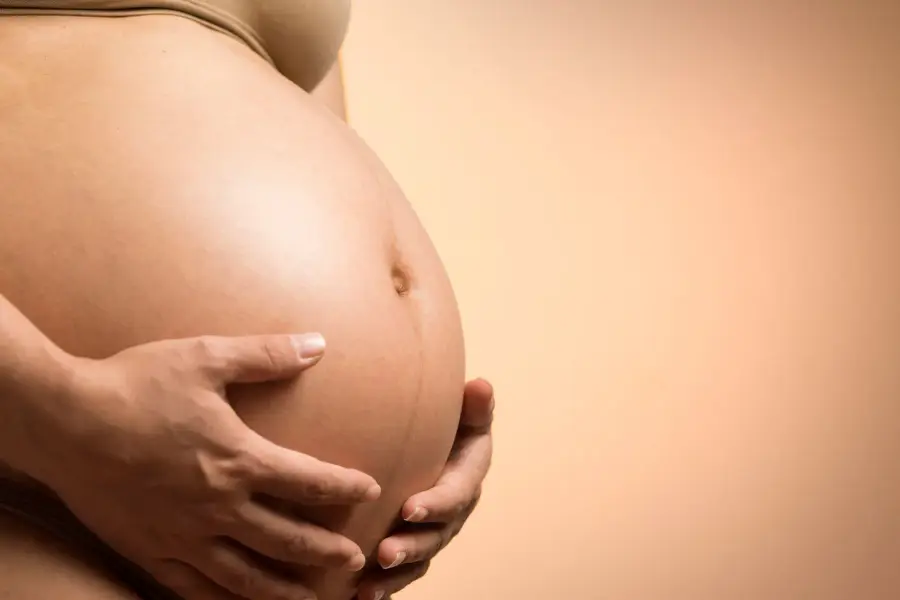
Polycystic ovary syndrome (PCOS) is the most common hormonal condition in women of reproductive age. Irregular periods, infrequent ovulation, increased effects of androgens, the so-called 'male hormones', and many small follicles in the ovaries are the core parts of the picture. It's diagnosed when several of these findings occur together and other causes have been ruled out.
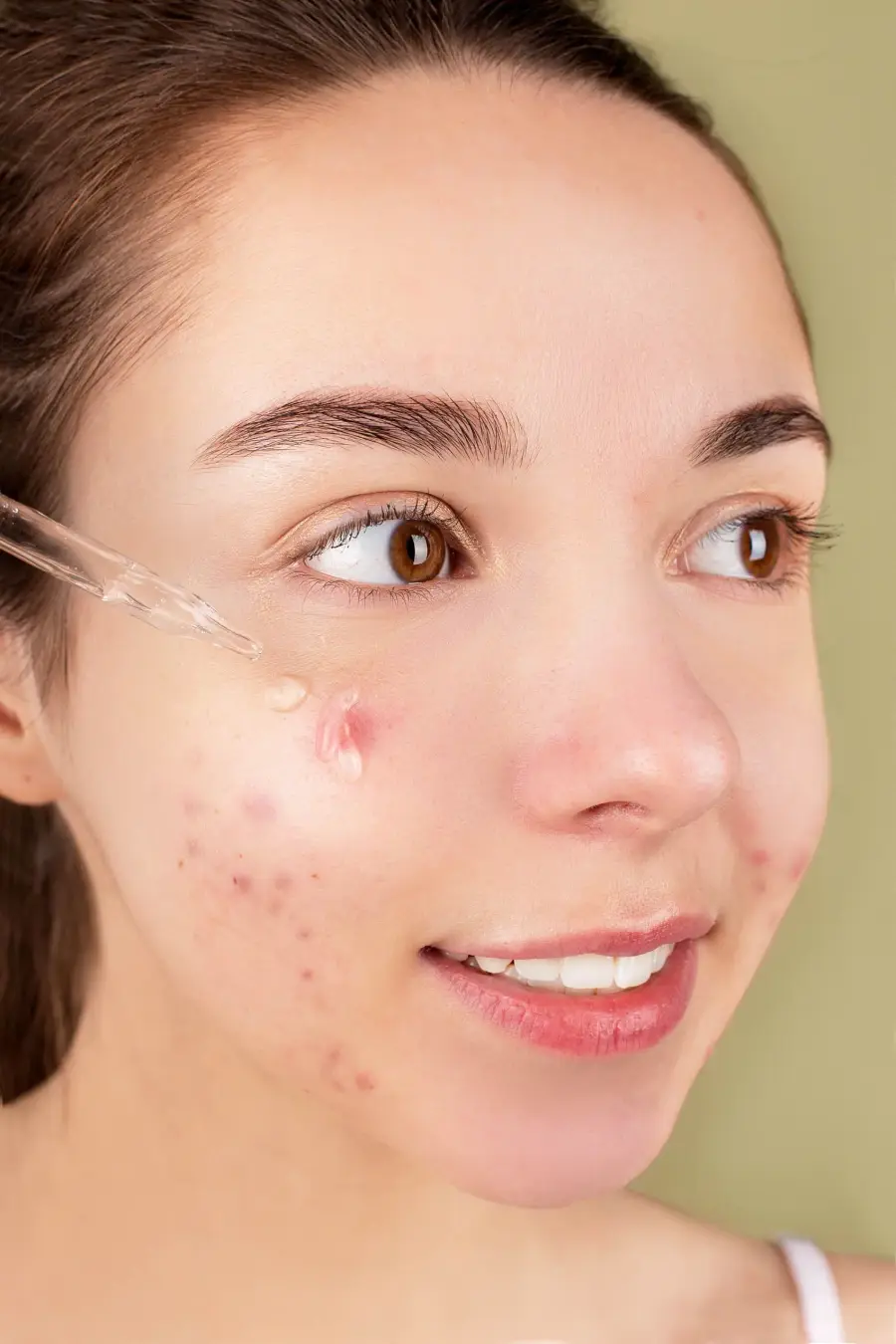
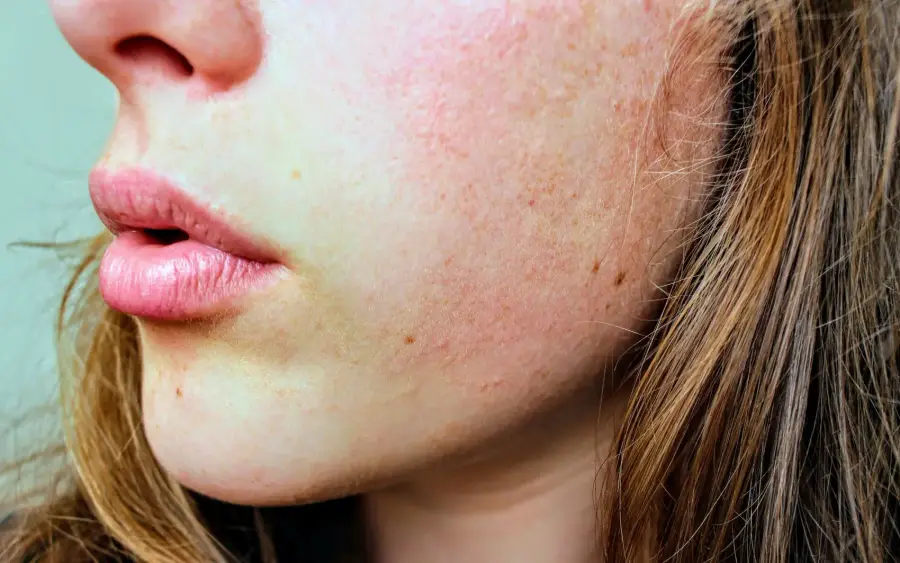
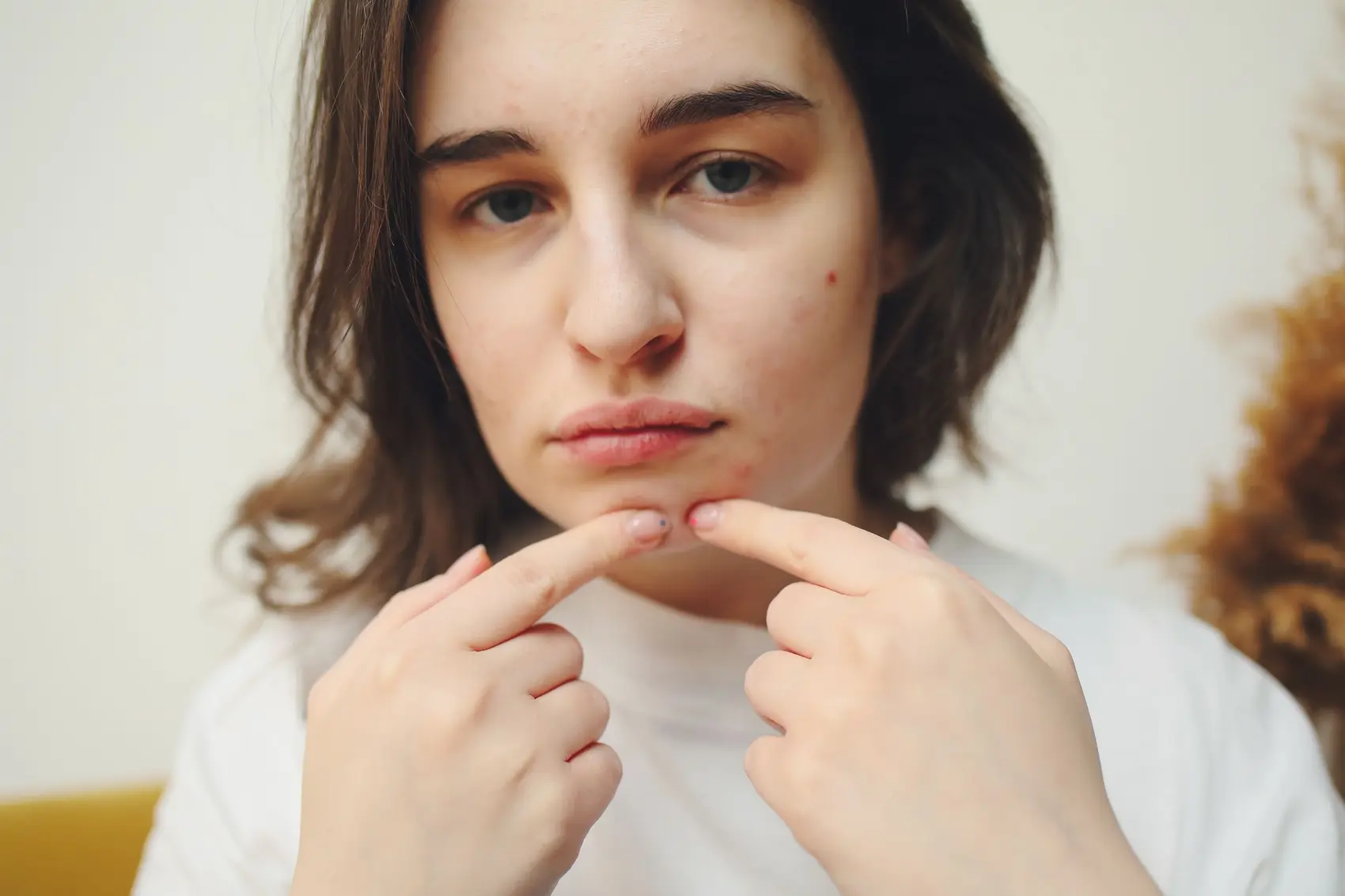
PCOS often shows up on the skin first. By stimulating the oil glands, androgen activity can lead to stubborn hormonal acne, especially along the jawline; by stimulating hair follicles, it can cause unwanted hair growth (hirsutism) on areas such as the chin, upper lip, chest and abdomen, and thinning on the scalp that starts at the crown. Insulin resistance, which often goes along with it, can cause dark, velvety patches (acanthosis nigricans) and skin tags on the neck and underarms.
That's why dermatologists play an important role in recognizing PCOS. The good news: PCOS is a manageable condition. An approach that addresses hormone balance, insulin sensitivity and skincare together can make a meaningful difference to your skin, your hair and your overall health.
Check yourself
How do you recognise it?
- ✓Acne concentrated on the jawline, lower face and neck that flares before your period
- ✓Breakouts that start in adulthood or don't clear after age 25
- ✓Coarse, dark hair on the chin, upper lip, sideburns, between the breasts and around the belly button
- ✓Thinning at the crown of the scalp and a widening part
- ✓Oily skin and an oily scalp
- ✓Dark, velvety patches on the back of the neck, underarms and groin
- ✓Small skin tags (acrochordons) on the neck and underarms
- ✓Irregular or infrequent periods
- ✓Difficulty losing weight, especially fat around the waist
Why it happens
Main causes
01
Hyperandrogenism
Increased androgen secretion from the ovaries and adrenal glands, or tissues being more sensitive to androgens, is the main cause of the skin and hair findings in PCOS.
02
Insulin resistance
A significant share of women with PCOS have insulin resistance, regardless of weight. This increases androgen production and leads to skin signs such as acanthosis nigricans.
03
Genetic predisposition
PCOS clusters in families. If your mother or sister has PCOS or similar findings, your risk is higher.
04
Chronic low-grade inflammation
PCOS is described as involving a mild, silent inflammatory state in the body. This can fuel both metabolic risks and inflammatory acne on the skin.
05
Lifestyle and weight
Weight gain can make the picture worse by increasing insulin resistance and androgen levels. The international guideline emphasizes a healthy lifestyle as the foundation of PCOS management and underlines that weight stigma should be avoided.
06
Stress and sleep
Chronic stress and sleep problems affect the balance of cortisol and insulin. The 2023 guideline also highlights that sleep apnea and psychological burden are very common in PCOS.
In daily life
Triggers that cause flare-ups
Medical approach
Treatment options
01
Hormonal regulation
After evaluation by your OB-GYN and endocrinologist, combined birth control pills are often used to ease both acne and unwanted hair by reducing androgen effects. Your pregnancy plans, health history and risks need to be considered together.
02
Anti-androgen medications
Medications that reduce the effects of androgens on hair follicles and oil glands may be added to treatment for acne, hirsutism and hair thinning after a specialist's evaluation. These medications aren't used during pregnancy, and effective contraception is needed while taking them.
03
Treatments that improve insulin sensitivity
For women with significant insulin resistance, your doctor may recommend insulin-sensitizing medications along with lifestyle changes. This approach supports both metabolic health and, indirectly, skin findings.
04
Acne treatment
Topical retinoids, azelaic acid, benzoyl peroxide and, when needed, topical or oral antibiotics can be used after your dermatologist's assessment. For severe, stubborn acne, oral retinoid treatment may be considered; this medication must never be used during pregnancy.
05
Female pattern hair loss
A report from the Androgen Excess and PCOS Society recommends starting treatment for female pattern hair loss with topical minoxidil and adding other medications for advanced loss or marked androgen excess. It also emphasizes that every woman with hair loss should be evaluated for androgen excess.
06
Unwanted hair
Laser hair removal and topical hair-growth-slowing creams recommended by your dermatologist give longer-lasting results when combined with hormonal treatment. Doing laser alone without getting the hormonal factor under control may not fully stop new hairs from growing.
07
Dark patches (acanthosis nigricans)
These patches are a reflection of insulin resistance. They usually lighten as insulin sensitivity improves; your dermatologist may also recommend retinoid or keratin-softening creams.
Did you know? · Skin and hair in PCOS
10% · A systematic meta-analysis estimated that about 10% of women of reproductive age have PCOS according to the Rotterdam criteria.
Step by step
Care routine for Skin and hair in PCOS
- 1
Gentle gel cleanser
Even for oily skin, a soap-free, low-pH gel cleanser is enough. Cleansing until your skin squeaks damages the barrier.
- 2
Niacinamide serum
Niacinamide supports oil balance and the barrier and reduces the appearance of redness; it pairs well with acne treatments.
- 3
Light prebiotic moisturizer
Choose a non-comedogenic gel-cream moisturizer that contains prebiotics and ceramides.
- 4
Sunscreen
Use a broad-spectrum, oil-free sunscreen. Acne marks and acanthosis patches darken with sun exposure.
- 5
Scalp check
If your scalp gets oily, wash it with a gentle shampoo as often as needed; leaving an oily scalp unwashed can increase itching and dandruff.
Caution
What to avoid, and when to see a doctor?
Avoid these
- ✕Squeezing pimples and picking at them with your nails
- ✕Plucking hairs with tweezers
- ✕Alcohol-based, drying toners
- ✕Thick, oily, comedogenic creams
- ✕Hormone-containing supplements or medications without consulting a doctor
- ✕Trusting products sold online like 'miracle PCOS tea'
- ✕Very low-calorie diets you can't sustain
- ✕Expecting results from a single product within weeks
See a dermatologist
- →If your periods are irregular and you also have stubborn acne or increasing hair growth
- →If hair loss has become noticeable or your part is widening
- →If you've noticed dark, velvety patches on your neck, underarms or groin
- →If you have rapidly developing masculine features such as a deepening voice or increased muscle mass (this requires urgent evaluation)
- →If you're planning a pregnancy and have been diagnosed with PCOS
- →If there's no clear improvement in 3 months despite acne treatment
Common misconceptions
Myth or fact?
Myth
Only overweight women get PCOS.
Fact
No. PCOS also occurs in women of normal weight, and insulin resistance can be present regardless of weight. Weight can make the picture worse, but it isn't the only cause.
Myth
PCOS acne clears up with creams alone.
Fact
Topical treatments are important for hormonal acne, but they're often not enough. Longer-lasting results come when they're combined with treatments that target hormone balance and insulin sensitivity.
Myth
If I remove my hair, it will grow back thicker and darker.
Fact
Shaving or waxing doesn't increase the number or thickness of hairs. In PCOS, the increase in hair is caused by androgen activity, not the removal method.
Popular searches
Most asked about Skin and hair in PCOS
Your questions
Frequently asked questions
I have PCOS. Will I definitely get acne?+
No. PCOS has four different phenotypes, and skin findings differ from woman to woman. Some women only have irregular periods, while others have noticeable acne and unwanted hair.
Is my hair loss caused by PCOS?+
It might be, but iron deficiency, thyroid problems and stress also cause hair loss. Experts recommend that women with hair loss be evaluated not only for androgen excess but also for iron, vitamin D, zinc, thyroid and prolactin levels.
Will my acne come back when I stop the pill?+
For some women, acne can flare again after stopping the pill. That's why it helps to discuss the decision to stop with your doctor, along with a plan for your skin afterward.
Do probiotic supplements help with PCOS?+
Research has observed that probiotics and synbiotics are associated with positive changes in some hormone and inflammation markers; however, the studies are small and short-term. Supplements can be considered a helpful option for supporting microbiome balance alongside the treatment your doctor recommends.
How should I adjust my diet?+
There's no single 'PCOS diet'. A sustainable eating pattern rich in fiber, protein and healthy fats, with less refined sugar, supports insulin sensitivity. Making a personal plan with a dietitian is the healthiest approach.
What happens to my skin treatments if I want to get pregnant?+
Oral and topical retinoids and anti-androgen medications aren't used during pregnancy and should be stopped when planning a pregnancy. Plan which treatment to pause and when together with your OB-GYN and dermatologist.
Where does PCOS acne appear, and how can I tell?+
Hormonal acne linked to PCOS is most often concentrated along the jawline, lower face and neck, flares before your period and continues after age 25. It can be deep, painful and prone to leaving marks. If this comes with irregular periods or increasing hair growth, a gynecological evaluation is recommended.
How do I get rid of PCOS facial and body hair?+
For lasting results, both the hormonal factor and the existing hair need to be addressed. Hormonal treatment recommended by your OB-GYN and endocrinologist slows the growth of new hair, while laser hair removal reduces existing hair. Plucking with tweezers isn't recommended because it increases the risk of ingrown hairs and marks.
Are the dark patches on my neck related to PCOS?+
Velvety darkening on the back of the neck, underarms and groin (acanthosis nigricans) is often a sign of insulin resistance and is common in PCOS. It isn't dirt and won't come off with scrubbing. It usually lightens as insulin sensitivity improves; your doctor may check your blood sugar and insulin levels.
Will PCOS hair loss stop?+
With the right treatment, hair loss slows down for many women. For female pattern hair loss, experts generally recommend starting with topical minoxidil and adding medications that reduce androgen effects when needed. Checking levels such as iron, thyroid and vitamin D is also part of the plan.
Scientific basis
Sources
- 1.The prevalence and phenotypic features of polycystic ovary syndrome: a systematic review and meta-analysis.
Bozdag G, Mumusoglu S, Zengin D, Karabulut E, Yildiz BO · Hum Reprod · 2016 · doi:10.1093/humrep/dew218
PCOS prevalence was found to be 6% by NIH criteria and 10% by Rotterdam and AE-PCOS criteria; hirsutism prevalence was 13%.
- 2.Recommendations from the 2023 International Evidence-based Guideline for the Assessment and Management of Polycystic Ovary Syndrome.
Teede HJ, Tay CT, Laven J, Dokras A, et al. · Fertil Steril · 2023 · doi:10.1016/j.fertnstert.2023.07.025
An international guideline with 254 recommendations and practice points; it emphasized a healthy lifestyle, emotional well-being and evidence-based medical treatment.
- 3.Polycystic ovary syndrome: a review for dermatologists: Part I. Diagnosis and manifestations.
Housman E, Reynolds RV · J Am Acad Dermatol · 2014 · doi:10.1016/j.jaad.2014.05.007
Emphasized that the skin findings of PCOS (acanthosis nigricans, hirsutism, acne, hair loss) give dermatologists a key role in diagnosis.
- 4.Polycystic ovary syndrome: a review for dermatologists: Part II. Treatment.
Buzney E, Sheu J, Buzney C, Reynolds RV · J Am Acad Dermatol · 2014 · doi:10.1016/j.jaad.2014.05.009
Reviewed how acne, hirsutism and hair loss in PCOS are addressed with a combination of hormonal, metabolic and dermatological treatments.
- 5.Female Pattern Hair Loss and Androgen Excess: A Report From the Multidisciplinary Androgen Excess and PCOS Committee.
Carmina E, Azziz R, Bergfeld W, Escobar-Morreale HF, et al. · J Clin Endocrinol Metab · 2019 · doi:10.1210/jc.2018-02548
Recommended evaluating every woman with female pattern hair loss for androgen excess and starting treatment with topical minoxidil.
- 6.The effect of probiotics, prebiotics, and synbiotics on hormonal and inflammatory indices in women with polycystic ovary syndrome: a systematic review and meta-analysis.
Shamasbi SG, Ghanbari-Homayi S, Mirghafourvand M · Eur J Nutr · 2020 · doi:10.1007/s00394-019-02033-1
Across 13 studies of 855 women with PCOS, probiotics and synbiotics increased SHBG and lowered FAI; no difference was found in testosterone or hirsutism scores.
- 7.Oral and Topical Probiotics and Postbiotics in Skincare and Dermatological Therapy: A Concise Review.
De Almeida CV, Antiga E, Lulli M · Microorganisms · 2023 · doi:10.3390/microorganisms11061420
Reviewed the potential of probiotics and postbiotics to improve the appearance of acne-prone skin and reduce inflammation, as well as the role of the gut-skin axis.
- 8.The human skin microbiome.
Byrd AL, Belkaid Y, Segre JA · Nat Rev Microbiol · 2018 · doi:10.1038/nrmicro.2017.157
Summarized that oily skin sites host a distinctive microbiome and that this balance shifts in conditions such as acne.