At this stage
What happens to your skin?
01
Most changes are physiological
Most skin changes during pregnancy are normal and fade on their own after delivery. The dark line down the middle of the belly, darkening of the nipples and a glow to the skin are examples.
02
Pregnancy mask (melasma)
A study of 400 pregnant women found a melasma prevalence of 15.8%, and more than half of the cases had a family history of melasma. High estrogen and progesterone stimulate pigment cells; the sun darkens these patches.
03
Stretch marks
Pregnancy stretch marks are among the most common connective tissue changes. Young age, a family history of stretch marks and weight gain before and during pregnancy are the main risk factors.
04
Breakouts or a glow
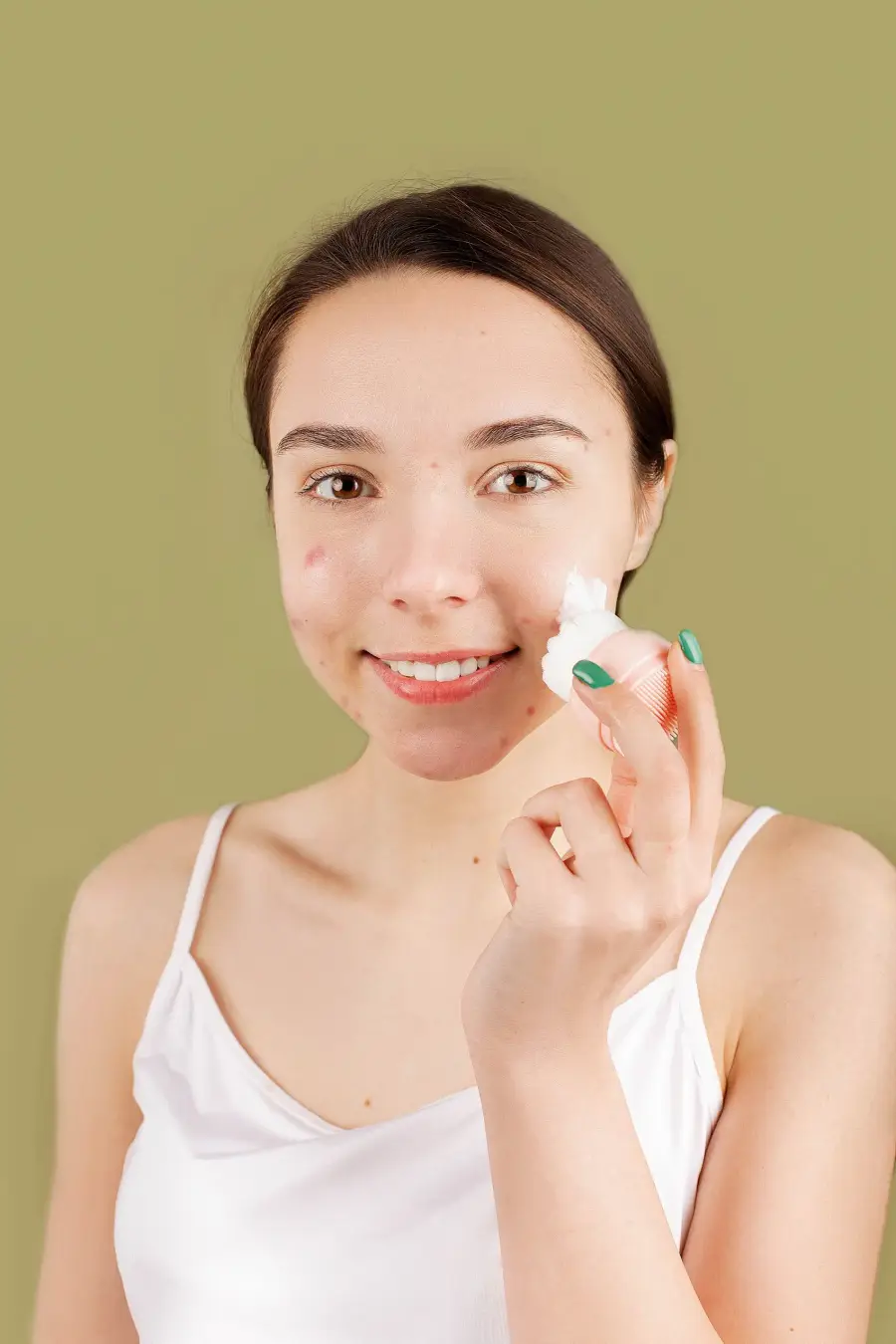
In some women, breakouts flare up with rising hormones, especially in the first trimester, while in others skin looks more radiant and plump. Your skin's response may be different in each pregnancy.
05
Itching and sensitivity
Stretching belly skin can itch. However, some itchy skin conditions specific to pregnancy, and especially itching concentrated on the palms and soles, may require close monitoring for the baby's sake.
06
Changes in blood vessels and blood flow
Because of increased blood volume and estrogen, redness on the palms, fine blood vessels on the face and varicose veins on the legs may appear. Most of these ease after delivery.
From within
The effect of hormones
During pregnancy, estrogen, progesterone and hormones released by the placenta rise rapidly. These hormones can stimulate pigment cells, leading to melasma and darkening; affect connective tissue, leading to stretch marks; and affect oil glands, leading to breakouts or a glow. The immune system also readjusts to protect the baby, so existing skin conditions like eczema, psoriasis or acne may improve in some women and flare up in others.
After delivery, estrogen drops quickly. Hair strands that stayed in the growth phase longer during pregnancy may shift into the shedding phase within a few months after birth, which is described as postpartum hair loss. Although it has been emphasized that the true frequency of this shedding hasn't been fully determined scientifically, many mothers notice increased shedding during this period; hair usually recovers within 6–12 months. Lack of sleep, breastfeeding and iron deficiency can affect this process.
Focus
Priorities at this age
01
Know what to avoid
Oral isotretinoin must never be used during pregnancy. Topical vitamin A derivatives such as retinol, retinal, tretinoin, adapalene and tazarotene are also not recommended during pregnancy. Hydroquinone, high-strength salicylic acid peels and tetracycline-class antibiotics should also be avoided.
02
Know what's generally considered safe
Azelaic acid, low-strength benzoyl peroxide, topical clindamycin or erythromycin (on your doctor's recommendation), vitamin C, niacinamide, ceramides, hyaluronic acid, glycerin and low-strength glycolic or lactic acid are generally considered safer options during pregnancy. Still, it's best to talk to your doctor about every new product.
03
Mineral sunscreen
Mineral sunscreens with zinc oxide and titanium dioxide are the most commonly recommended options during pregnancy. Using them every day to counter the tendency toward melasma, and protecting against visible light too with tinted formulas, is important.
04
Consistent care for stretch marks
Although no method has been proven to prevent them for certain, applying moisturizer to the belly, breasts, hips and thighs with daily massage has been found promising. Keeping your weight gain within the range your doctor recommends is also important.
05
Simplicity
Fragrance-free products with few ingredients, designed for sensitive skin, are the best choice for skin that hormones have made more sensitive.

Pregnancy and postpartum · Pregnancy and after
Two hearts, one skin: safe, simple and caring skincare
Step by step
Skin routine
- 1
Gentle cleansing
Wash your face with a soap-free, fragrance-free, mildly acidic cleanser. During bouts of nausea, fragrance-free products are easier to use.
- 2
Vitamin C or niacinamide
These two ingredients help reduce the appearance of dark spots and are generally considered safe during pregnancy.
- 3
Moisturizer
A fragrance-free cream with ceramides, glycerin, hyaluronic acid and prebiotics can help support the barrier and the microbiome.
- 4
Mineral sunscreen
An SPF 50 sunscreen with zinc oxide or titanium dioxide, preferably tinted, is your strongest shield against melasma.
What you can add to your routine
Hormones affect the microbiome too
The changing hormones and immune system of pregnancy can also affect the skin and gut microbiome. Gentle, simple care helps support this balance.
Prebiotic, fragrance-free care
Fragrance-free moisturizers with prebiotics can help support the barrier's defenses in skin that's become more sensitive by feeding your skin's friendly bacteria.
Hair and scalp
Hair routine
- 1
Hair during pregnancy
During pregnancy, hair strands stay in the growth phase longer; many women notice their hair is fuller and shinier.
- 2
Hair dye and chemical treatments
There's no strong evidence that hair dye is harmful during pregnancy, but many experts recommend waiting until after the first trimester. Applying it in a well-ventilated space, with methods that minimize contact with the scalp, is the more cautious approach. Avoid keratin straightening treatments that can release formaldehyde.
- 3
Making peace with postpartum shedding
Shedding that begins 2–4 months after delivery usually recovers within 6–12 months. Gentle combing, loose hairstyles and a light volumizing shampoo make this period easier.
- 4
Iron and nutrition
Childbirth and breastfeeding can lower iron stores. If shedding lasts longer than 12 months or is very heavy, it's important to get your ferritin and thyroid levels checked.
- 5
Scalp care
Hormonal changes can cause an oily scalp or dandruff. Fragrance-free, gentle shampoos and, if needed, products with zinc can help.
Most common
Common concerns
Skin during pregnancy
Dark spots, stretch marks, breakouts, itching and blood vessel changes. A detailed guide to all skin changes during pregnancy.
Read in the atlas →Pregnancy mask (melasma)
Symmetrical brown patches on the forehead, cheeks and upper lip. Sun protection is the most important step.
Read in the atlas →Pregnancy acne
It can increase, especially in the first trimester. Instead of retinoids, azelaic acid and safe options recommended by your doctor are preferred.
Read in the atlas →Postpartum hair loss
Increased shedding in the months after delivery; it usually recovers within a year.
Read in the atlas →Eczema flare-ups
With immune changes during pregnancy, eczema may flare up or appear for the first time; barrier care is the foundational approach.
Read in the atlas →Daily life
Lifestyle
Balanced weight gain
Gaining weight within the range your doctor recommends is important for both your health and your baby's; it also affects your risk of stretch marks.
Protect yourself from the sun
Because of the tendency toward melasma, avoid the midday sun and wear a wide-brimmed hat and sunglasses.
Sleep and rest
Sleep gets interrupted during pregnancy and after delivery. Resting whenever you can and asking for support are important for both your mental health and your skin.
Nutrition and water
A diet with iron, folate, protein, omega-3s and plenty of water supports your skin and hair too. Use supplements according to your doctor's recommendation.
Self-compassion
Your body is carrying and nourishing a life. Stretch marks or dark spots are traces of this powerful journey; being kind to yourself is part of self-care too.
Popular searches
Most asked about Pregnancy and postpartum
Your questions
Frequently asked questions
Can I use retinol during pregnancy?+
No. Oral vitamin A derivatives are linked to birth defects; although the risk of topical retinoids is much lower, they're not recommended during pregnancy. If you're planning a pregnancy, stop using retinoids; you can use azelaic acid, niacinamide and vitamin C instead.
Which sunscreen should I choose during pregnancy?+
Mineral sunscreens with zinc oxide and titanium dioxide are the most commonly recommended options. If you're prone to melasma, a tinted formula with iron oxides adds extra protection against visible light.
Is it possible to completely prevent stretch marks?+
No method has been proven for certain. Genetics and weight gain are the deciding factors. Daily moisturizing and massage have been found promising; after delivery, your dermatologist can evaluate options such as laser or, once you're done breastfeeding, retinoids.
My hair is falling out after giving birth. Is it permanent?+
For most women, it's not permanent. Shedding usually begins 2–4 months after delivery and recovers within 6–12 months. If it lasts longer than a year or is very heavy, see your doctor to get your iron and thyroid levels checked.
I'm itchy during pregnancy. When should I worry?+
Itching of stretching belly skin is common. However, if you have intense itching without a rash, especially on the palms and soles and worse at night, or a blistering rash, see your doctor right away; some pregnancy conditions require close monitoring for the baby's sake.
Why does pregnancy cause acne, and how do you get rid of it?+
Rising hormones, especially in the first trimester, can stimulate the oil glands and increase breakouts. Gentle cleansing, a non-pore-clogging moisturizer and azelaic acid, which is generally considered safe during pregnancy, are the first steps. Low-strength benzoyl peroxide or topical antibiotics should only be used on your doctor's recommendation.
How do you get rid of facial dark patches (pregnancy mask) during pregnancy?+
For most women, the pregnancy mask (melasma) fades in the months after delivery. Using a mineral, preferably tinted, sunscreen every day throughout pregnancy, along with vitamin C, niacinamide and azelaic acid, helps limit darkening of the patches. Hydroquinone and harsh peels should be left until after delivery and breastfeeding, and to your dermatologist's evaluation.
Is it safe to keep up a skincare routine while breastfeeding?+
Yes; a basic routine of gentle cleanser, moisturizer and sunscreen can be continued while breastfeeding. Talk to your doctor before going back to ingredients like retinoids or hydroquinone and before applying products near the breast; data on how active ingredients pass into breast milk vary by ingredient.
Scientific basis
Sources
- 1.Physiological skin changes during pregnancy.
Tyler KH · Clinical Obstetrics and Gynecology · 2015 · doi:10.1097/GRF.0000000000000077
Reviewed how most skin changes during pregnancy are physiological and fade on their own after delivery.
- 2.Safety of dermatologic medications in pregnancy and lactation: Part I. Pregnancy.
Murase JE, Heller MM, Butler DC · Journal of the American Academy of Dermatology · 2014 · doi:10.1016/j.jaad.2013.09.010
Summarized in a single table the pregnancy safety data for commonly used topical and oral dermatologic medications, using international classifications.
- 3.Safety of dermatologic medications in pregnancy and lactation: Part II. Lactation.
Butler DC, Heller MM, Murase JE · Journal of the American Academy of Dermatology · 2014 · doi:10.1016/j.jaad.2013.09.009
Reviewed data on the transfer of dermatologic medications and active ingredients into breast milk and their safety during breastfeeding.
- 4.Prevalence and awareness of melasma during pregnancy.
Moin A, Jabery Z, Fallah N · International Journal of Dermatology · 2006 · doi:10.1111/j.1365-4632.2004.02470.x
Found a melasma prevalence of 15.8% in 400 pregnant women; more than half of the cases had a family history of melasma.
- 5.Striae gravidarum: Risk factors, prevention, and management.
Farahnik B, Park K, Kroumpouzos G, Murase J · International Journal of Women's Dermatology · 2017 · doi:10.1016/j.ijwd.2016.11.001
Reviewed how pregnancy stretch marks are among the most common connective tissue changes; young age, family history and weight gain are the main risk factors, and daily massage looks promising.
- 6.Specific dermatoses of pregnancy: an evidence-based systematic review.
Kroumpouzos G, Cohen LM · American Journal of Obstetrics and Gynecology · 2003 · doi:10.1067/mob.2003.129
Systematically reviewed the itchy skin conditions specific to pregnancy and emphasized that some require close monitoring for the baby's sake.
- 7.The Postpartum Telogen Effluvium Fallacy.
Mirallas O, Grimalt R · Skin Appendage Disorders · 2016 · doi:10.1159/000445385
Emphasized that although postpartum hair loss is widely discussed, its true frequency has not been clearly defined scientifically.