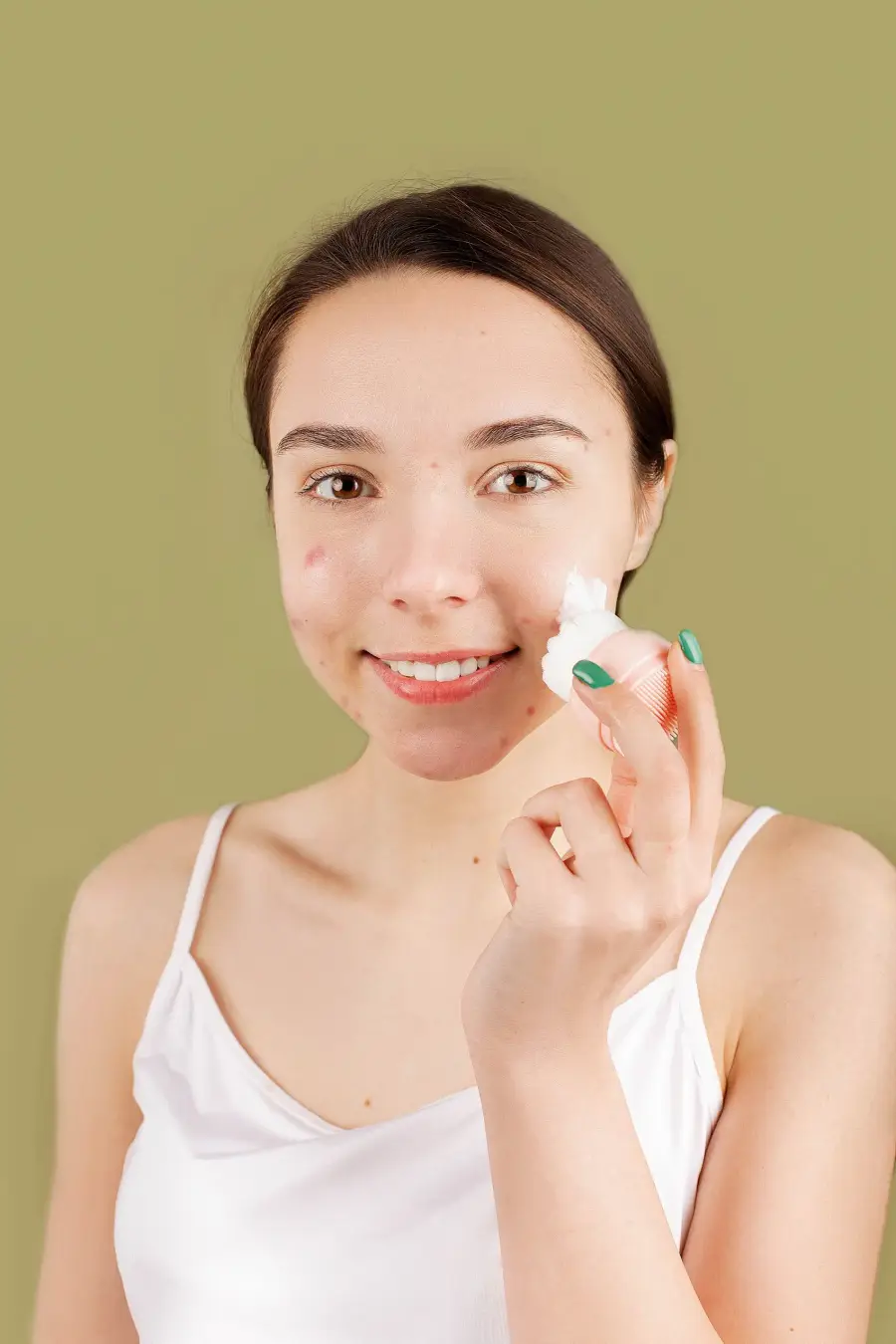
At this stage
What happens to your skin?
01
Collagen production is slowing down
Skin collagen decreases with age and is lower in women than in men at every age. Aging fibroblasts produce less collagen; in your 30s, this change is first noticed as smile lines and fine lines around the eyes.
02
The sun's bill is coming due
About 80% of visible facial aging was found to be associated with UV, and dark spots in particular were linked to sun exposure. Sun spots that appear on the cheeks and forehead in your 30s are traces of past years in the sun.
03
Acne may persist
35.2% of women aged 30–39 reported having acne; that's almost twice the rate of men the same age. Adult acne tends to show up on the lower face as deeper pimples that take longer to heal.
04
Renewal takes a little longer
The renewal time of the outer skin layer lengthens with age; although the decline accelerates after 50, dull-looking skin and marks that take longer to fade in your 30s are the first signs of this slowdown.
05
Moisture-holding capacity is decreasing
The skin's water-binding molecules and barrier lipids gradually decline. In winter, tightness and flaking may feel more noticeable than in your 20s.
06
Lifestyle shows on your skin
Stress, lack of sleep, pregnancy, medications and changing skincare habits affect your skin's balance. It's not surprising if your skin reacts differently to products you've used for years during this period.
From within
The effect of hormones
In your 30s, the hormonal cycle is still regular for most women, but pregnancy, breastfeeding, birth control methods and thyroid issues make this a hormonally eventful period. Pregnancy and the postpartum period are when skin and hair change fastest; melasma, hair loss and breakouts can appear with these transitions.
Chronic stress raises cortisol; cortisol can stimulate the oil glands, slow barrier repair and affect the hair cycle. Toward the late 30s, progesterone begins to drop in some women and periods may change slightly; these can be the very early, quiet first steps of perimenopause.
Focus
Priorities at this age
01
Making a retinoid part of your routine
Retinol and other vitamin A derivatives are the most researched ingredients in anti-wrinkle care, supporting collagen production. Working up to 3–4 evenings a week and staying consistent is the key step of skincare in your 30s.
02
Never skipping sun protection
Aging was shown to progress 24% more slowly in people who used sunscreen every day. This protection is even more important while you're using a retinoid.
03
Acting early on dark spots
Vitamin C, niacinamide and azelaic acid help reduce the appearance of dark spots. If you suspect melasma, avoid harsh peels and consult a dermatologist.
04
Strengthening the barrier with moisture
Moisturizers with ceramides, peptides and hyaluronic acid both balance the side effects of active treatments and support a plump look.
05
Eye area and neck
Aging shows first on thin skin. Applying sunscreen and moisturizer to your neck, chest and the backs of your hands should become a habit too.

30s · Ages 30–39
Smart care for a slowing rhythm: protect, repair, maintain
Step by step
Skin routine
- 1
Gentle cleansing
Use a creamy or gel, soap-free cleanser. If you're using a retinoid, your morning cleanse should be even gentler.
- 2
Antioxidant serum
A serum with vitamin C, or vitamin C with vitamin E, supports your sunscreen's protective effect and helps reduce the appearance of dark spots.
- 3
Niacinamide (optional)
Niacinamide is a well-tolerated ingredient that supports the production of barrier lipids, the look of pores and an even tone.
- 4
Moisturizer
A cream with peptides, ceramides and prebiotics can help support your skin's moisture balance and microbiome.
- 5
Sunscreen
Choose SPF 50 with high UVA protection. If you're prone to dark spots, tinted formulas with iron oxides add extra protection against visible light too.
What you can add to your routine
Think about your microbiome when using retinoids
Strong actives can strain the barrier and the microbiome. Using a moisturizer with prebiotics can help support this balance.
Probiotic skincare
Products with probiotic ingredients applied to the skin can help support comfort in skin prone to redness and sensitivity; research is ongoing.
Care you can use in your routine
EcoProbiotic care range ↗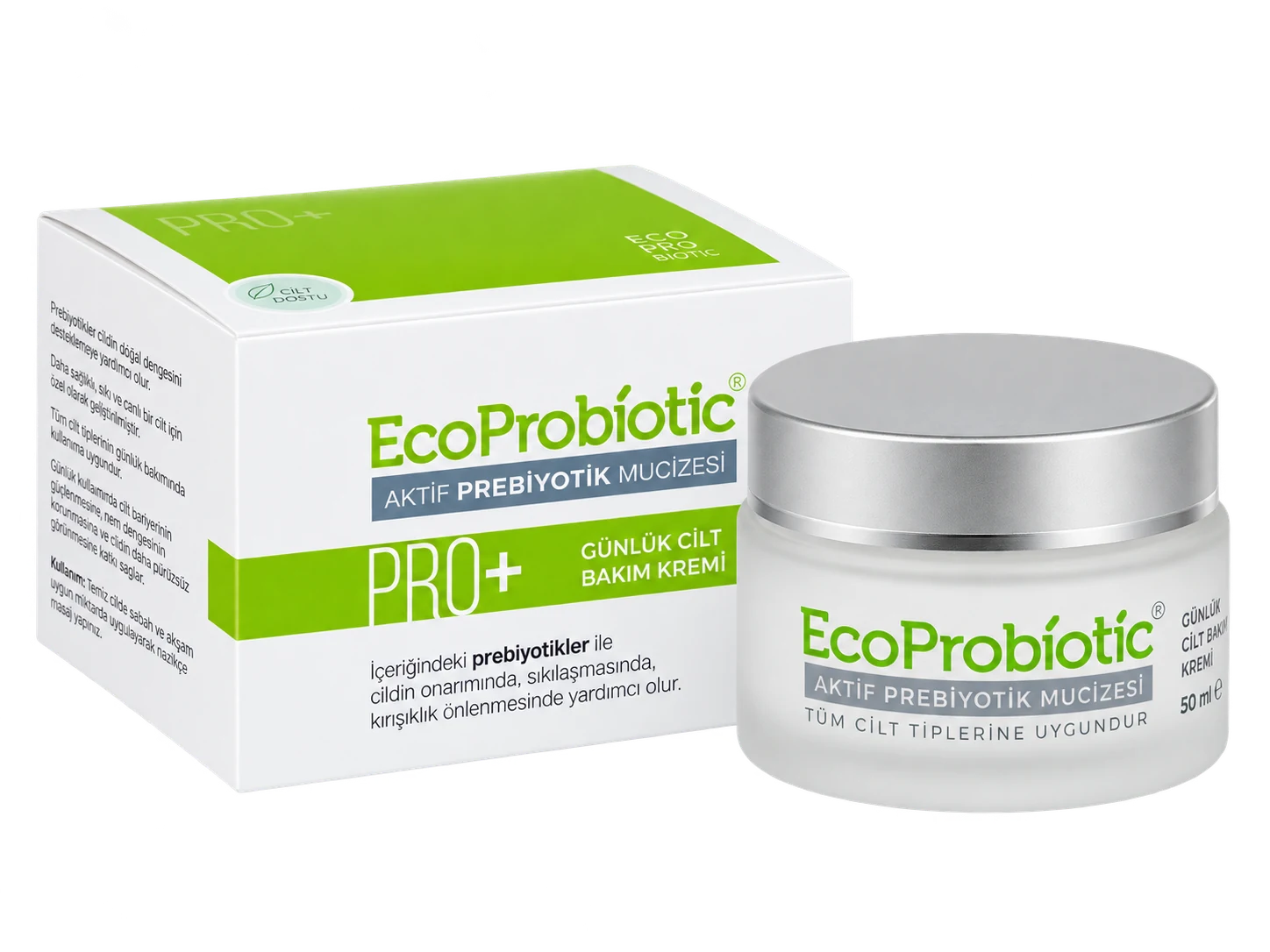 MoisturisingPrebiotic Skin CreamMoisturises the skin and helps repair the barrier. Available in three formulas: for all, dry and oily skin.View ↗
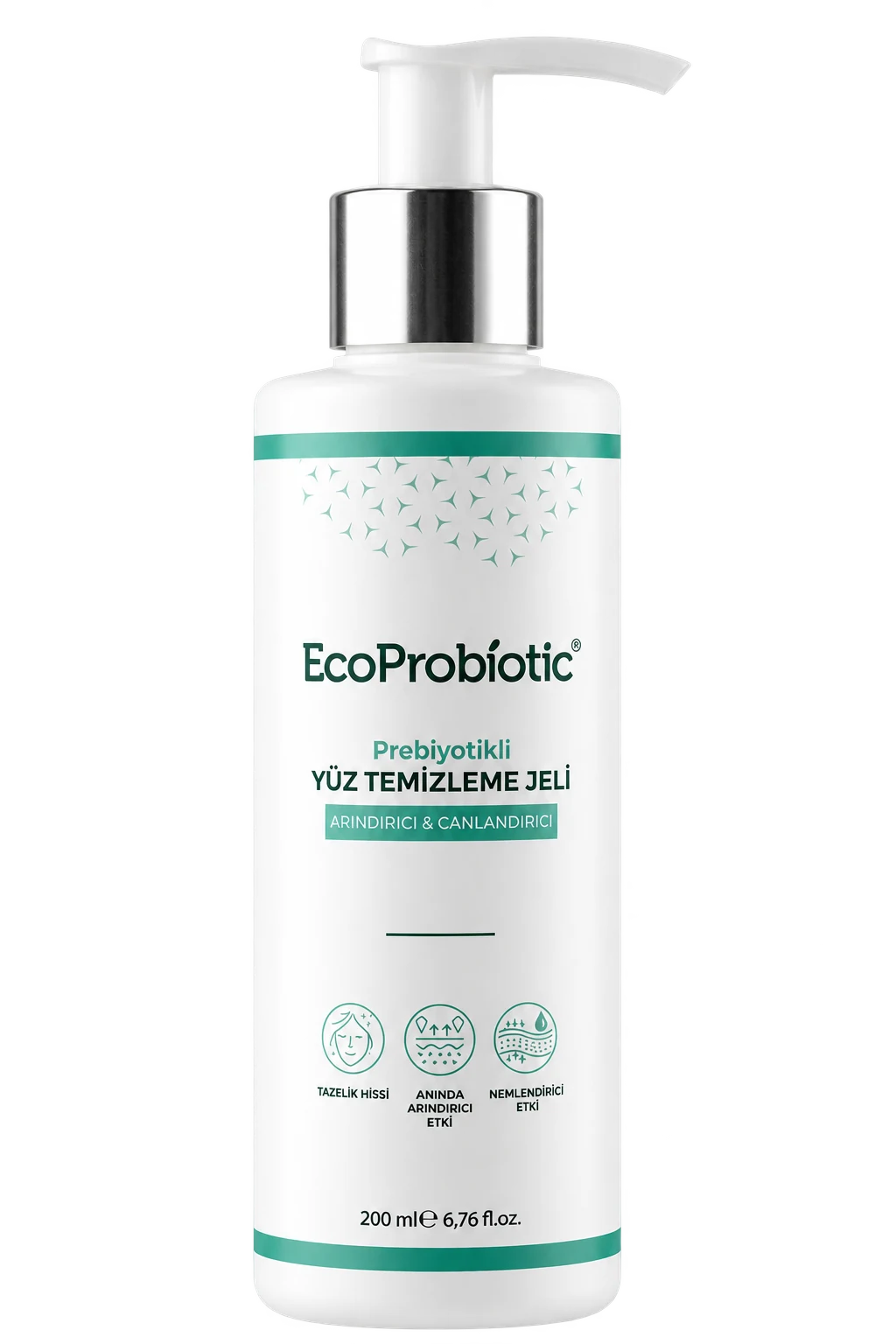 CleansingPrebiotic Face Cleansing GelRemoves make-up and the day’s grime with a gentle foam, supporting the skin barrier as it cleanses. Morning and evening.View ↗
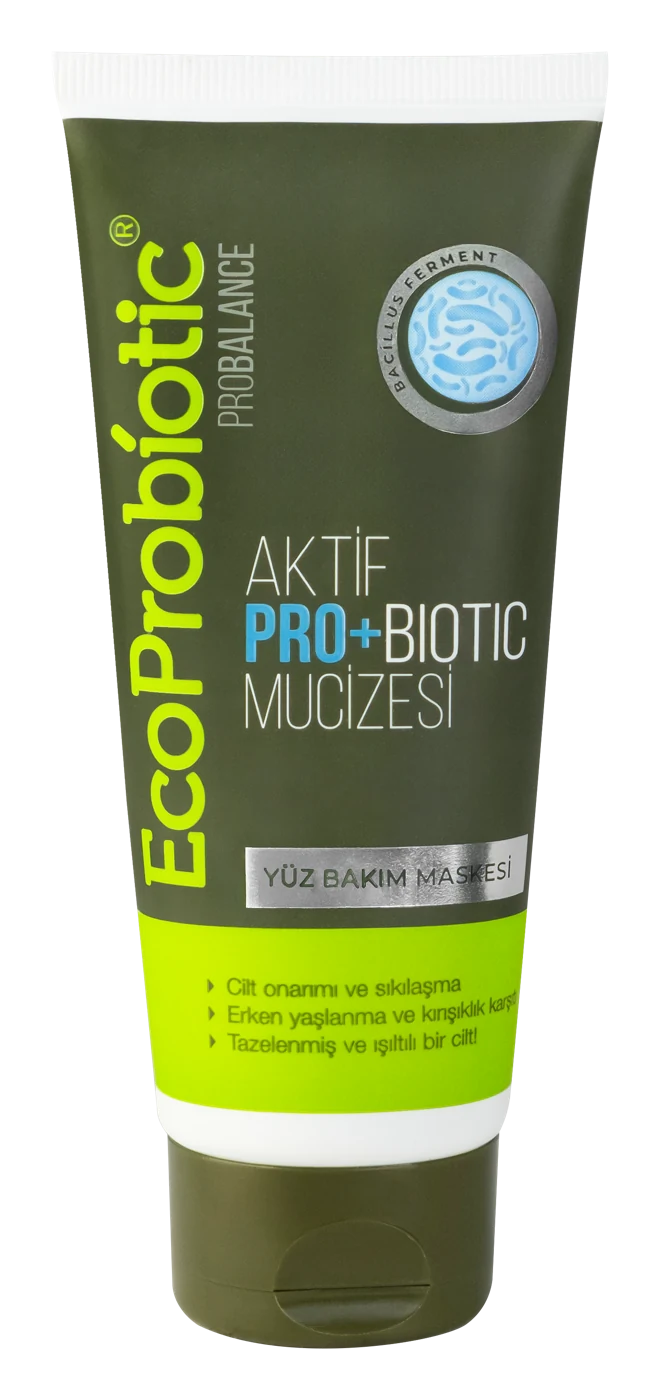 Weekly carePrebiotic Volcanic Clay MaskAbsorbs excess oil and dirt from the surface, purifying while supporting the barrier. Once or twice a week, for ten minutes.View ↗
Hair and scalp
Hair routine
- 1
Add scalp care to your routine
Using a scalp scrub or clarifying shampoo once a week reduces product buildup. If your scalp is dry, choose moisturizing scalp serums.
- 2
Be prepared for postpartum shedding
You may notice increased shedding in the months after giving birth. During this time, gentle combing, avoiding tight hairstyles and balanced nutrition are important.
- 3
Stress and hair
Shedding that begins within 2–3 months after intense stress, a strict diet or illness is telogen effluvium. Once the trigger passes, hair usually recovers.
- 4
Managing heat and color
The first gray hairs may start to appear in your 30s. As you color more often, watch for scalp irritation, and use bond-building treatments and a weekly mask.
- 5
Watch for early signs of thinning
If you notice your part widening or your ponytail getting thinner, it may be the early onset of female pattern hair loss; early evaluation opens up more options.
Most common
Common concerns
Melasma
Symmetrical brown patches triggered by pregnancy, birth control pills and sun. The 30s are one of the most common times for it to begin.
Read in the atlas →Adult acne
It affects more than a third of women in this age group. It shows up on the lower face as deep, cyclical breakouts.
Read in the atlas →Rosacea
Persistent redness on the cheeks and nose, a feeling of facial warmth and pimple-like bumps. It usually becomes noticeable after your 30s.
Read in the atlas →Premature aging
Fine lines, dark spots and sagging accelerated by sun, smoking and lack of sleep. Protective care can influence the course to a large extent.
Read in the atlas →Dark circles and under-eye bags
They become more noticeable with thin skin, genetics and lack of sleep. Sleep, sun protection and gentle care make a difference.
Read in the atlas →Sensitive skin
With too many active ingredients, stress and hormonal changes, skin can react with burning, stinging and redness.
Read in the atlas →Daily life
Lifestyle
Make sleep your priority
In good sleepers, the barrier recovered 30% better after damage. In this period, when career and family demands grow, sleep is your skin's most basic need.
Protein and vitamin C
Collagen production requires enough protein and vitamin C. Eggs, fish, legumes, peppers, citrus fruits and leafy greens meet this need.
Managing stress
High cortisol can slow barrier repair and increase breakouts. Regular exercise, breathing practices and small moments you set aside for yourself show on your skin too.
Stay away from smoking
Smoking increases the enzymes that break down collagen and reduces blood flow to the skin. Secondhand smoke is harmful to the skin as well.
Be smart in the sun
At midday, use shade, a wide-brimmed hat and sunglasses. Since car windows can let UVA through, protect the side of your face near the window on long drives too.
Popular searches
Most asked about 30s
Your questions
Frequently asked questions
Do I need collagen supplements in my 30s?+
Although some studies on oral collagen peptides show small improvements in hydration and elasticity, the data are limited. Enough protein, vitamin C, sun protection and retinoid use are a stronger foundation.
Can retinol and vitamin C be used together?+
They can, but using vitamin C in the morning and retinol in the evening generally reduces irritation and lets you benefit from both.
When do the first fine lines appear?+
It varies from person to person; genetics, sun exposure, smoking and sleep are the deciding factors. Most women notice fine lines around the eyes in their 30s.
I have melasma. Can I get a peel?+
With melasma, harsh peels and lasers can sometimes darken the patches. Talk to your dermatologist first; consistent sun protection and topical care for dark spots are usually the first step.
I'm thinking about having a baby. Should I change my routine?+
If you're planning a pregnancy, it's recommended that you stop using retinoids. Azelaic acid, niacinamide, vitamin C and mineral sunscreen are more suitable options during this time. You can find the details on our pregnancy page.
What should a skincare routine look like in your 30s?+
Morning: gentle cleanser, vitamin C serum, moisturizer and broad-spectrum sunscreen. Evening: double cleansing, retinol 3–4 nights a week, niacinamide or azelaic acid if needed, and a barrier cream. A light, fragrance-free cream is enough for the eye area.
Should I use a wrinkle cream at 30?+
You don't need a cream with an age printed on the box; what matters is the ingredients. Retinoids have the most evidence for wrinkles; vitamin C and peptides can help. And using sunscreen every day is the precondition for preserving the effect of whichever cream you choose.
Why do under-eye wrinkles start in your 30s?+
The skin around the eyes is thinner than the rest of the face and has few oil glands; as collagen production slows, expression lines show up here first. Sunglasses, regular moisturizing, enough sleep and, if your skin tolerates it, low-strength retinol can help slow the deepening of these lines.
Does hair fall out after 30?+
Sudden age-related shedding isn't expected; however, in your 30s, childbirth, intense stress, iron deficiency and thyroid issues can increase shedding. If widespread shedding has lasted a few months, getting your ferritin and thyroid levels checked is the right step, and if you notice thinning along your part, see a dermatologist.
Scientific basis
Sources
- 1.The influence of age and sex on skin thickness, skin collagen and density.
Shuster S, Black MM, McVitie E · British Journal of Dermatology · 1975 · doi:10.1111/j.1365-2133.1975.tb05113.x
Showed that skin collagen decreases with age and is lower in women than in men at every age, and that the amount of collagen is directly related to dermal thickness.
- 2.Decreased collagen production in chronologically aged skin: roles of age-dependent alteration in fibroblast function and defective mechanical stimulation.
Varani J, Dame MK, Rittie L, Fligiel SE, et al. · American Journal of Pathology · 2006 · doi:10.2353/ajpath.2006.051302
Showed that fibroblasts from people aged 18–29 produced markedly more type I procollagen than those from people over 80 (82 vs. 56 ng/ml).
- 3.Effect of the sun on visible clinical signs of aging in Caucasian skin.
Flament F, Bazin R, Laquieze S, Rubert V, et al. · Clinical, Cosmetic and Investigational Dermatology · 2013 · doi:10.2147/CCID.S44686
Reported that in 298 women aged 30–78, about 80% of visible facial aging signs were associated with UV rays, and that dark spots in particular were linked to sun exposure.
- 4.The prevalence of acne in adults 20 years and older.
Collier CN, Harper JC, Cafardi JA, Cantrell WC, et al. · Journal of the American Academy of Dermatology · 2008 · doi:10.1016/j.jaad.2007.06.045
Showed that 50.9% of women reported acne in their 20s, 35.2% in their 30s, 26.3% in their 40s and 15.3% after 50, and that women were affected more often than men in every age group.
- 5.Age-associated changes in human epidermal cell renewal.
Grove GL, Kligman AM · Journal of Gerontology · 1983 · doi:10.1093/geronj/38.2.137
Showed that epidermal renewal, which takes about 20 days in young adults, lengthens by more than 10 days in old age, with the decline accelerating especially after 50.
- 6.Sunscreen and prevention of skin aging: a randomized trial.
Hughes MC, Williams GM, Baker P, Green AC · Annals of Internal Medicine · 2013 · doi:10.7326/0003-4819-158-11-201306040-00002
Showed that after 4.5 years, skin aging progressed 24% less in people who used broad-spectrum sunscreen daily than in those who used it occasionally.
- 7.Does poor sleep quality affect skin ageing?
Oyetakin-White P, Suggs A, Koo B, Matsui MS, et al. · Clinical and Experimental Dermatology · 2015 · doi:10.1111/ced.12455
Showed that in women who slept well, the barrier recovered 30% better 72 hours after damage, and signs of intrinsic aging were lower.
- 8.The role of topical probiotics in skin conditions: A systematic review of animal and human studies and implications for future therapies.
Knackstedt R, Knackstedt T, Gatherwright J · Experimental Dermatology · 2020 · doi:10.1111/exd.14032
Reviewed animal and human studies of probiotics applied to the skin; highlighted promising results in supporting microbiome balance and the need for more research.