At this stage
What happens to your skin?
01
Estrogen is fluctuating
The skin has receptors for estrogen, and estrogen supports collagen, skin thickness, hydration and wound healing. During perimenopause, this hormone becomes irregular, and the skin may reflect this through dryness, sensitivity and loss of elasticity.
02
Collagen loss becomes noticeable
Collagen, which has been slowly declining for years, becomes visible in your 40s as a loss of firmness along the jawline, on the cheeks and around the eyes. Declining estrogen can speed up this process.
03
Moisture and the barrier
Declining estrogen lowers the skin's water-binding glycosaminoglycans and water content. Skin that used to be oily may turn combination or dry; your old products may no longer be enough.
04
Acne may not disappear
26.3% of women aged 40–49 reported having acne. As estrogen drops, the relative effect of androgens can increase; jawline breakouts and facial hair growth may be related to this.
05
Dark spots and tone
With years of sun and hormonal changes, dark spots may become more visible on the cheeks, forehead and backs of the hands. Skin tone may look more uneven and dull.
06
Your skin's balance is changing
The skin's bacterial community also changes with age; in older women, the oil-loving bacteria that dominate in youth were shown to decrease. Along with declining sebum, this transition begins in your 40s.
From within
The effect of hormones
Perimenopause is the transition period lasting from a few to ten years before the final period, and for most women it begins in their 40s. During this time, estrogen doesn't decline steadily; it goes up and down, while progesterone usually decreases earlier. The time between periods changes, and hot flashes, sleep problems and mood swings may start. The skin may reflect these hormonal fluctuations through dryness, redness, unexpected breakouts and sensitivity.
Hair is sensitive to estrogen too; estrogen extends the hair's growth phase. As estrogen declines, the relative effect of androgens increases, which can show up as thinning along the part, a ponytail that loses volume and coarse hairs on the chin. If these symptoms are bothering you, talking through your options with your gynecologist and dermatologist can help you go through this transition more comfortably.
Focus
Priorities at this age
01
Put moisture and the barrier at the center
Switching to richer moisturizers with ceramides, cholesterol, fatty acids and glycerin supports the barrier of skin that's starting to get dry.
02
Stick with your retinoid
Retinoids support collagen production and cell renewal. If your skin has become more sensitive, you can switch to a lower strength or a gentler form and adjust how often you use it.
03
Dark spots and even tone
Vitamin C, niacinamide, azelaic acid and consistent sun protection help even out skin tone. Don't forget to show any new spots, or spots that change shape, to a dermatologist.
04
Respect sensitivity
If burning, stinging and redness on your face are increasing, cut back on fragranced products, harsh peels and frequent product changes. Skin responds well to simplicity in this period.
05
Neck, chest and hands
These areas are where age shows fastest. Extend the sunscreen and moisturizer you apply to your face to these areas too.
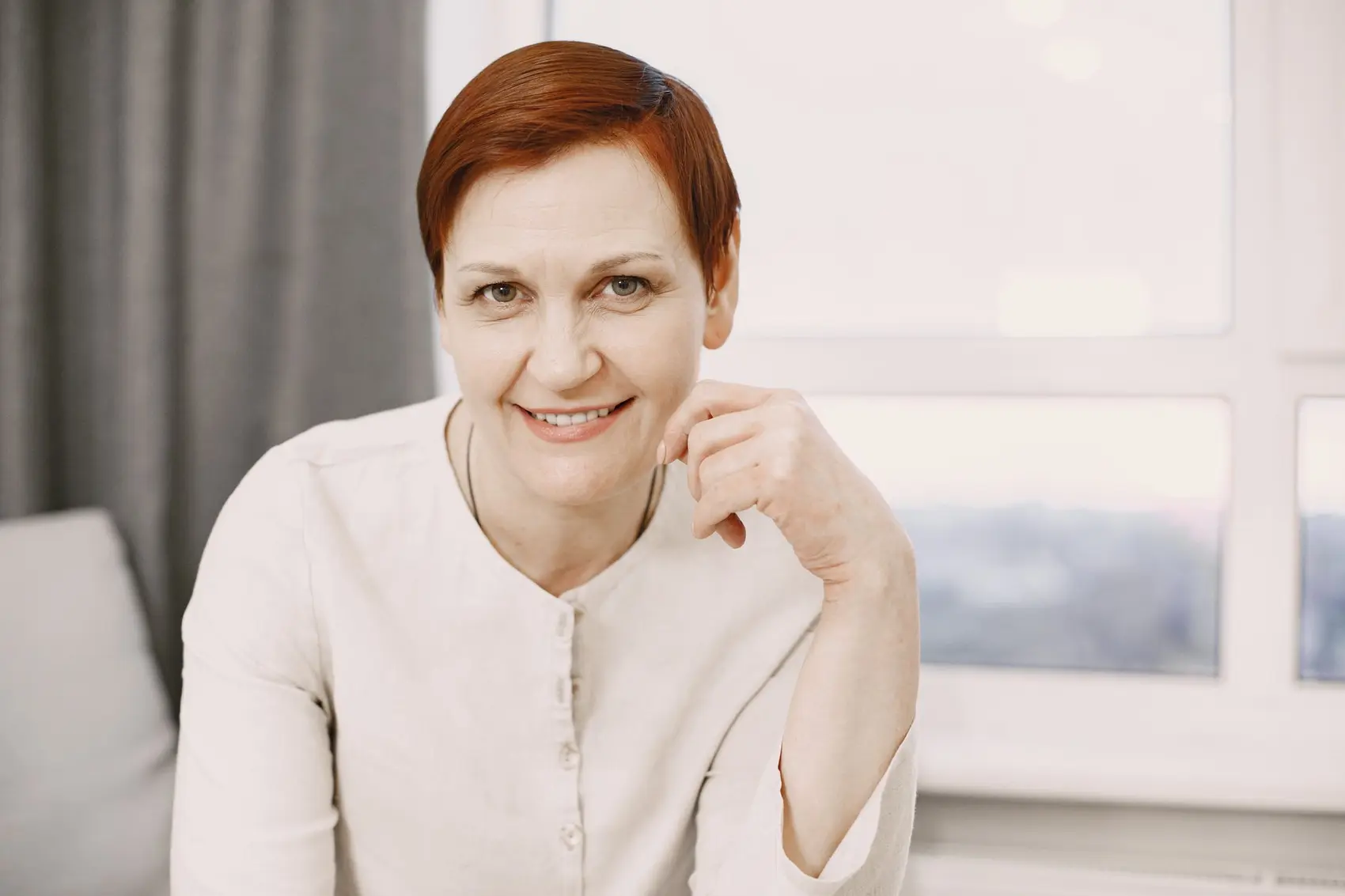
40s · Ages 40–49 (perimenopause)
Understand the change, rediscover your skin
Step by step
Skin routine
- 1
Cream cleanser
Instead of foaming cleansers, choose a cream or milky cleanser that leaves moisture behind. On dry days, lukewarm water alone may be enough in the morning.
- 2
Antioxidant serum
A vitamin C serum helps reduce the appearance of dark spots and oxidative stress. For sensitive skin, gentler vitamin C derivatives may be preferable.
- 3
Hydrating serum
A serum with hyaluronic acid or glycerin helps hold in water when applied to damp skin.
- 4
Rich moisturizer
A cream with ceramides, peptides and prebiotics can help support the barrier and the microbiome.
- 5
Sunscreen
Choose SPF 50 with high UVA protection, ideally with a moisturizing effect. Don't forget your neck and the backs of your hands.
What you can add to your routine
A changing microbiome, changing needs
As sebum decreases, the skin's microbial community changes too. Gentle cleansing and moisturizing with prebiotics are a meaningful start in supporting this new balance.
Barrier support with prebiotics
Products with prebiotic ingredients can help support the barrier's defenses and moisture balance by feeding your skin's friendly bacteria.
Care you can use in your routine
EcoProbiotic care range ↗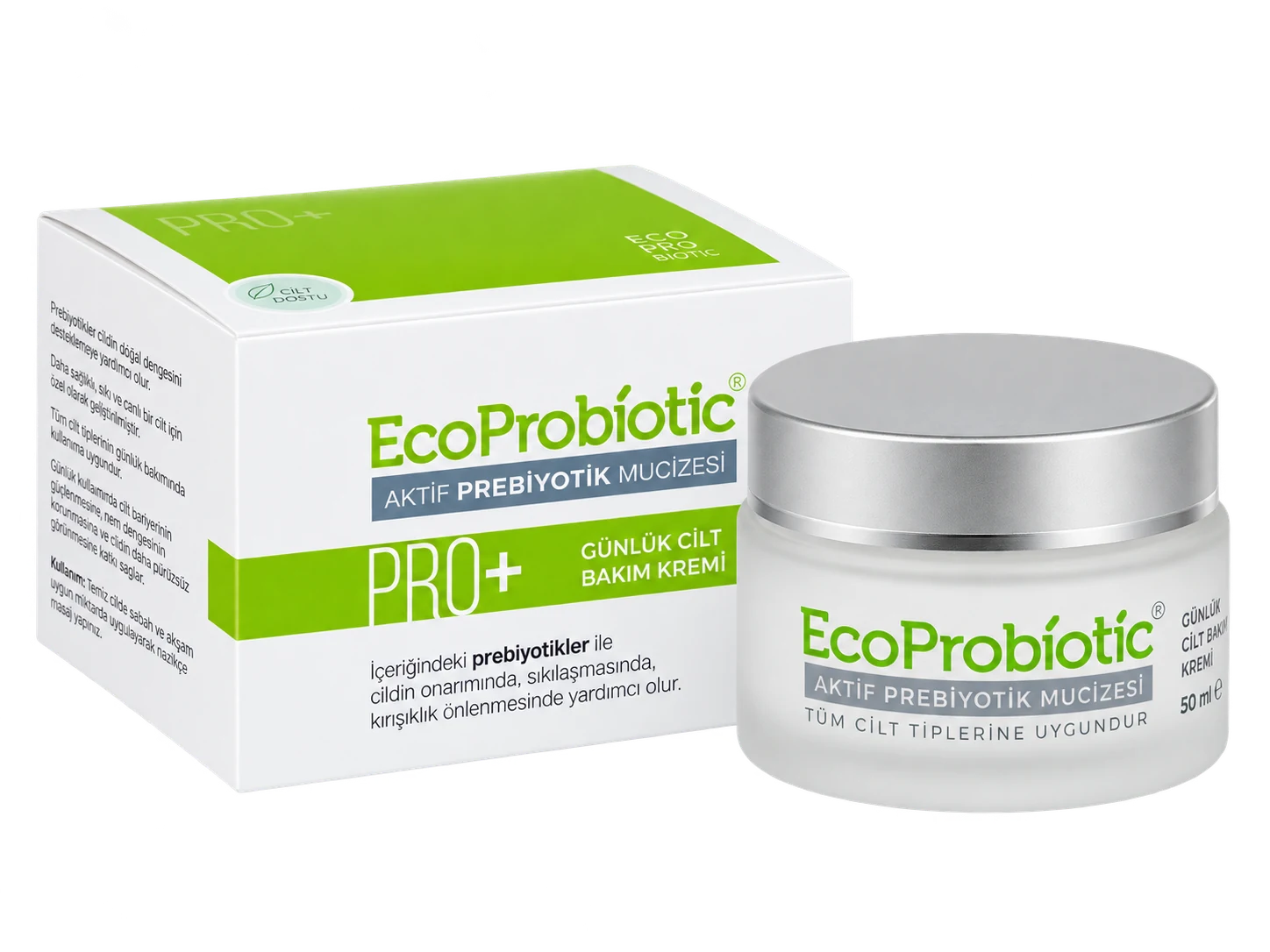 MoisturisingPrebiotic Skin CreamMoisturises the skin and helps repair the barrier. Available in three formulas: for all, dry and oily skin.View ↗
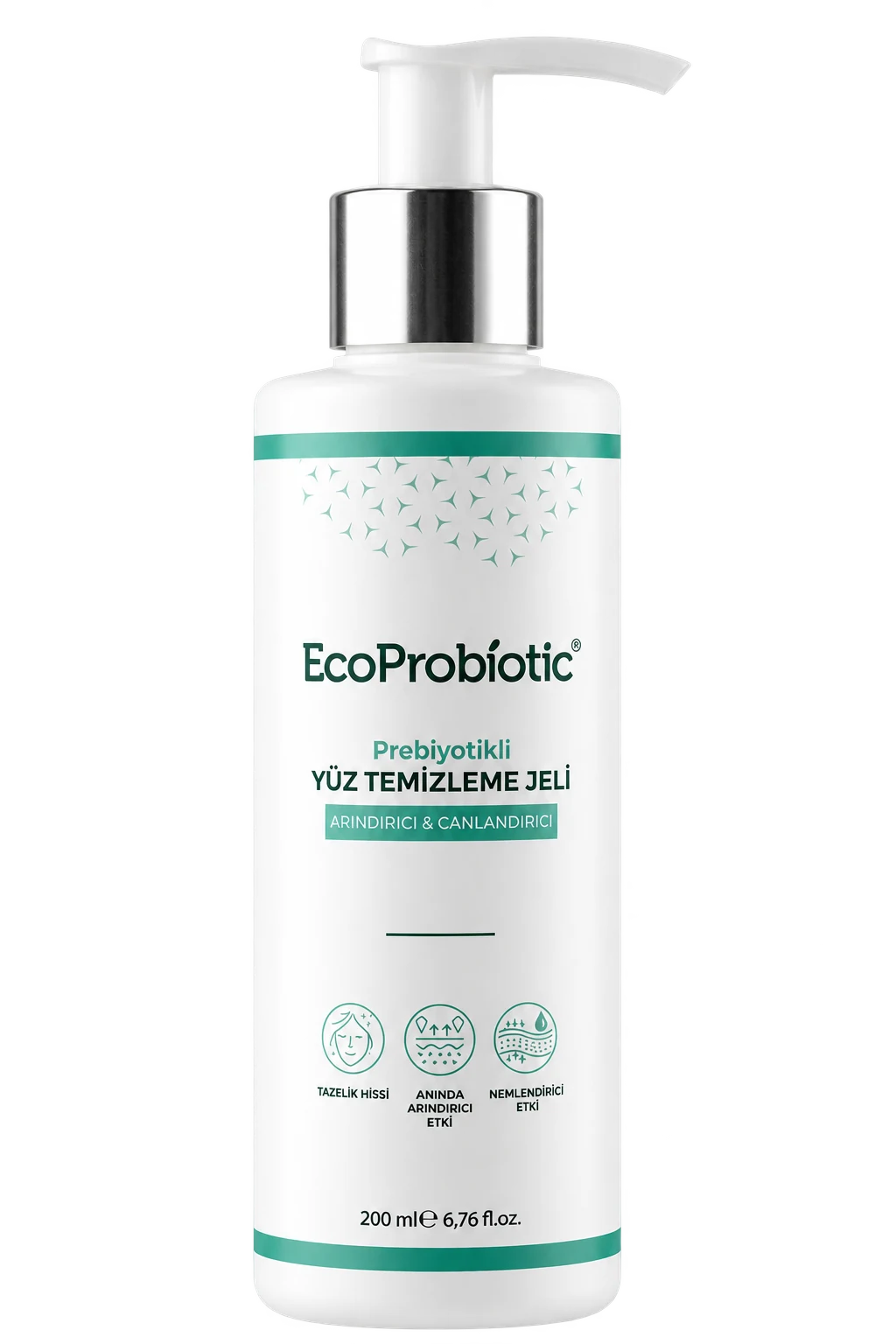 CleansingPrebiotic Face Cleansing GelRemoves make-up and the day’s grime with a gentle foam, supporting the skin barrier as it cleanses. Morning and evening.View ↗
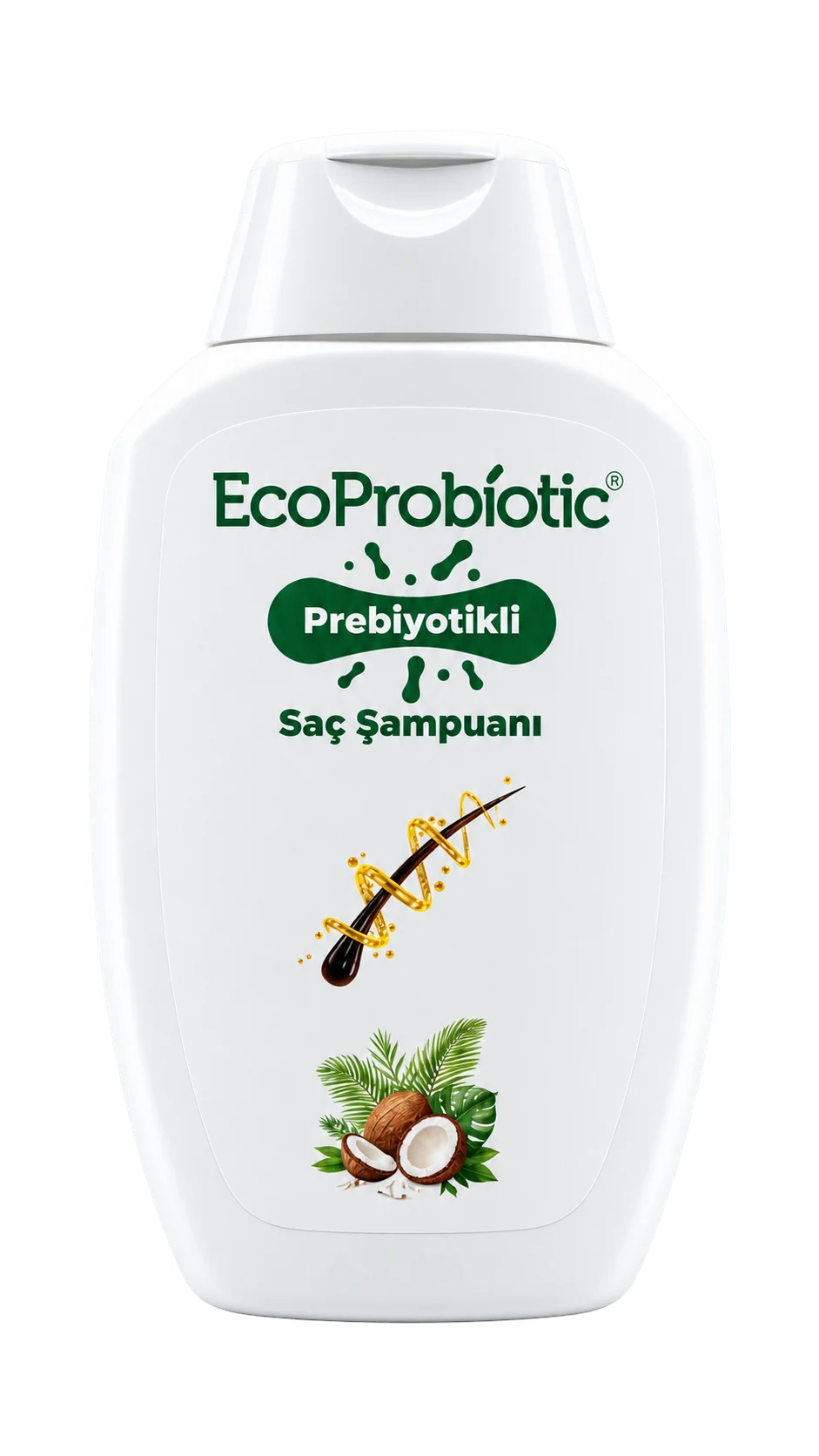 ScalpPrebiotic ShampooGently cleanses your scalp and supports its barrier; you can use it every day.View ↗
Hair and scalp
Hair routine
- 1
Notice the loss of volume
Hair density averages 293 hairs/cm² at age 35 and drops to 211 hairs/cm² by age 70. In your 40s, this decline may start to be felt as a thinner ponytail.
- 2
Nourish your scalp
Like skin, the scalp can get dry. Moisturizing, low-sulfate shampoos and scalp serums help reduce itching and flaking.
- 3
An early approach to female pattern hair loss
If your part is widening, a dermatologist may consider options such as topical minoxidil. The earlier you start, the easier it is to preserve the hair you have.
- 4
Check your blood work
Heavy and irregular bleeding during perimenopause can lead to iron deficiency. Getting your ferritin, thyroid and vitamin D levels checked helps you understand the cause of shedding.
- 5
Gray hair and color
Graying hair can be drier and coarser. If you color your hair, choose formulas that don't irritate the scalp and use a hydrating mask regularly.
Most common
Common concerns
Skin in perimenopause
Dryness, thinning, sensitivity and unexpected breakouts. The face of the hormonal transition as it shows on your skin.
Read in the atlas →Female pattern hair loss
A widening part and thinning at the crown. It can become more visible at this age.
Read in the atlas →Rosacea
Hot flashes and facial flushing can make symptoms worse in skin prone to rosacea.
Read in the atlas →Sun spots
Brown spots on the cheeks, forehead and backs of the hands left behind by years of sun.
Read in the atlas →Adult acne
It occurs in more than a quarter of women in their 40s; it's usually concentrated along the jawline.
Read in the atlas →Barrier damage
Applying active ingredients at the same intensity to skin that's getting drier can strain the barrier; tightness and burning are signs of this.
Read in the atlas →Daily life
Lifestyle
Protecting your sleep
Night sweats can interrupt sleep. A cool bedroom, cotton bedding and regular sleep times are good for both your mood and your skin.
Strength training and movement
In this period, when muscle and bone loss begins, resistance exercise and walking support both overall health and circulation.
Protein and calcium in your diet
Enough protein, calcium, vitamin D and omega-3 fatty acids support your skin and bones.
Alcohol and hot drinks
Alcohol, spicy foods and very hot drinks can trigger facial flushing and hot flashes. Observe your own triggers.
Self-compassion
Your skin and body are changing in this period; this isn't a loss but a new stage. It's a powerful opportunity to get to know yourself better and find the habits that work for you.
Popular searches
Most asked about 40s
Your questions
Frequently asked questions
How do I know if I'm in perimenopause?+
Changes in the time between periods, hot flashes, night sweats, sleep problems and mood swings are the most common signs. Dryness and sensitivity in the skin may come along with them. Your gynecologist can evaluate you based on your symptoms.
Why did my skin suddenly get so dry?+
As estrogen declines, your skin's ability to hold water and its sebum production can drop. Switching to a richer moisturizer and a cream cleanser, and avoiding hot water, make a difference in this period.
Is hormone therapy good for my skin?+
Research shows that hormone therapy may have positive effects on collagen, skin thickness and hydration. However, hormone therapy isn't recommended for the skin alone; the decision should be made together with your doctor based on your overall health.
Is it normal to still get acne in my 40s?+
Yes, it's quite common. More than a quarter of women in their 40s report having acne. Hormonal fluctuations contribute to this; your dermatologist can recommend suitable options.
Should I stop using retinol?+
Usually not. If your skin has become more sensitive, you can use it less often, switch to a gentler form or use it together with a moisturizer. Retinoids remain one of the most valuable ingredients in this period too.
What should skincare look like for women over 40?+
In the morning, a cream or gel cleanser, vitamin C, a rich moisturizer and broad-spectrum sunscreen; in the evening, a retinoid and a ceramide cream are the foundation of this period. If your skin has gotten dry, dropping foaming cleansers and alcohol-based toners and adding a weekly hydrating mask make a difference.
What can be done about wrinkles and sagging at 40?+
The at-home steps with the most evidence are daily sunscreen and regular retinoid use; peptides and humectants help. For noticeable sagging or deep lines, you can discuss procedures such as laser, radiofrequency or fillers based on your dermatologist's evaluation.
How long does perimenopause last?+
Perimenopause is a transition period that can last from a few years up to ten years before the final period, and for most women it begins in their 40s. Once you've gone 12 months without a period, you're considered to have reached menopause; changes in skin and hair also progress gradually over this time.
Scientific basis
Sources
- 1.Estrogens and aging skin.
Thornton MJ · Dermato-Endocrinology · 2013 · doi:10.4161/derm.23872
Reviewed how type I and III skin collagen can drop by up to 30% in the first five years after menopause, and the role of estrogen in skin thickness, hydration and wound healing.
- 2.Estrogen and skin: the effects of estrogen, menopause, and hormone replacement therapy on the skin.
Hall G, Phillips TJ · Journal of the American Academy of Dermatology · 2005 · doi:10.1016/j.jaad.2004.08.039
Reviewed how declining estrogen is associated with loss of collagen, thickness, elasticity and moisture in the skin, and the effects of hormone therapy on these parameters.
- 3.Skin aging and menopause : implications for treatment.
Raine-Fenning NJ, Brincat MP, Muscat-Baron Y · American Journal of Clinical Dermatology · 2003 · doi:10.2165/00128071-200304060-00001
Reviewed how the drop in estrogen at menopause reduces collagen, water-binding glycosaminoglycans and the skin's water content, and noted that hair loss is also associated with this period.
- 4.Skin, hair and beyond: the impact of menopause.
Zouboulis CC, Blume-Peytavi U, Kosmadaki M, Roó E, et al. · Climacteric · 2022 · doi:10.1080/13697137.2022.2050206
Reviewed how menopause can lead to dryness, itching, thinning and sagging of the skin, and reduced density and texture changes in hair, and how these symptoms affect quality of life.
- 5.The prevalence of acne in adults 20 years and older.
Collier CN, Harper JC, Cafardi JA, Cantrell WC, et al. · Journal of the American Academy of Dermatology · 2008 · doi:10.1016/j.jaad.2007.06.045
Showed that 50.9% of women reported acne in their 20s, 35.2% in their 30s, 26.3% in their 40s and 15.3% after 50, and that women were affected more often than men in every age group.
- 6.Hair density, hair diameter and the prevalence of female pattern hair loss.
Birch MP, Messenger JF, Messenger AG · British Journal of Dermatology · 2001 · doi:10.1046/j.1365-2133.2001.04018.x
Showed that female pattern hair loss affects 6% of women under 50 and 38% of those 70 and older, and that hair density averages 293 hairs/cm² at age 35 and 211 hairs/cm² at age 70.
- 7.Aging-related changes in the diversity of women's skin microbiomes associated with oral bacteria.
Shibagaki N, Suda W, Clavaud C, Bastien P, et al. · Scientific Reports · 2017 · doi:10.1038/s41598-017-10834-9
Showed that the cheek and forehead microbiome of women aged 60–76 was more diverse than that of women aged 21–37, with fewer of the oil-loving bacteria that dominate in younger skin and more bacteria of oral origin.
- 8.The Gut Microbiome as a Major Regulator of the Gut-Skin Axis.
Salem I, Ramser A, Isham N, Ghannoum MA · Frontiers in Microbiology · 2018 · doi:10.3389/fmicb.2018.01459
Reviewed how the gut microbiome can influence skin renewal and immune responses through immune and inflammatory signals (the gut-skin axis).