At this stage
What happens to your skin?
01
Collagen loss is speeding up
Type I and III skin collagen has been reported to drop by up to 30% in the first five years after menopause. In the years that follow, skin collagen, skin thickness and bone mass continue to decline in a similar way, by about 1–2% per year.
02
Sebum is decreasing
In women, sebum production gradually declines after menopause. Skin may feel drier, duller and tighter; even a T-zone that used to be oily can get dry.
03
The skin's acid balance is disrupted
Between the ages of 50 and 80, the skin's mildly acidic pH rises. This slows the maturation of barrier lipids and makes skin prone to dryness and itching. Care that gently acidifies the skin was shown to be able to correct this problem.
04
Cell renewal is slowing down
The renewal time of the outer skin layer lengthens noticeably after 50. Dead cells stay on the surface longer, skin becomes dull and wounds heal more slowly.
05
Thinning and sagging
Declining estrogen reduces water-binding molecules along with collagen. Skin gets thinner and loses elasticity; sagging becomes more visible along the jawline and neck.
06
Your skin's bacterial community is changing
The skin's bacterial community in women aged 56–63 was shown to have a different structure compared with women aged 25–35. With declining sebum, the oil-loving bacteria that dominate in youth also decrease.
From within
The effect of hormones
Menopause is diagnosed after 12 months without a period; for most women it happens between the ages of 45 and 55. During this time, the ovaries' estrogen production drops significantly. Because the skin has estrogen receptors, collagen, skin thickness, hydration, blood flow and wound healing are directly affected by this drop. Hot flashes can cause facial redness and sweating, while sleep problems can make it harder for the barrier to recover.
As estrogen declines, the relative effect of androgens increases: thinning on the scalp and coarse hairs on the chin and upper lip are related to this balance. Although hormone therapy has been shown to have positive effects on collagen and skin thickness, it isn't recommended for skin and hair symptoms alone; the decision should be made jointly with your doctor, taking bone, cardiovascular and breast health into account.
Focus
Priorities at this age
01
Rebuild the barrier
Moisturizers that combine ceramides, cholesterol and fatty acids help replace barrier lipids. This is the most fundamental step of your 50s.
02
Mildly acidic care
pH-balanced, mildly acidic cleansers and hydrating acids like lactic acid help support the skin's acid balance.
03
Collagen support
Retinoids, peptides and vitamin C are ingredients that support collagen production. If a retinoid irritates your skin, you can try gentler forms and less frequent use.
04
Sun protection
Most visible signs of aging come from UV, and that's true at every age. Sunscreen helps reduce the risk of dark spots and skin cancer.
05
Don't forget the skin on your body
Dryness and itching increase not only on the face but also on the legs and back. Applying body moisturizer within three minutes of showering is very effective.
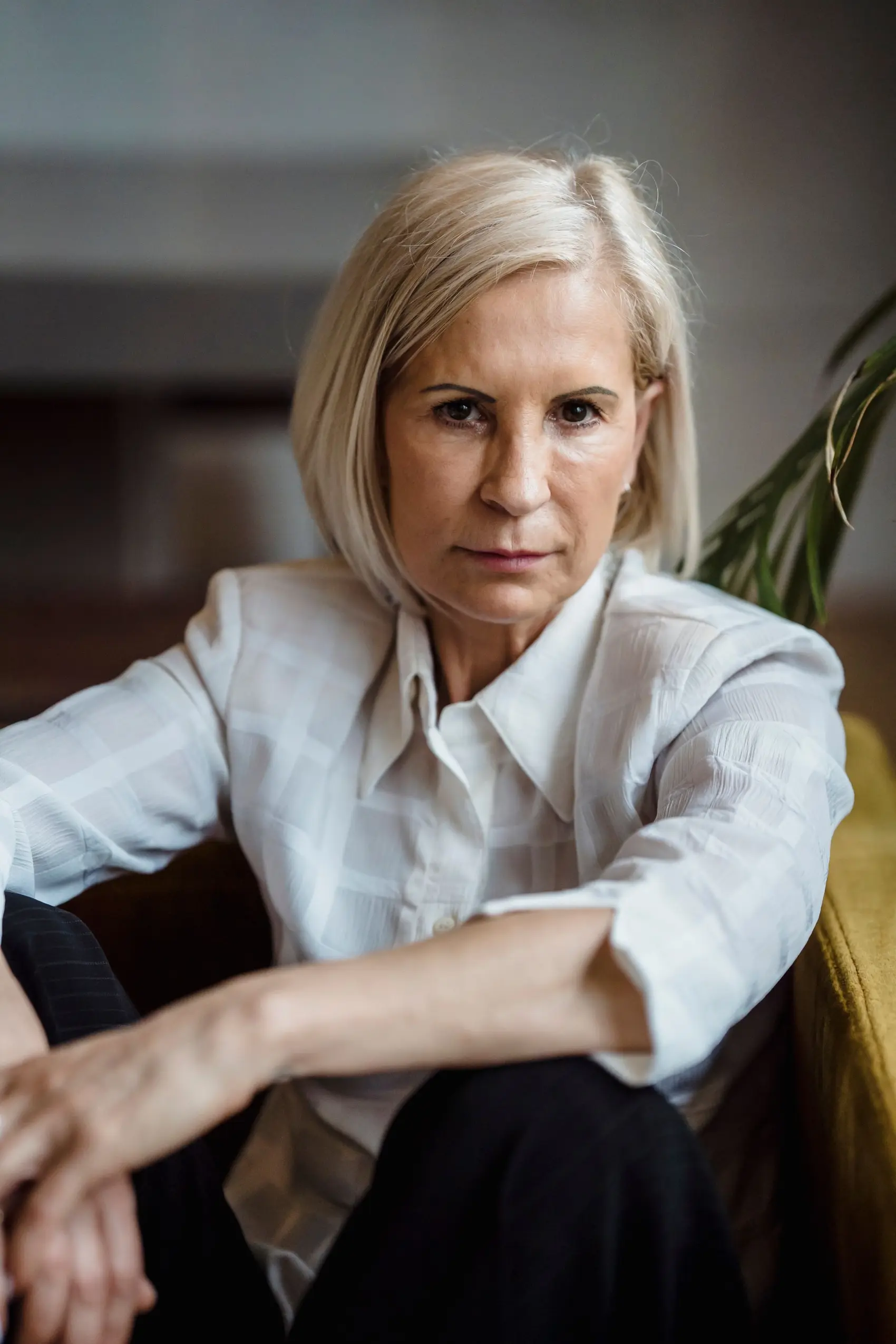
50s · Ages 50–59 (menopause)
The new skin that comes with menopause: strengthen, nourish, embrace
Step by step
Skin routine
- 1
Water or a milky cleanser
In the morning, lukewarm water alone or a non-foaming, milky cleanser is enough. Hot water quickly strips the skin's oils.
- 2
Antioxidant serum
A serum with vitamin C or niacinamide helps even out tone and support the skin against oxidative stress.
- 3
Hydrating serum
Apply a serum with hyaluronic acid and glycerin to damp skin, then always seal it in with a moisturizer.
- 4
Rich, repairing cream
A cream with ceramides, peptides and prebiotics can help support the barrier and the microbiome.
- 5
Sunscreen
Choose an SPF 50 product with a moisturizing texture. Include your neck, chest and the backs of your hands.
What you can add to your routine
Less sebum, a different microbiome
As sebum decreases, oil-loving bacteria decrease and the microbiome shifts to a new balance. Supporting this balance may contribute to the barrier's resilience.
pH and the microbiome go hand in hand
The skin's mildly acidic environment is important for friendly bacteria to thrive. Mildly acidic cleansers and soap-free products help support the microbiome.
Care you can use in your routine
EcoProbiotic care range ↗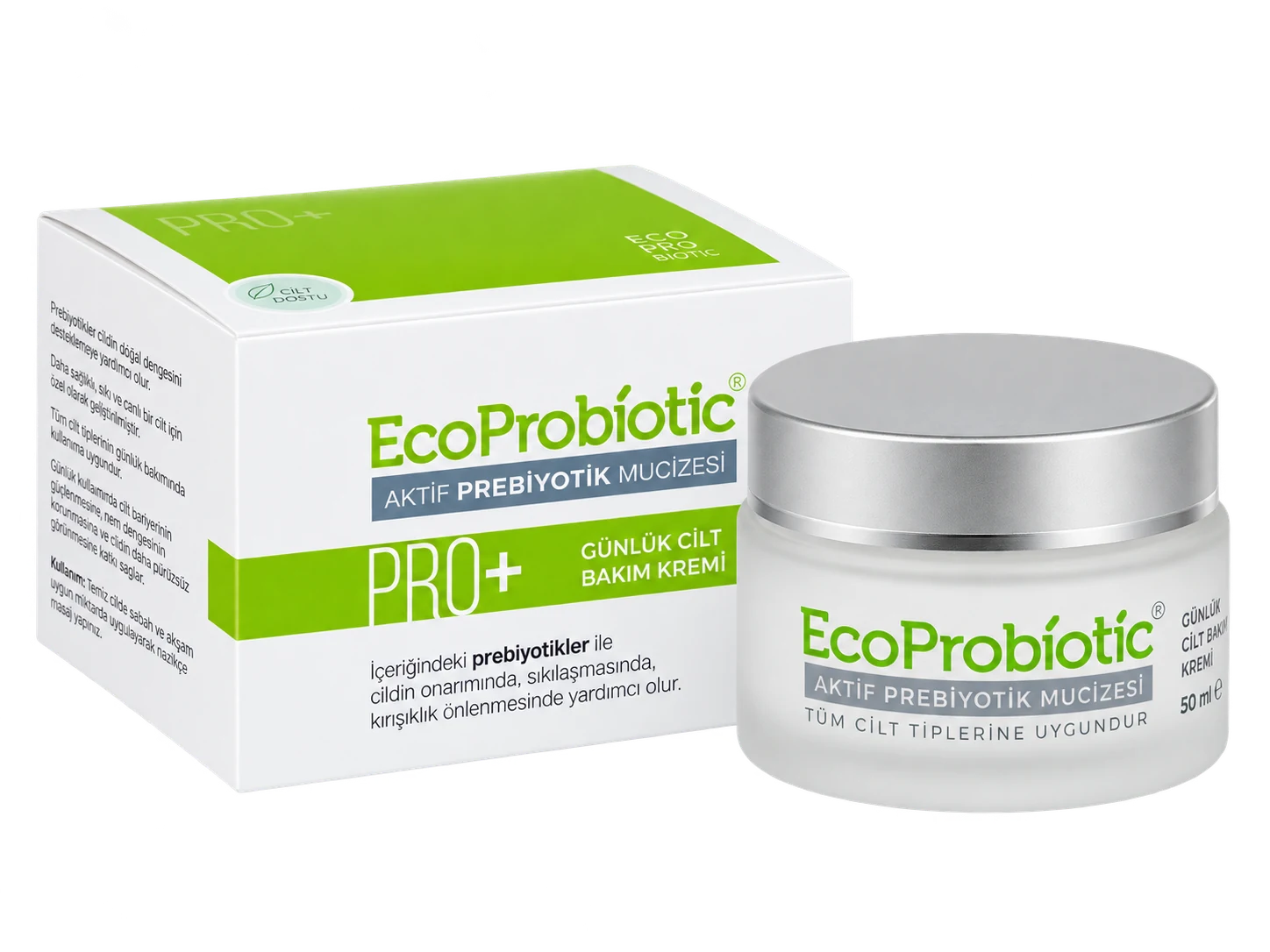 MoisturisingPrebiotic Skin CreamMoisturises the skin and helps repair the barrier. Available in three formulas: for all, dry and oily skin.View ↗
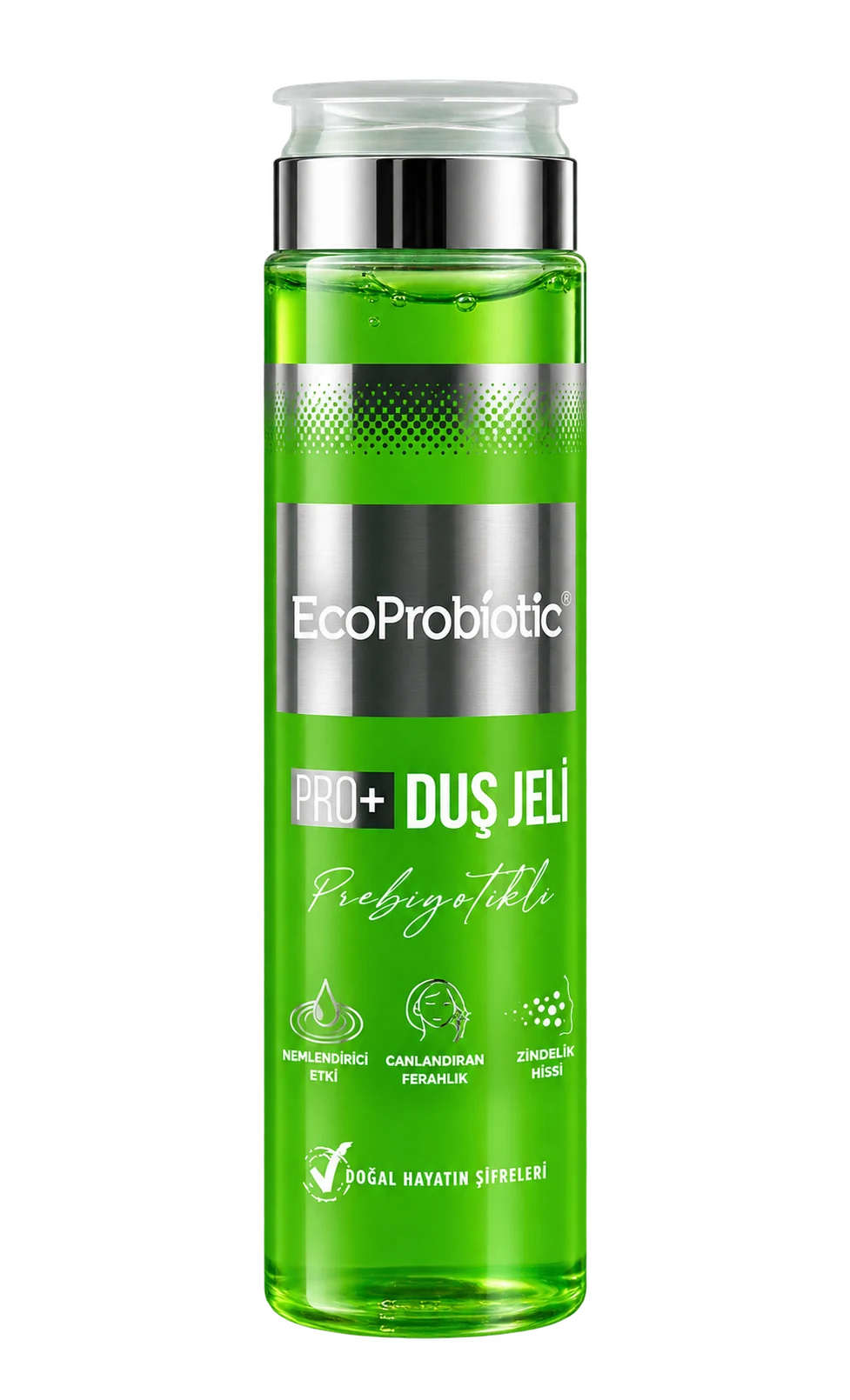 BodyPrebiotic Shower GelMoisturises the skin as it cleanses and supports the barrier; a fresh feeling all day.View ↗
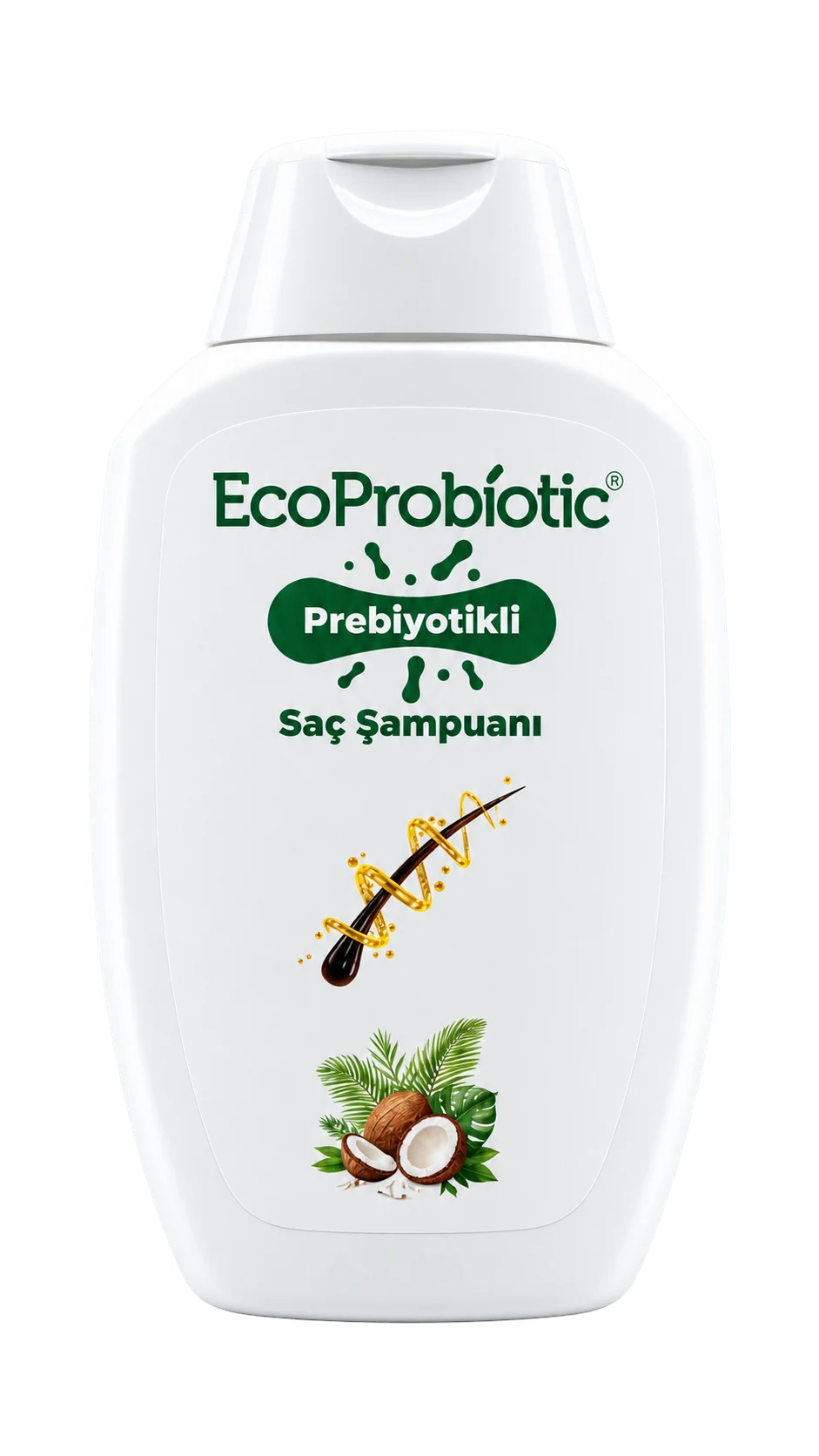 ScalpPrebiotic ShampooGently cleanses your scalp and supports its barrier; you can use it every day.View ↗
Hair and scalp
Hair routine
- 1
Approach thinning gently
During menopause, hair growth and density may decrease. Choose volumizing, lightweight shampoos and care that doesn't irritate the scalp; if shedding is noticeable, see a dermatologist.
- 2
Dry scalp
As sebum decreases, the scalp also gets dry and may itch. Washing your hair less often, using lukewarm water and moisturizing scalp care bring relief.
- 3
Texture changes
Hair strands get finer, curl pattern and texture can change, and gray hairs feel coarser. A weekly hydrating mask and leave-in conditioners protect the strands.
- 4
Reduce heat
Thinning hair is more sensitive to heat. Use your blow dryer on medium heat, limit your flat iron and always apply a heat protectant.
- 5
Unwanted hair
Coarse hairs on the chin and upper lip may increase. If the increase is rapid and noticeable, talk to your doctor about a hormonal evaluation.
Most common
Common concerns
Skin in menopause
Dryness, thinning, itching, sagging and slow healing. The face of declining estrogen as it shows on your skin.
Read in the atlas →Female pattern hair loss
Thinning at the crown and along the part. It can become more noticeable after menopause.
Read in the atlas →Dark spots
Brown spots that build up on the face, hands and chest from years of sun.
Read in the atlas →Rosacea
Redness triggered by hot flashes can make rosacea symptoms worse.
Read in the atlas →Sensitive skin
Thinner, drier skin may react with burning and stinging to products you used to use without any problems.
Read in the atlas →Seborrheic dermatitis
Red flaking along the sides of the nose, on the eyebrows and on the scalp; it can flare up with stress and seasonal changes.
Read in the atlas →Daily life
Lifestyle
Bones and skin speak the same language
Skin collagen and bone mass were shown to decline in parallel after menopause. Calcium, vitamin D, protein and resistance exercise support both at once.
Manage hot flashes
Dressing in layers, staying in cool environments and cutting back on alcohol and spicy food can ease hot flashes, which in turn reduces facial flushing and skin sensitivity.
Sleep hygiene
Regular sleep times, a cool room and avoiding caffeine in the evening support sleep. Sleep is when barrier repair is most efficient.
Water and a humid environment
In winter months with central heating radiators running, using a room humidifier and drinking enough water throughout the day improve your skin's comfort.
Social and mental vitality
Stress management, friendships and new hobbies indirectly nourish both your mental health and your skin. This age is the perfect time to make time for yourself.
Popular searches
Most asked about 50s
Your questions
Frequently asked questions
How much collagen is lost during menopause?+
Research shows that skin collagen can drop by up to 30% in the first five years after menopause and then continues to decline by about 1–2% per year. Sun protection, retinoids and good barrier care support your skin through this process.
Why is my body so itchy?+
Declining sebum, rising skin pH and fewer barrier lipids lead to dryness and itching. Short, lukewarm showers, soap-free cleansers and a rich moisturizer after showering usually bring relief. If the itching doesn't go away, see your doctor.
Does hormone therapy help with hair loss?+
Hormone therapy isn't recommended for hair and skin symptoms alone. Hair loss may be caused by iron deficiency, thyroid issues or female pattern hair loss; your dermatologist will evaluate options that target the cause.
Is it too late to start retinol after 50?+
No. Even in people with an average age of 87, retinol was shown to reduce fine wrinkles and increase collagen production. Starting with a low strength and using it infrequently is enough.
My skin isn't oily anymore. Should I change my products?+
Most likely, yes. Instead of foaming cleansers and mattifying products, cream cleansers, ceramide moisturizers and hydrating serums better suit the needs of this period.
What helps dry skin during menopause?+
Short, lukewarm showers, a soap-free cream cleanser and a rich moisturizer with ceramides, glycerin or urea applied right after showering are the most effective steps. Mildly acidic products were shown to support the skin's pH balance and barrier lipids; a room humidifier also makes a difference in winter.
Does menopause cause hair loss, and when does it stop?+
Yes; as estrogen declines, hair density and strand thickness can decrease. This thinning may not stop on its own, but it can be slowed when addressed early. After checking your iron, thyroid and vitamin D levels, your dermatologist can evaluate options for female pattern hair loss.
Can menopause cause facial acne and hair growth?+
It can. As estrogen drops, the relative effect of androgens increases; in some women this shows up as jawline breakouts and coarse facial hair. Gentle care and ingredients like azelaic acid can help with breakouts; for sudden, noticeable hair growth, see your doctor for a hormonal evaluation.
Scientific basis
Sources
- 1.Estrogens and aging skin.
Thornton MJ · Dermato-Endocrinology · 2013 · doi:10.4161/derm.23872
Reviewed how type I and III skin collagen can drop by up to 30% in the first five years after menopause, and the role of estrogen in skin thickness, hydration and wound healing.
- 2.A study of the decrease of skin collagen content, skin thickness, and bone mass in the postmenopausal woman.
Brincat M, Kabalan S, Studd JW, Moniz CF, et al. · Obstetrics and Gynecology · 1987
Showed that after menopause, skin collagen, skin thickness and bone mass decline in a similar way, by about 1–2% per year.
- 3.Age-related changes in sebaceous gland activity.
Pochi PE, Strauss JS, Downing DT · Journal of Investigative Dermatology · 1979 · doi:10.1111/1523-1747.ep12532792
Showed that sebum production rises with androgens at puberty, peaks in late adolescence and, in women, gradually declines after menopause.
- 4.Stratum corneum acidification is impaired in moderately aged human and murine skin.
Choi EH, Man MQ, Xu P, Xin S, et al. · Journal of Investigative Dermatology · 2007 · doi:10.1038/sj.jid.5700913
Showed that between ages 50 and 80 the skin's acid balance (pH) is disrupted, slowing the maturation of barrier lipids, and that skin care that acidifies the skin could correct this problem.
- 5.Age-associated changes in human epidermal cell renewal.
Grove GL, Kligman AM · Journal of Gerontology · 1983 · doi:10.1093/geronj/38.2.137
Showed that epidermal renewal, which takes about 20 days in young adults, lengthens by more than 10 days in old age, with the decline accelerating especially after 50.
- 6.Skin, hair and beyond: the impact of menopause.
Zouboulis CC, Blume-Peytavi U, Kosmadaki M, Roó E, et al. · Climacteric · 2022 · doi:10.1080/13697137.2022.2050206
Reviewed how menopause can lead to dryness, itching, thinning and sagging of the skin, and reduced density and texture changes in hair, and how these symptoms affect quality of life.
- 7.Segregation of age-related skin microbiome characteristics by functionality.
Kim HJ, Kim JJ, Myeong NR, Kim T, et al. · Scientific Reports · 2019 · doi:10.1038/s41598-019-53266-3
Showed that the skin microbiome of women aged 56–63 differed in structure from that of women aged 25–35, and that the communication network between microbes was weaker.
- 8.Estrogen and skin: the effects of estrogen, menopause, and hormone replacement therapy on the skin.
Hall G, Phillips TJ · Journal of the American Academy of Dermatology · 2005 · doi:10.1016/j.jaad.2004.08.039
Reviewed how declining estrogen is associated with loss of collagen, thickness, elasticity and moisture in the skin, and the effects of hormone therapy on these parameters.