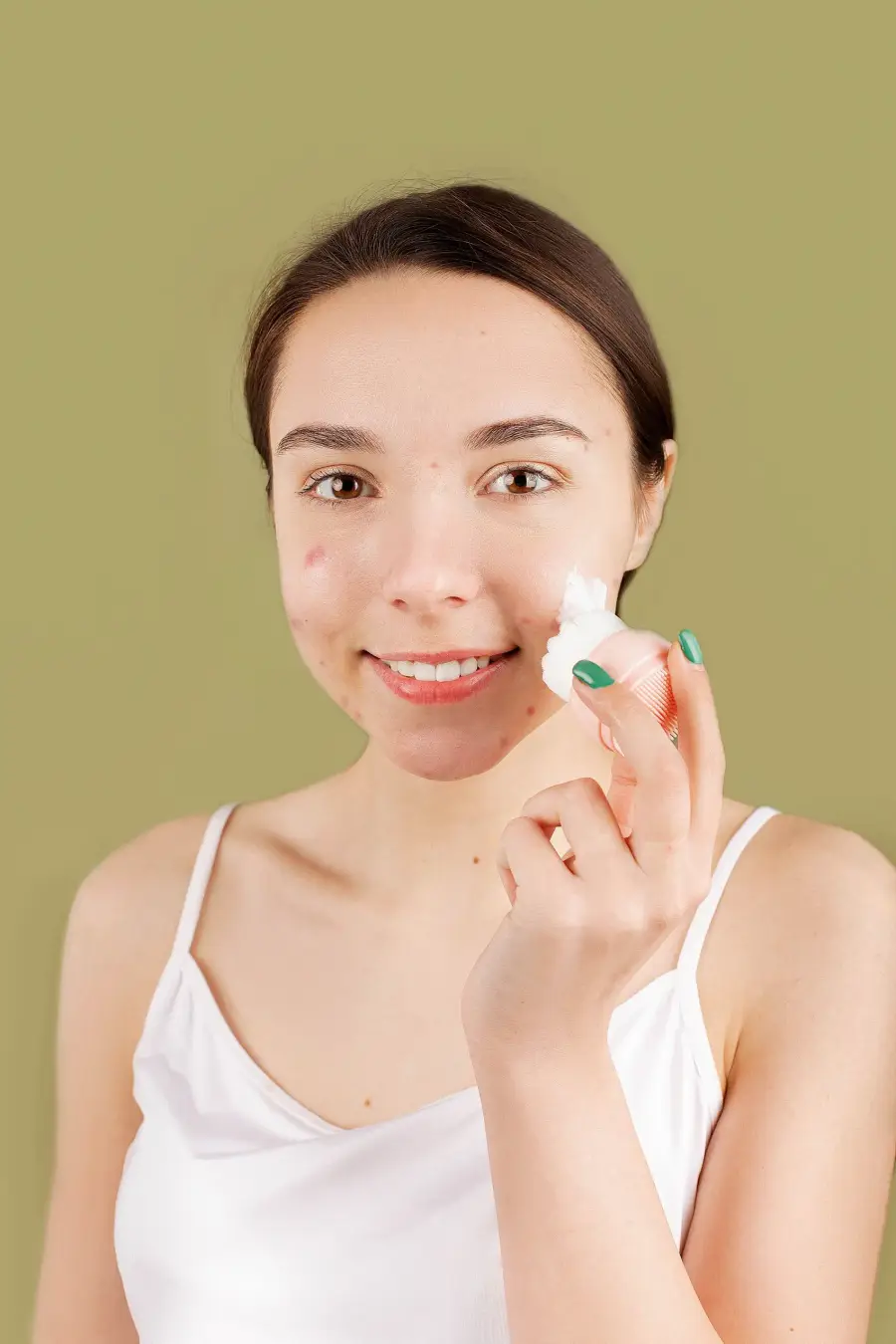
At this stage
What happens to your skin?
01
Dryness is very common
Dry skin (xerosis) was found in 55.6% of 756 people aged 65 and older; the risk was higher in women than in men. Itching, flaking and tightness are among the most common complaints at this age.
02
The barrier recovers more slowly
In older age, the skin barrier was shown to repair more slowly after damage, and barrier lipids decrease. Hot water, soap and friction can leave longer-lasting irritation at this age.
03
Renewal is noticeably slower
Epidermal renewal, which takes about 20 days in a young adult, lengthens by more than 10 days in older age. That's why wounds heal more slowly and skin looks duller.
04
Collagen production has declined
Over the years, collagen-producing cells make less collagen, and barrier lipids decrease too. Skin gets thinner, bruises easily and can tear easily with minor bumps.
05
Skin pH rises
With age, the skin's mildly acidic pH rises; this disrupts the maturation of barrier lipids and increases dryness. Care that supports the acid balance is especially valuable at this age.
06
Skin reflects overall health
In older age, changes in the skin's bacterial community were shown to be linked more to overall health and frailty than to calendar age. Taking good care of your overall health shows on your skin too.
From within
The effect of hormones
Years after menopause, estrogen settles at a low level, and after the 70s, sebum production stays low without notable change. Skin is now shaped less by hormonal fluctuations and more by the sun exposure accumulated over the years, overall health, medications and nutrition. Blood pressure, cholesterol or diuretic medications can increase skin dryness; if you notice new itching or a rash, it's a good idea to review your medications with your doctor.
The hair growth cycle has also shortened; female pattern hair loss has been reported in 38% of women aged 70 and older. Hair may be finer, sparser and, with gray strands, drier. These changes are natural; with the right care and medical support when needed, the health and look of your hair can be supported.
Focus
Priorities at this age
01
Comfort and moisture
Rich, fragrance-free moisturizers with ceramides and glycerin keep skin soft and comfortable. Reducing dryness and itching is the most important goal of this period.
02
Gentle cleansing
Soap-free, mildly acidic cleansers instead of soap, short lukewarm showers and patting dry with a towel instead of rubbing protect the barrier.
03
Sun protection and skin checks
Sun protection is valuable at every age. A yearly dermatologist checkup and regular mole and spot checks in the mirror are important for catching skin cancers early.
04
Renewing care is still possible
In people with an average age of 87, using retinol for 24 weeks was shown to reduce fine wrinkles and increase collagen production. If your skin tolerates it, you can keep using low-strength retinol.
05
Protecting thin skin
To guard against easy bruising and small tears, protective clothing on your arms and legs, soft fabrics and regular moisturizing support your skin's resilience.
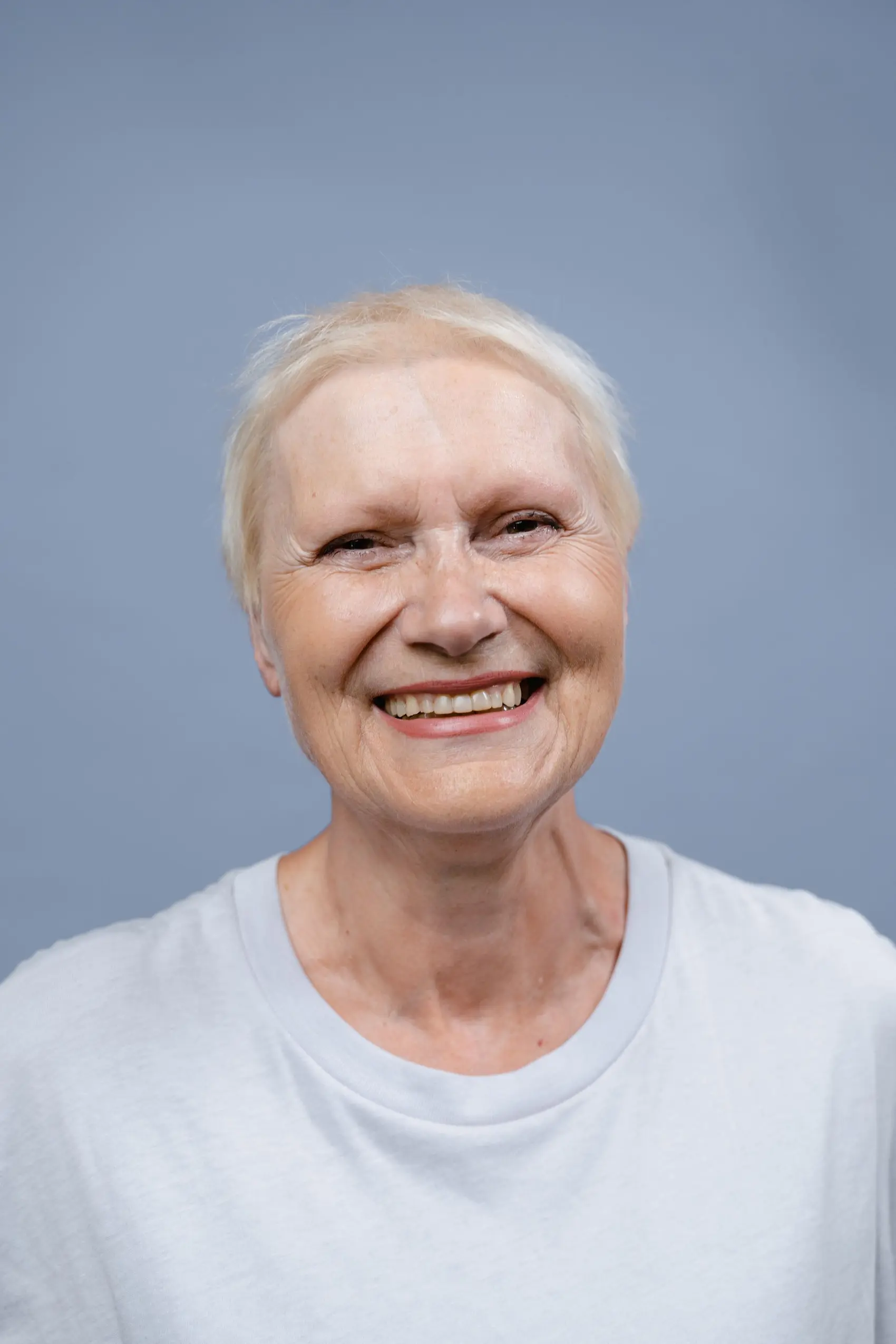
60 and beyond · Ages 60 and up
Skin in the age of wisdom: comfort, protection and care
Step by step
Skin routine
- 1
Rinse with lukewarm water
In the morning, simply rinsing your face with lukewarm water is often enough. If you need a cleanser, choose a fragrance-free milk or cream formula.
- 2
Hydrating serum
A serum with hyaluronic acid or glycerin helps hold in water when applied to damp skin.
- 3
Rich moisturizer
A rich cream with ceramides, cholesterol, fatty acids and prebiotics can help support the barrier and the microbiome.
- 4
Sunscreen
Apply a mineral or moisturizer-based SPF 30–50 sunscreen to your face, ears, neck and the backs of your hands.
What you can add to your routine
The microbiome mirrors your health
In older age, changes in the skin microbiome were shown to be linked more to overall health and frailty than to calendar age. Supporting your overall health supports your skin's microbiome too.
Soap-free cleansing
Soap and antibacterial products raise the skin's pH and can reduce friendly bacteria. Soap-free, mildly acidic cleansers help maintain microbiome balance.
Care you can use in your routine
EcoProbiotic care range ↗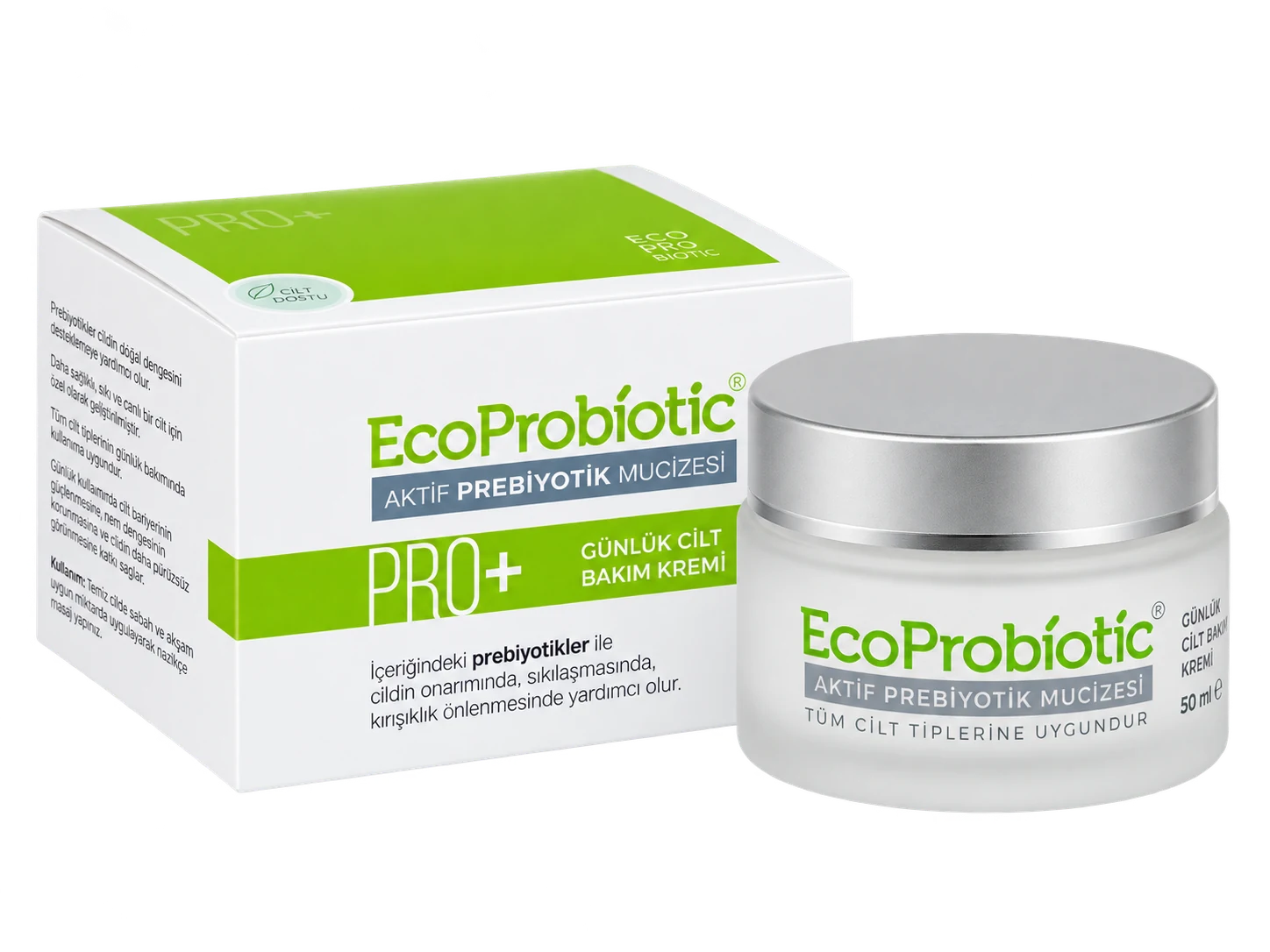 MoisturisingPrebiotic Skin CreamMoisturises the skin and helps repair the barrier. Available in three formulas: for all, dry and oily skin.View ↗
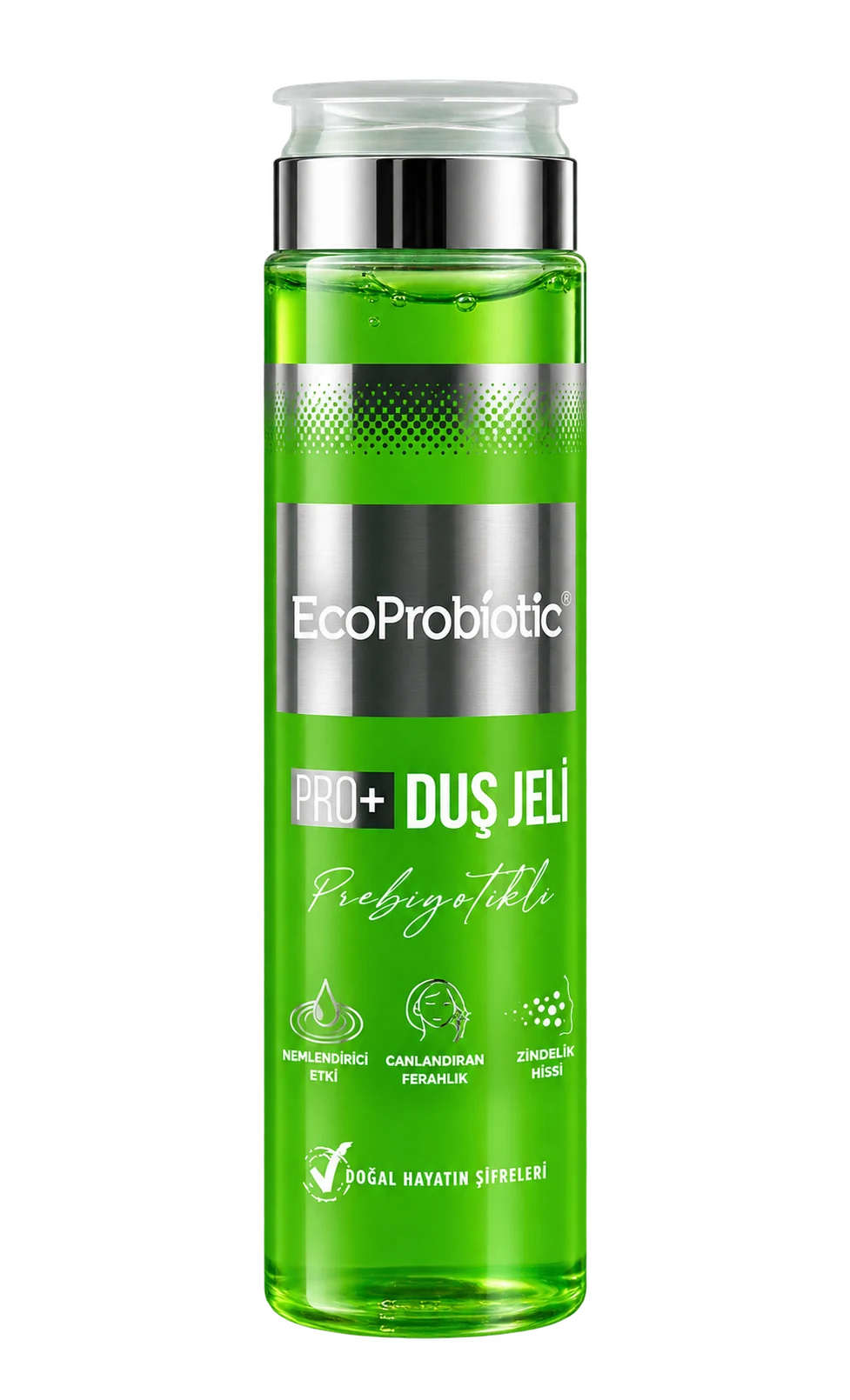 BodyPrebiotic Shower GelMoisturises the skin as it cleanses and supports the barrier; a fresh feeling all day.View ↗
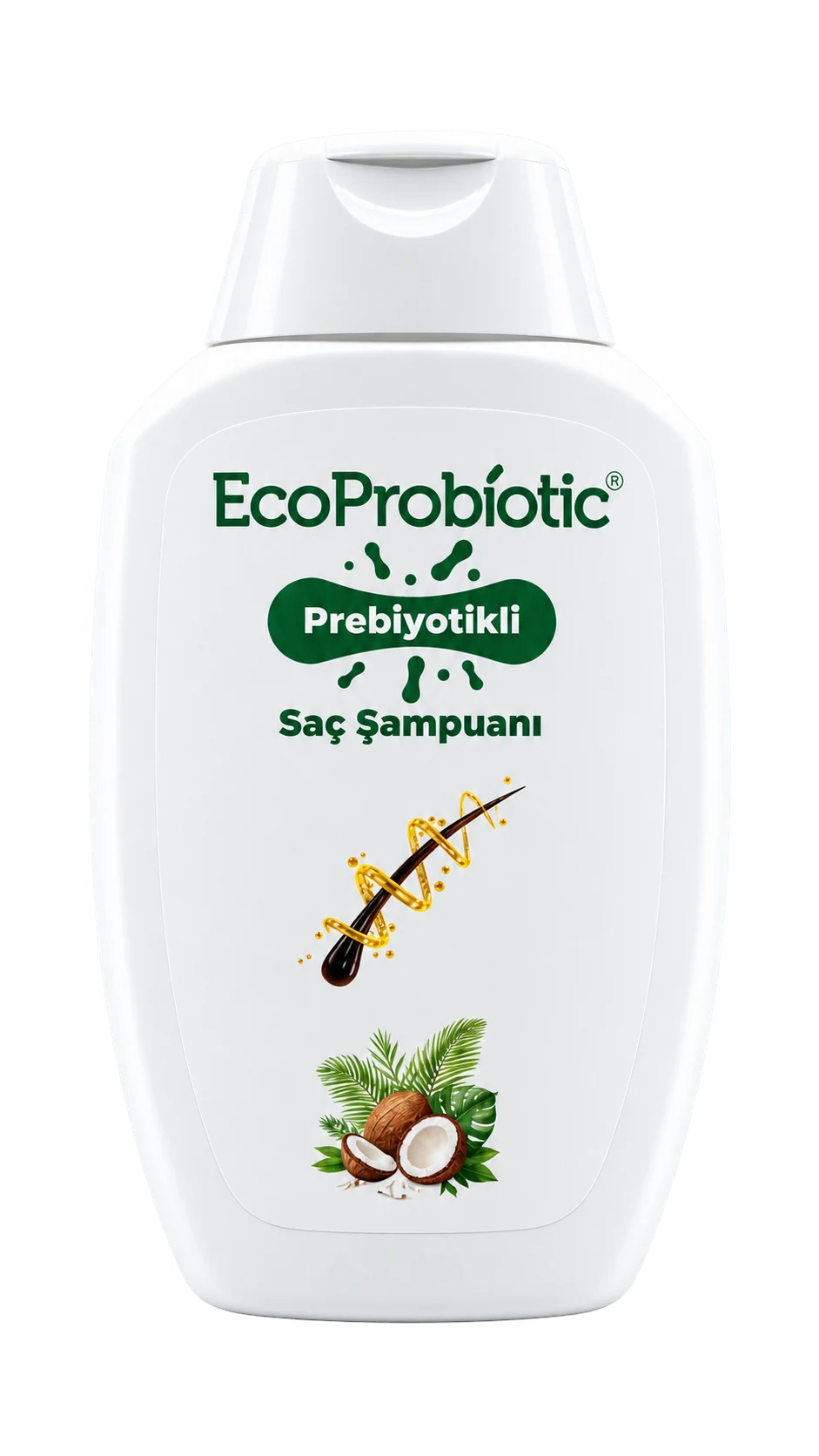 ScalpPrebiotic ShampooGently cleanses your scalp and supports its barrier; you can use it every day.View ↗
Hair and scalp
Hair routine
- 1
Wash less often, more gently
Since the scalp produces less oil, washing 2–3 times a week is usually enough. Choose moisturizing, low-sulfate shampoos.
- 2
Itchy scalp
A dry scalp can itch and flake. Lukewarm water, moisturizing scalp serums and fragrance-free products bring relief; stubborn flaking may be seborrheic dermatitis or psoriasis.
- 3
Protect fine hair
Use a wide-tooth comb instead of a fine-tooth one, soft hair ties and low heat. Dry wet hair by patting it with a towel, without rubbing.
- 4
Shine for gray hair
Gray strands can look dry and dull. A weekly hydrating mask and a light hair oil or serum boost shine; purple shampoo can balance out yellow tones.
- 5
Protect your scalp from the sun
When hair thins, the scalp is more exposed to the sun. Wearing a hat helps reduce sun damage to the scalp.
Most common
Common concerns
Dryness and barrier damage
Xerosis, seen in more than half of older people; it comes with itching, flaking and cracks.
Read in the atlas →Age spots
Spots that build up on the face and backs of the hands from years of sun. New or changing spots should always be checked.
Read in the atlas →Female pattern hair loss
It occurs in about 38% of women aged 70 and older; it shows up as widespread thinning at the crown.
Read in the atlas →Seborrheic dermatitis
Red, oily flaking along the sides of the nose, on the eyebrows and on the scalp; it can become noticeable again in older age.
Read in the atlas →Contact dermatitis
Thin, dry skin can react more easily to fragrance, preservatives and some creams.
Read in the atlas →Psoriasis
Thick plaques with silvery scales on the elbows, knees and scalp. It can begin at any age and may appear for the first time in older age too.
Read in the atlas →Daily life
Lifestyle
Protein and water
As you age, the sense of thirst weakens; drinking water regularly throughout the day and getting protein at every meal are essential for skin repair.
Movement and balance
Regular walking and light strength and balance exercises support circulation, muscle strength and overall vitality.
Your home environment
Using a humidifier in rooms heated by central heating radiators, avoiding very hot baths and wearing soft, cotton clothing improve your skin's comfort.
Review your medications
Some medications can increase skin dryness, itching and sun sensitivity. When a new skin complaint starts, review your medications together with your doctor.
Social connections
Spending time with loved ones, learning new things and laughing reduce stress, which is valuable for both overall health and skin health.
Popular searches
Most asked about 60 and beyond
Your questions
Frequently asked questions
Why does my itching get worse at night?+
At night, the skin loses more water, and with fewer distractions around, itching is felt more. Applying a thick moisturizer before bed and keeping your bedroom cool and humid bring relief. If the itching continues, see your doctor to look for an underlying cause.
Is it worth starting new skincare products at this age?+
Yes. Even in older skin, retinol was shown to increase collagen production, and moisturizers to noticeably reduce dryness. Skin responds to good care at every age.
Which spots should I see a doctor about?+
Any spot or sore that is new, growing quickly, changing color or shape, bleeding, crusting or not healing should be shown to a dermatologist.
I bruise easily on my arms. Is that normal?+
Because of thinner skin and blood vessels, bruising from minor bumps is common in older age. Blood thinners can increase this. If bruising is unexplained, widespread or very frequent, talk to your doctor.
My hair has gotten very thin. What can I do?+
Gentle care, low heat and balanced nutrition protect your hair. Getting your iron, thyroid and vitamin D levels checked and seeing a dermatologist for noticeable thinning are the right steps.
What causes dry, itchy skin in older adults?+
With age, sebum and barrier lipids decrease, skin pH rises and skin recovers more slowly from damage; more than half of people over 65 have dry skin (xerosis). Long hot showers, soap, dry air from central heating radiators and some medications can make itching worse.
What helps itchy skin in older adults?+
Short, lukewarm showers, a soap-free cleanser, patting dry with a towel and immediately applying a thick moisturizer with urea, ceramides or glycerin are the most effective steps. Cotton clothing and humid indoor air also bring relief. For widespread itching that lasts more than two weeks, disrupts sleep or occurs without a rash, your doctor should evaluate whether there's an underlying cause.
How should you choose a face cream over 65?+
A rich, fragrance-free cream with ceramides, glycerin, hyaluronic acid or urea is best for dry, thin skin. For wrinkles, low-strength retinol works in older age too. And SPF 30 or higher sunscreen in the morning is the most important step against dark spots and new skin changes.
Scientific basis
Sources
- 1.Prevalence and risk factors for xerosis in the elderly: a cross-sectional epidemiological study in primary care.
Paul C, Maumus-Robert S, Mazereeuw-Hautier J, Guyen CN, et al. · Dermatology · 2011 · doi:10.1159/000334631
Found dry skin (xerosis) in 55.6% of 756 people aged 65 and older; female sex and a history of atopy increased the risk.
- 2.The aged epidermal permeability barrier. Structural, functional, and lipid biochemical abnormalities in humans and a senescent murine model.
Ghadially R, Brown BE, Sequeira-Martin SM, Feingold KR, Elias PM · Journal of Clinical Investigation · 1995 · doi:10.1172/JCI117919
Showed that in older age the skin barrier recovers more slowly after damage and barrier lipids decrease.
- 3.Age-associated changes in human epidermal cell renewal.
Grove GL, Kligman AM · Journal of Gerontology · 1983 · doi:10.1093/geronj/38.2.137
Showed that epidermal renewal, which takes about 20 days in young adults, lengthens by more than 10 days in old age, with the decline accelerating especially after 50.
- 4.Stratum corneum acidification is impaired in moderately aged human and murine skin.
Choi EH, Man MQ, Xu P, Xin S, et al. · Journal of Investigative Dermatology · 2007 · doi:10.1038/sj.jid.5700913
Showed that between ages 50 and 80 the skin's acid balance (pH) is disrupted, slowing the maturation of barrier lipids, and that skin care that acidifies the skin could correct this problem.
- 5.Aging-related changes in the diversity of women's skin microbiomes associated with oral bacteria.
Shibagaki N, Suda W, Clavaud C, Bastien P, et al. · Scientific Reports · 2017 · doi:10.1038/s41598-017-10834-9
Showed that the cheek and forehead microbiome of women aged 60–76 was more diverse than that of women aged 21–37, with fewer of the oil-loving bacteria that dominate in younger skin and more bacteria of oral origin.
- 6.Associations of the skin, oral and gut microbiome with aging, frailty and infection risk reservoirs in older adults.
Larson PJ, Zhou W, Santiago A, Driscoll S, et al. · Nature Aging · 2022 · doi:10.1038/s43587-022-00287-9
Showed that in older age, microbiome changes are linked more to frailty than to calendar age, and that skin microbiome balance is especially important during this period.
- 7.Improvement of naturally aged skin with vitamin A (retinol).
Kafi R, Kwak HS, Schumacher WE, Cho S, et al. · Archives of Dermatology · 2007 · doi:10.1001/archderm.143.5.606
Showed that in people with an average age of 87, applying 0.4% retinol for 24 weeks reduced fine wrinkles and increased collagen production and moisture-binding molecules.
- 8.Hair density, hair diameter and the prevalence of female pattern hair loss.
Birch MP, Messenger JF, Messenger AG · British Journal of Dermatology · 2001 · doi:10.1046/j.1365-2133.2001.04018.x
Showed that female pattern hair loss affects 6% of women under 50 and 38% of those 70 and older, and that hair density averages 293 hairs/cm² at age 35 and 211 hairs/cm² at age 70.