
Self-test
Is this type you?
- ◎Your skin is drier than it used to be; your T-zone, which used to get oily, is less shiny now.
- ◎Firmness along your cheeks and jawline has decreased; when you gently pinch your skin and let go, it takes longer to bounce back.
- ◎Fine lines are visible even when you're not smiling, especially around the eyes, above the upper lip and on the forehead.
- ◎Sun spots and uneven tone are more noticeable; your skin doesn't glow the way it used to.
- ◎A small cut, an acne mark or irritation takes longer to heal than before.
- ◎Blotting paper test: 1 hour after washing, the tissues show almost no trace of oil and your face feels tight.
- ◎During menopause you notice sudden dryness, itching or newly appearing sensitivity.
In depth
The science of your skin
As we age, several things change in the skin at once. The collagen and elastin fibers in the skin decrease, and new collagen production slows down; the drop in estrogen at menopause speeds up this loss. Oil glands produce less sebum, barrier lipids decrease, and research shows that in aged skin the barrier recovers much more slowly after damage. From middle age onward, the acidity of the skin surface also decreases; as pH rises, the enzymes involved in barrier repair slow down. On top of all this, external factors accumulated over the years such as sun exposure, pollution and smoking (the exposome) are among the biggest causes of fine lines, dark spots and sagging.
Mature skin isn't defined by a specific age but by these changes; in most women they become noticeable in their 40s and speed up during menopause. Dry skin, itching, thinning, loss of firmness and more noticeable sun spots are common during menopause. That's why skincare over 40 is built on three pillars: actives that support collagen and renewal (retinoids, vitamin C, peptides), a barrier strengthened with lipids and moisture, and sun protection every day, in every season.
Priorities
What does it need?
01
Support renewal
Retinoids are the actives with the most evidence for fine lines and collagen production in mature skin. In a study with 0.4% retinol, significant improvement was seen in 24 weeks.
02
Enrich the barrier
Rich creams that contain ceramides, cholesterol and fatty acids together help replenish declining lipids.
03
An antioxidant shield
Vitamin C plays a role in collagen production and protects against free radicals; its levels in the skin decrease with age and sun exposure.
04
Tone and dark spot care
Niacinamide, azelaic acid and tranexamic acid can help with sun spots and uneven tone.
05
Daily sun protection
The best-proven way to slow the progression of aging signs. It's never too late.
06
Gentle cleansing
For skin that becomes thinner and drier with age, choose cream or milk cleansers with a skin-friendly pH instead of foamy, soap-based ones.
Mature skin
Support renewal
Step by step
Mature skin routine
- 1
Cream cleanser or water
In the morning, just lukewarm water or a non-foaming cream cleanser is enough.
- 2
Vitamin C serum
For antioxidant protection and radiance. If ascorbic acid stings, choose a gentler vitamin C derivative.
- 3
Peptide or niacinamide serum
Peptides and niacinamide add a supportive layer for the look of firmness and for the barrier.
- 4
Rich moisturizer
A creamy moisturizer with ceramides, hyaluronic acid and squalane; don't forget your neck and décolletage.
- 5
Broad-spectrum sunscreen
A product with SPF 30 or higher and strong UVA protection. Reapply if you're outdoors during the day; add a hat and sunglasses too.
What you can add to your routine
A community that changes with age
Research shows that the skin microbiome in women changes markedly with age. Supporting this change can help contribute to barrier and moisture balance.
Protect the acidic surface
pH that rises with age affects both the barrier and the microbiome. Cleansers and creams with a pH between 4.5 and 5.5 help maintain this balance.
Care you can use in your routine
EcoProbiotic care range ↗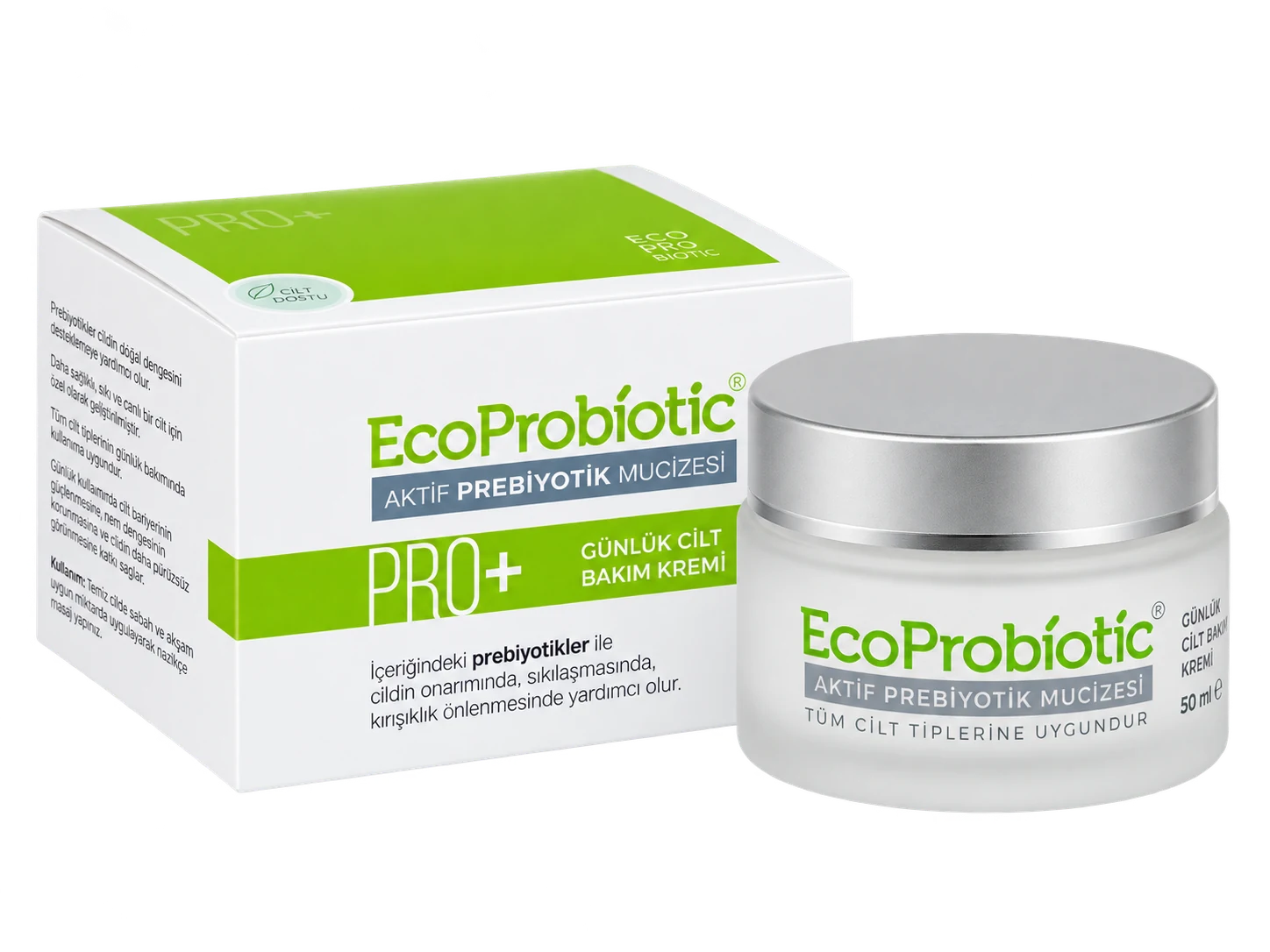 MoisturisingPrebiotic Skin CreamMoisturises the skin and helps repair the barrier. Available in three formulas: for all, dry and oily skin.View ↗
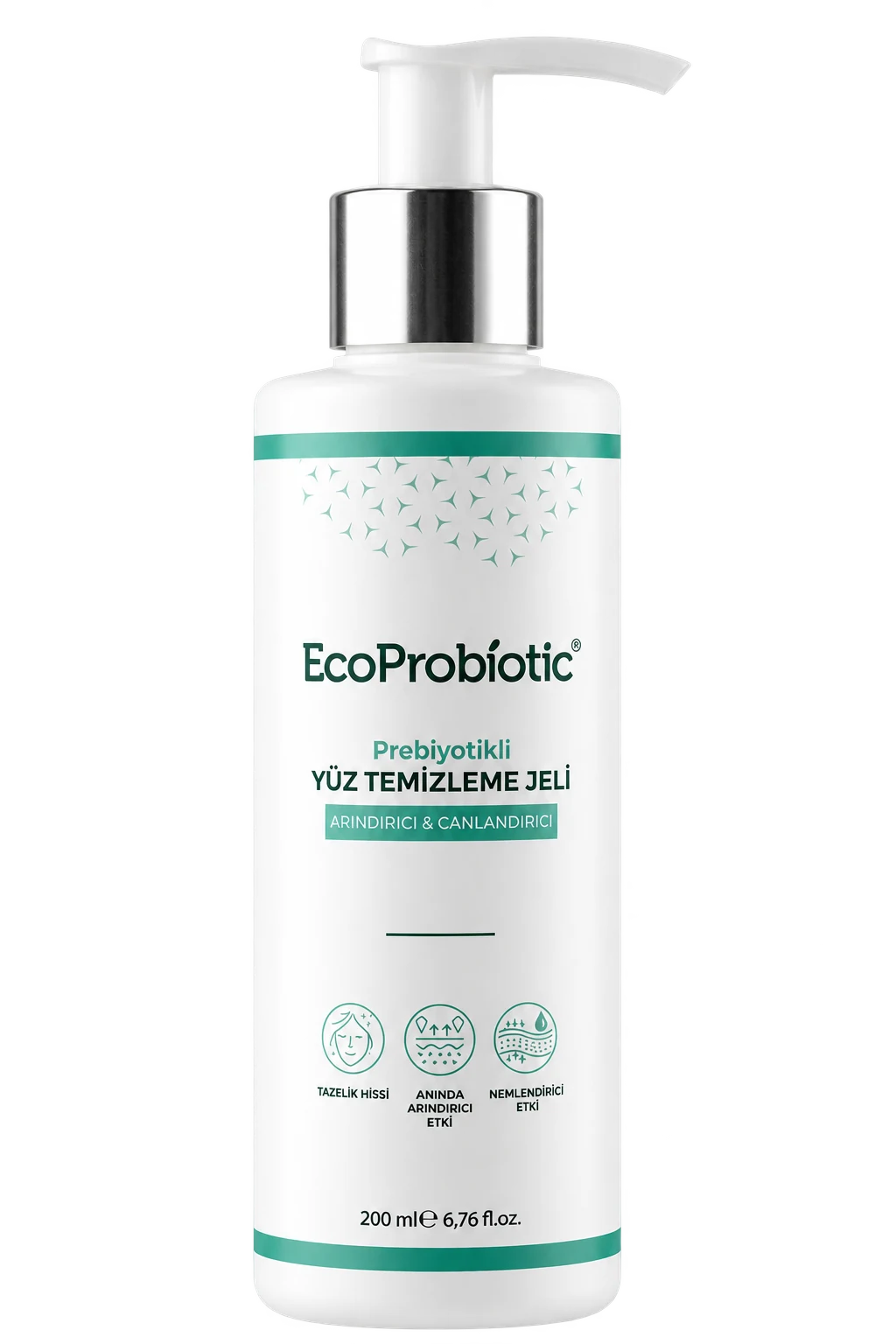 CleansingPrebiotic Face Cleansing GelRemoves make-up and the day’s grime with a gentle foam, supporting the skin barrier as it cleanses. Morning and evening.View ↗
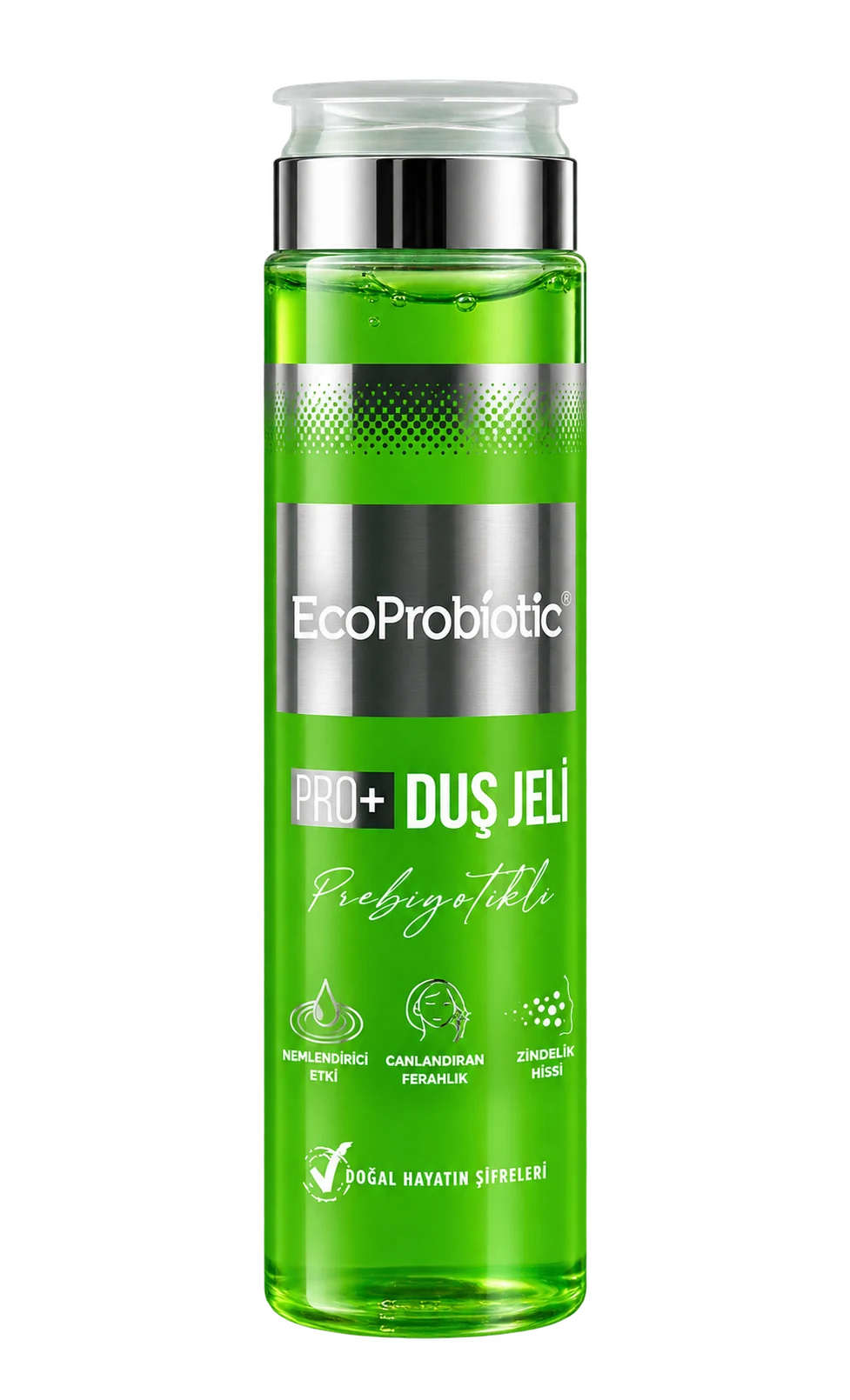 BodyPrebiotic Shower GelMoisturises the skin as it cleanses and supports the barrier; a fresh feeling all day.View ↗
Reading labels
Ingredient guide
✓What helps
- Retinoids (retinol, retinal, prescription tretinoin): the group with the most evidence for collagen and renewal.
- Vitamin C: collagen production and antioxidant protection.
- Niacinamide: fine lines, blotchiness, redness and the barrier.
- Peptides: supportive signaling molecules for the look of firmness.
- Ceramides, cholesterol and fatty acids: replenish declining barrier lipids.
- Hyaluronic acid and glycerin: humectants.
- Squalane and shea butter: nourishing emollients.
- Azelaic acid and tranexamic acid: for dark spots and uneven tone.
- Lactic acid and PHA: gentle, hydration-friendly exfoliants.
- Prebiotics: support the balance of a changing microbiome.
!Be careful with
- Frequent use of high-percentage glycolic acid: can cause irritation and dryness in thin skin.
- Using retinoids and strong acids together on the same evening.
- Soap-based, foamy cleansers.
- Heavy fragrance and alcohol: can cause irritation in skin that has become more sensitive.
- Harsh physical scrubs: can damage thinned skin.
All year round
By season
Winter
Mature skin loses the most water in winter. Use a thicker night cream, run a humidifier, and reduce how often you use your retinoid depending on irritation.
Summer
The season when sun spots darken. Reapply sunscreen often and wear a hat; vitamin C and niacinamide support dark spot care.
Seasonal transitions
Fall is a good time to start a retinoid or increase the dose; the sun is weaker.
Caution
Common mistakes
- ✕Starting retinoids too strong and every night, then quitting entirely once irritation sets in.
- ✕Thinking "I'm not young anymore, sunscreen won't do any good."
- ✕Leaving your neck, décolletage and hands out of your skincare.
- ✕Continuing to use the foaming cleanser from your younger years even though dryness has increased.
- ✕Relying on a single expensive cream and neglecting the basic steps (moisturizing, sun protection).
- ✕Not talking to your doctor about sudden changes that come with menopause.
Popular searches
Most asked about Mature skin
Your questions
Frequently asked questions
Is it too late to start retinol?+
No. Studies report that retinol can have positive effects on fine wrinkles and collagen production even in people over 80. Start with a low dose and go slowly.
Do collagen creams add collagen to the skin?+
The collagen molecule is too large to pass into the deeper layers of the skin. In creams, it works as a humectant. To support your own collagen production, retinoids, vitamin C, peptides and sun protection make more sense.
Why did menopause change my skin so much?+
Estrogen plays an important role in the balance of collagen, moisture and oil. Its drop at menopause speeds up dryness, thinning and loss of firmness. You can talk to your doctor about options such as hormone therapy.
Can you do acid peels on mature skin?+
Yes, but gentle ones are better. Lactic acid and PHA both renew and hold moisture. For strong chemical peels, see a dermatologist.
Do dark spot creams work?+
Niacinamide, azelaic acid, tranexamic acid and vitamin C can help fade dark spots; but without daily sun protection, the results won't last. Always show a dermatologist any new spots or spots that change shape or color.
At what age does skin become mature?+
There's no set age limit. Collagen loss starts slowly in the late 20s; thinning, dryness and loss of firmness become noticeable for most women in their 40s and speed up with menopause. Genetics, sun exposure and smoking can bring this process forward.
Does menopause cause dry skin?+
Yes, it's common. As estrogen drops, sebum and barrier lipids decrease and the skin loses more water; that's why dryness, itching and newly appearing sensitivity occur. A non-foaming cleanser, a rich cream with ceramides and short, lukewarm showers help; if your symptoms are significant, talk to your doctor.
What should a skincare routine over 40 look like?+
Morning: gentle cleansing, vitamin C serum, a rich moisturizer and sunscreen with SPF 30 or higher. Evening: remove makeup, a retinoid starting with 2–3 evenings a week, and on the other evenings a repairing serum, followed by a rich night cream. Include your neck, décolletage and hands in this routine too.
Which serum should I use for mature skin?+
Retinoids have the strongest evidence; they're used in the evening. In the morning, vitamin C provides antioxidant protection and radiance. Niacinamide can support the look of fine lines, dark spots and redness, while peptides can support the look of firmness. Don't start them all at once; add them one at a time.
Scientific basis
Sources
- 1.The skin aging exposome.
Krutmann J, Bouloc A, Sore G, Bernard BA, Passeron T · Journal of Dermatological Science · 2017 · doi:10.1016/j.jdermsci.2016.09.015
Reviewed how external factors such as sunlight, air pollution, smoking, diet and sleep contribute to skin aging.
- 2.The aged epidermal permeability barrier. Structural, functional, and lipid biochemical abnormalities in humans and a senescent murine model.
Ghadially R, Brown BE, Sequeira-Martin SM, Feingold KR, Elias PM · Journal of Clinical Investigation · 1995 · doi:10.1172/JCI117919
Showed that barrier lipids decrease in aged skin and that the barrier recovers much more slowly after damage.
- 3.Stratum corneum acidification is impaired in moderately aged human and murine skin.
Choi EH, Man MQ, Xu P, Xin S, Liu Z, Crumrine DA ve ark. · Journal of Investigative Dermatology · 2007 · doi:10.1038/sj.jid.5700913
Showed that from middle age onward the acidity of the skin surface decreases, and that this slows barrier repair.
- 4.Aging-related changes in the diversity of women's skin microbiomes associated with oral bacteria.
Shibagaki N, Suda W, Clavaud C, Bastien P, Takayasu L, Iioka E ve ark. · Scientific Reports · 2017 · doi:10.1038/s41598-017-10834-9
Showed that the skin microbiome of older women is more diverse than that of younger women and that its composition changes markedly with age.
- 5.Improvement of naturally aged skin with vitamin A (retinol).
Kafi R, Kwak HS, Schumacher WE, Cho S, Hanft VN, Hamilton TA ve ark. · Archives of Dermatology · 2007 · doi:10.1001/archderm.143.5.606
A 0.4 percent retinol lotion was seen to reduce fine wrinkles and increase collagen production in aged skin over 24 weeks.
- 6.Niacinamide: A B vitamin that improves aging facial skin appearance.
Bissett DL, Oblong JE, Berge CA · Dermatologic Surgery · 2005 · doi:10.1111/j.1524-4725.2005.31732
5 percent niacinamide was observed to improve fine lines, blotchiness, redness and skin elasticity over 12 weeks.
- 7.The Roles of Vitamin C in Skin Health.
Pullar JM, Carr AC, Vissers MCM · Nutrients · 2017 · doi:10.3390/nu9080866
Reviewed the role of vitamin C in collagen production and antioxidant defense, and noted that its levels in the skin decrease with age and sun exposure.