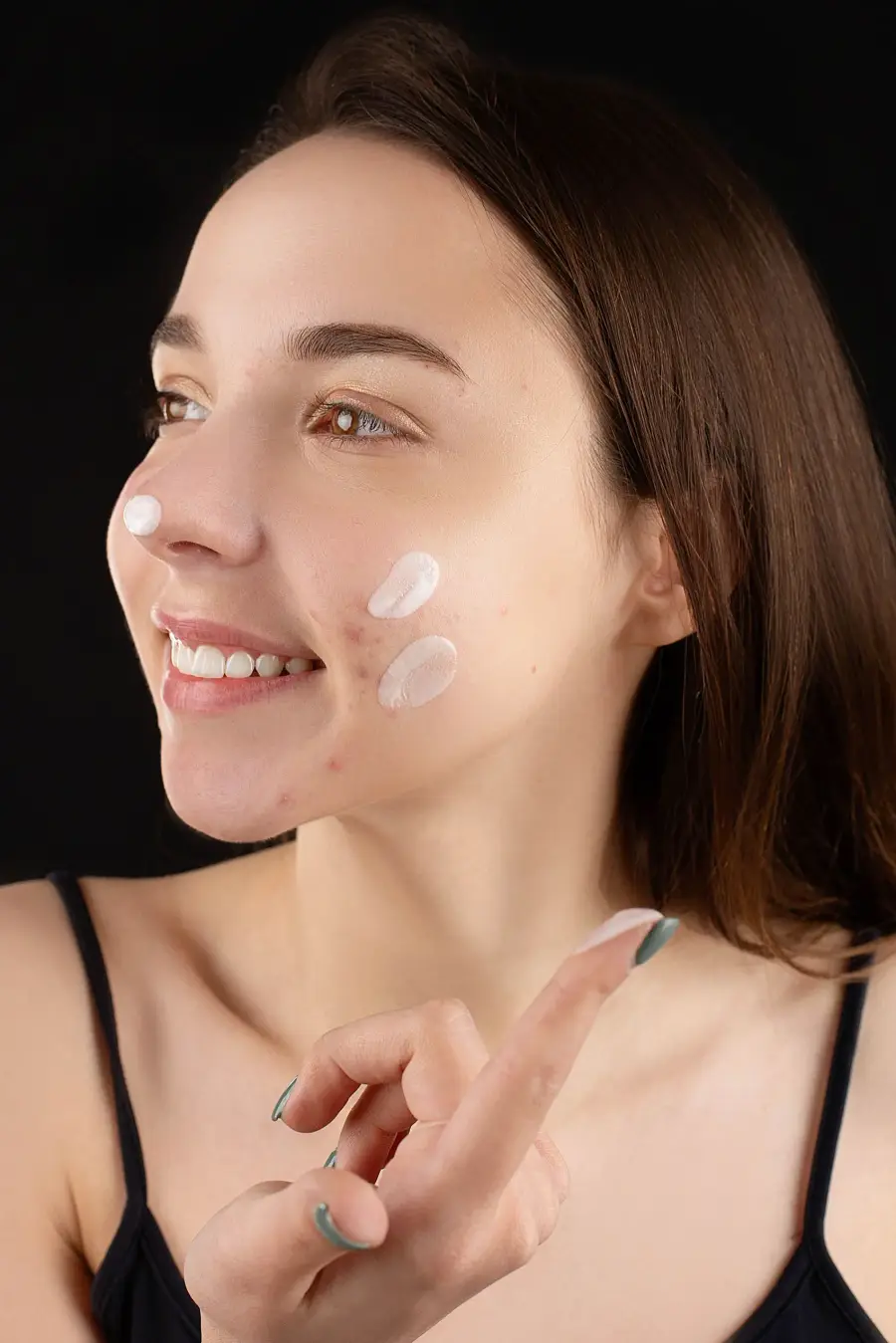
When the heating comes on, homes warm up, but your skin doesn't feel the same comfort. A cold wind that stings your face when you head out in the morning, then a warm room with dried-out air when you come home in the evening. Going back and forth between these two extremes, the skin is one of the organs that struggles most in winter. Tightness, flaking, redness and itching are familiar complaints this time of year.
Why does skin get dry in winter?
The outermost layer of the skin is in constant exchange with the moisture in the air. When the air is humid, skin holds on to its water more easily; when the air is dry, the amount of water evaporating from the skin increases. A comprehensive review published in the journal of the European Academy of Dermatology and Venereology showed that low humidity and low temperatures weaken skin barrier function, make skin more sensitive to mechanical stress and irritants, and may be linked to flare-ups of conditions like eczema.
In winter, outdoor air is cold and usually dry. Indoors, central heating warms the air while lowering relative humidity. As a result, your skin faces a low-humidity environment both outside and inside. Add hot showers, friction from heavy fabrics and a tendency to drink less water, and it's easy to see why winter skin struggles so much.
In winter, your skin fights on two fronts at once: cold and wind outside, and the dryness of heated air inside.
What's happening to the barrier?
A review on moisturization and barrier function explains that the skin's top layer relies on two systems to retain moisture: natural moisturizing factors inside the cells and the lipid layer between them. In dry air, both the production of these natural moisturizing factors and the organization of lipids can be affected. In the cold, the enzymes that help surface cells shed regularly also slow down; that's why flaking becomes more noticeable in winter.
When the barrier weakens, the microbial balance on the skin's surface can be affected too. A dry, cracked surface can't provide the moist, slightly acidic environment the resident community needs. That's why supporting the barrier in winter is also a way to protect the microbiome.
7 steps to winter skincare
- Shorten hot showers: Very hot water dissolves the skin's lipids. Try to keep showers lukewarm and limited to 5 to 10 minutes.
- Switch to a gentle cleanser: In winter, cleansers that leave your skin tight become even more drying. Choose a creamy, slightly acidic, soft formula.
- Upgrade your moisturizer: Instead of the light gel you use in summer, switch to a richer cream with ceramides, cholesterol and fatty acids plus humectants like glycerin.
- Apply to damp skin: Apply moisturizer within the first few minutes after showering or washing your face, while your skin is still slightly damp.
- Exfoliate less: In winter, cut back on acid and scrub exfoliation; give your barrier a chance to recover.
- Humidify your room: Especially in the bedroom, you might consider using a humidifier or placing a bowl of water on the radiator to offset dry heated air.
- Don't forget the sun: Winter sun affects your skin too; use sunscreen, especially on snowy and clear days.
Choosing a moisturizer: three types of ingredients
A review of the role of moisturizers in dry skin, along with another review on the place of moisturizers in different types of dermatitis, explains that a good moisturizer usually combines three types of ingredients:
- Humectants: Ingredients like glycerin, hyaluronic acid and urea draw in water and bind it to the skin's top layer.
- Emollients: Fill in the gaps between cells and smooth the skin's surface.
- Occlusives: Form a thin film on the skin's surface that slows down water evaporation.
In winter, a cream with a good balance of these three ingredient groups is a good choice for most skin types. Formulas with prebiotics may also help support the skin's microbial balance in addition to supporting the barrier.
In winter, moisturizer isn't a luxury; it's like an extra layer your barrier needs against the outside world.
Forgotten areas
- Hands: Washed often and the most exposed to cold. Apply hand cream after every wash and wear gloves outside.
- Lips: They dry out quickly because they have no oil glands. Licking them makes dryness worse; use a nourishing lip balm.
- Legs: Friction from heavy fabrics and hot showers can cause itchy dryness on your legs; apply body lotion after showering.
- Around the nose: Gets irritated from tissue friction during cold and flu season; soft tissues and a protective cream help.
What helps itchy skin in winter?
Winter itch is mostly caused by dryness and is felt most on the legs, arms and back. Keeping showers short and lukewarm, using a gentle body wash instead of soap, applying a rich body moisturizer right after showering while skin is still slightly damp, and adding a little humidity to the air at home can noticeably reduce itching. Not letting wool clothing touch your skin directly also helps.
When should you see a dermatologist?
If you have intense itching that doesn't go away despite moisturizing, areas that crack and bleed, red and scaly patches, or itching that disrupts your sleep, it's important to see a dermatologist. Winter can be a time when conditions like atopic dermatitis and psoriasis flare up, and these require follow-up by a specialist.
A sample winter routine
You don't have to rebuild your routine from scratch for winter; a few tweaks to your summer routine are usually enough. The example below offers a starting point for normal to dry skin:
- Morning: Rinse your face with lukewarm water or use a creamy cleanser; apply a hydrating serum, a rich moisturizer and a broad-spectrum sunscreen.
- Heading out: Use lip balm, gloves and a scarf that protects your face from the wind.
- During the day: Apply hand cream after washing your hands; consider putting a small bowl of water or a humidifier near your desk at the office or at home.
- Evening: Gentle cleansing, followed by a barrier-supporting cream; you can apply a second layer to very dry areas.
- Once a week: Instead of exfoliating, give your skin a rest with a hydrating mask or a thick layer of cream.
You can watch how your skin reacts to winter for a few weeks and adapt this plan to suit you. Oily skin may call for a lighter cream, and very dry skin for a richer formula.
Finally, remember that your clothes can affect your skin in winter too. Rough, scratchy wool fabrics can increase irritation when they touch your skin directly. Wearing a soft cotton layer underneath reduces friction and helps your skin breathe more comfortably.
Keep in mind
If you care for your winter skin the way you do in summer, it will remind you with tightness and flaking. Lukewarm water, gentle cleansing, a rich moisturizer and humid room air are your skin's best friends in the months when the heating is on. Small adjustments can help you get through the whole season comfortably.
Helpful as you build this routine
EcoProbiotic care range ↗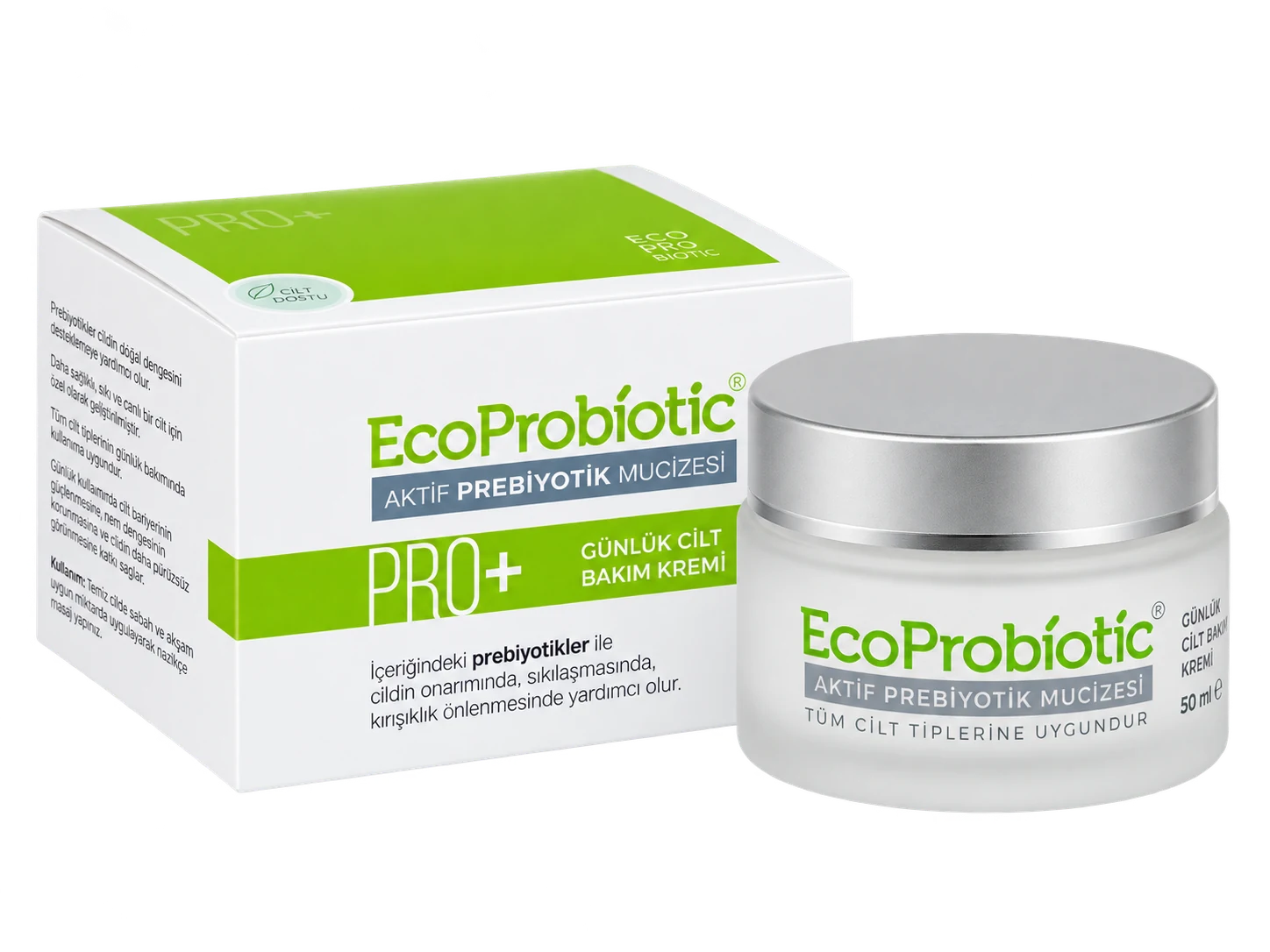
Sources
- 1.The effect of environmental humidity and temperature on skin barrier function and dermatitis
Engebretsen KA, Johansen JD, Kezic S, Linneberg A, Thyssen JP · Journal of the European Academy of Dermatology and Venereology · 2016 · doi:10.1111/jdv.13301
Showed that low humidity and low temperatures weaken the skin barrier and make skin more sensitive to irritants.
- 2.Moisturization and skin barrier function
Rawlings AV, Harding CR · Dermatologic Therapy · 2004 · doi:10.1111/j.1396-0296.2004.04S1005.x
Explained that the skin's top layer retains moisture through natural moisturizing factors and the lipid layer, and that dry air affects these systems.
- 3.Role of topical emollients and moisturizers in the treatment of dry skin barrier disorders
Lodén M · American Journal of Clinical Dermatology · 2003 · doi:10.2165/00128071-200304110-00005
Reviewed the role of moisturizers and their ingredient types in dry skin and skin with a damaged barrier.
- 4.The role of moisturizers in addressing various kinds of dermatitis: a review
Purnamawati S, Indrastuti N, Danarti R, Saefudin T · Clinical Medicine & Research · 2017 · doi:10.3121/cmr.2017.1363
Summarized the role of humectant, emollient and occlusive ingredients in supporting the barrier in dermatitis.