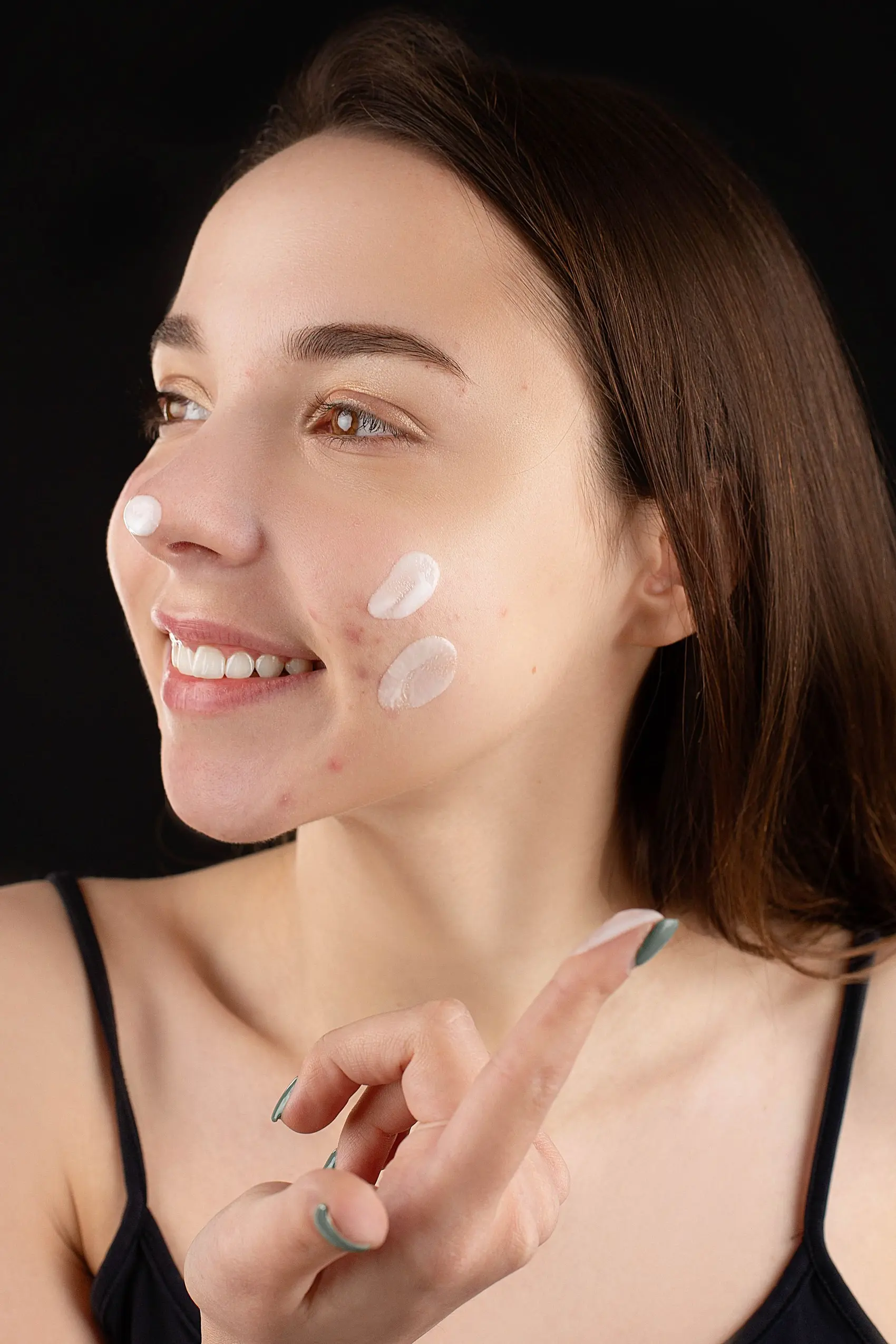
When a pimple pops up or our skin gets shiny, our first reflex is usually the same: wash more. Morning, noon, night; a foamy cleanser, maybe with a toner on top. Feeling clean feels good. But is that clean feeling really good for our skin, or are we unknowingly weakening its own defenses?
The answer lies in how much and how you cleanse. Cleansing is of course necessary: removing dirt, sweat residue, sunscreen and makeup from the surface matters for your skin to breathe. But the line between cleansing and over-cleansing is thinner than you might think.
What does a cleanser do to your skin?
The surfactants in cleansers lift dirt off the surface by bringing oil and water together. The problem is that these substances can't tell the difference between dirt on the surface and your skin's own protective lipids. A review published in Dermatologic Therapy explains in detail how surfactants can interact with the skin's proteins and lipids, leading to dryness, tightness and irritation, which is why gentle cleansing technologies matter.
More aggressive surfactants can bind to proteins in the skin's top layer and cause them to swell. This can set the stage for ingredients to penetrate deeper and cause irritation. At the same time, the mortar between the bricks, the lipid layer, is dissolved too. The result: skin that looks clean on the outside but is parched underneath.
That squeaky-clean feeling is often a sign not of cleanliness, but that your skin has lost its protective oils too.
The pH question
The skin's surface is slightly acidic, and this acidic environment matters both for the enzymes that produce barrier lipids and for the resident microbiome. Classic bar soaps, on the other hand, are usually alkaline. A comparative study in infants found that washing with soap raised skin surface pH more noticeably than synthetic detergent cleansers did. A comprehensive review on skin pH also emphasizes that a rise in pH can slow barrier repair and affect microbial balance.
When pH rises, the skin tries to rebalance itself, but that takes time. If you wash with an alkaline cleanser several times a day, the next wash comes before your skin has had a chance to restore that balance.
Your skin's natural balance is affected too
The skin's resident microbiome is most comfortable in a slightly acidic, moist environment. Over-cleansing both changes this environment and removes part of the community from the surface. Normally the resident community recovers within a few hours. But the more often you wash and the harsher the cleanser, the harder this recovery can become.
An update on the healthy skin microbiome written for dermatologists particularly emphasizes the importance of gentle cleansers and barrier-supporting moisturizing for protecting the skin's microbial balance. In other words, the goal isn't germ-free skin; it's a clean, balanced foundation where the resident community can live comfortably.
5 signs of over-cleansing
- A tight, shrinking feeling within a few minutes of washing
- Stinging or burning when you apply moisturizer
- Both shine and flaky dryness by midday
- Small patches of redness that appear frequently
- New sensitivity to products that never caused problems before
How many times a day should you wash your face?
For most skin, the answer is twice a day: morning and night. Washing at night is necessary to remove the day's dirt, sweat, sunscreen and makeup; in the morning, for dry and sensitive skin, just lukewarm water or a very mild cleanser may be enough. You can add an extra wash after working out or heavy sweating; otherwise, there's no need to wash your face over and over during the day with a foaming cleanser.
Does oily skin need to be washed more often?
No, it does not. People with oily skin are usually the ones who wash the most. But stripping oil aggressively dries out the skin's surface and strains the barrier. Your skin can then feel both dry and oily and become more prone to irritation. For oily skin, too, the right approach is gentle cleansing morning and night plus a lightweight moisturizer.
Even with oily skin, the goal isn't to strip away all the oil; it's gentle cleansing that leaves your skin comfortable and supple.
How should you wash your face? A guide to cleansing right
A review on the role of skin cleansers in various skin conditions notes that soaps are usually alkaline and that gentler synthetic cleansers with a pH close to the skin's may be preferable for sensitive or problem skin. Based on this, here's a practical guide:
- Frequency: Twice a day is enough. If your skin is dry in the morning, just lukewarm water can be an option.
- Temperature: Hot water dissolves lipids more easily; choose lukewarm water.
- Time: Apply your cleanser with a gentle massage for 30 to 60 seconds and rinse thoroughly.
- Choice: Pick a slightly acidic cleanser with a soft lather that doesn't leave your skin tight.
- Drying: Don't rub with a towel; gently pat dry.
- Afterward: Apply moisturizer while your skin is still slightly damp; in the morning, make sunscreen your last step.
Is double cleansing for everyone?
On evenings when you wear heavy makeup or water-resistant sunscreen, using an oil-based cleanser first and then a gentle gel cleanser can help. But on days with light makeup or none at all, a single gentle cleanse is usually enough. A two-step wash every night can put unnecessary strain on skin, especially dry and sensitive skin.
Your hands and body have the same story
The effects of over-cleansing aren't limited to your face. Hands washed many times a day are the first to feel this strain, especially in winter, with redness, cracking and flaking. Hand hygiene is of course important and non-negotiable; but gently drying your hands after every wash and applying hand cream helps your barrier cope with this frequent contact.
A similar logic applies to your body. Long, very hot showers every day, exfoliating mitts and harsh loofahs can strain the skin's lipid layer and resident community. For body cleansing, too, lukewarm water, a short shower and a gentle body wash are usually enough. For some people, focusing on areas with more sweat and odor such as the underarms and groin, and simply rinsing drier areas like the arms and legs with water, may be enough.
In short, cleansing is a balancing act: leaving your skin's own protective layers in place matters as much as removing dirt.
Keep in mind
Your skin produces oil and an acidic mantle to protect itself, and it hosts a balanced community on its surface. Cleansing is good for your skin when it's done without disrupting this balance; when it goes too far, it turns into well-meant wear and tear. Next time you're chasing that squeaky-clean feeling, remember that skin that feels comfortable and supple is a better measure.
Helpful as you build this routine
EcoProbiotic care range ↗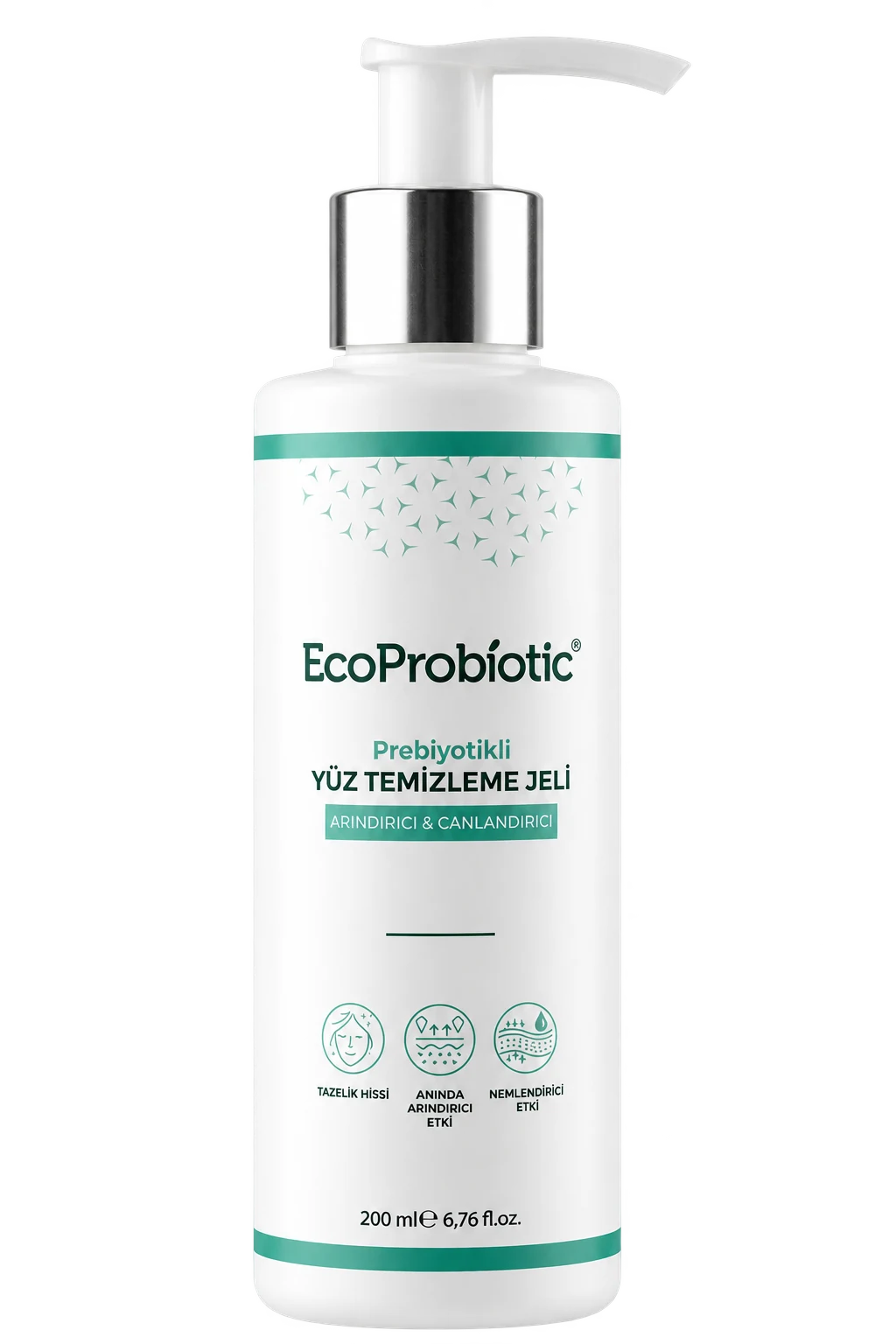 CleansingPrebiotic Face Cleansing GelRemoves make-up and the day’s grime with a gentle foam, supporting the skin barrier as it cleanses. Morning and evening.View ↗
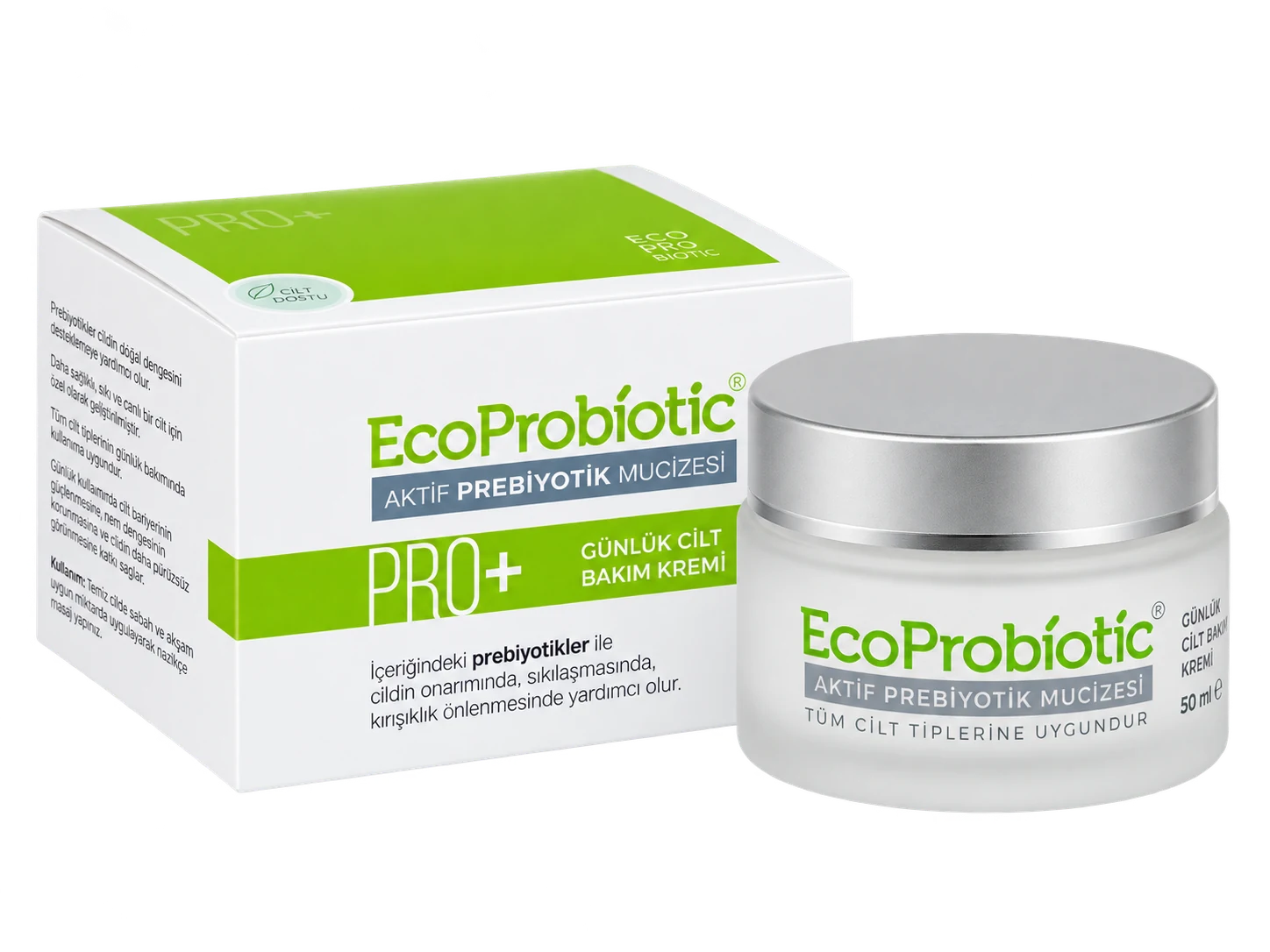 MoisturisingPrebiotic Skin CreamMoisturises the skin and helps repair the barrier. Available in three formulas: for all, dry and oily skin.View ↗
Sources
- 1.Cleansing without compromise: the impact of cleansers on the skin barrier and the technology of mild cleansing
Ananthapadmanabhan KP, Moore DJ, Subramanyan K, Misra M, Meyer F · Dermatologic Therapy · 2004 · doi:10.1111/j.1396-0296.2004.04S1002.x
Showed that surfactants can interact with skin proteins and lipids to cause dryness and irritation, and highlighted the importance of mild cleansing technologies.
- 2.Effects of soap and detergents on skin surface pH, stratum corneum hydration and fat content in infants
Gfatter R, Hackl P, Braun F · Dermatology · 1997 · doi:10.1159/000245955
Reported that washing with soap raised skin surface pH more noticeably than synthetic detergents.
- 3.Skin pH: from basic science to basic skin care
Ali SM, Yosipovitch G · Acta Dermato-Venereologica · 2013 · doi:10.2340/00015555-1531
Emphasized that when skin pH rises, barrier repair may slow and microbial balance may be affected.
- 4.Cleansers and their role in various dermatological disorders
Mukhopadhyay P · Indian Journal of Dermatology · 2011 · doi:10.4103/0019-5154.77542
Noted that soaps are usually alkaline and that gentle cleansers with a pH close to the skin's may be preferable for sensitive skin.
- 5.Microbiome in healthy skin, update for dermatologists
Dréno B, Araviiskaia E, Berardesca E, Gontijo G, Sanchez Viera M, Xiang LF ve ark. · Journal of the European Academy of Dermatology and Venereology · 2016 · doi:10.1111/jdv.13965
Emphasized the importance of gentle cleansers and moisturizing in protecting the skin microbiome.