The skincare advice we hear from our mothers, our friends and social media sometimes contradicts itself, and sometimes turns into habits we follow for years without questioning. Some of this advice is true, some is half true, and some, far from helping your skin, can actually harm it. Let's take a look at the seven most common myths one by one, in light of the research.
Myth 1: If you drink two liters of water a day, your skin will never get dry
Drinking water is of course important for overall health. But its effect on skin hydration isn't as direct as people think. A systematic review published in 2018 evaluated studies on the effect of fluid intake on skin hydration in healthy adults and concluded that the evidence on this topic is limited and inconsistent. A 2015 study, meanwhile, observed a slight increase in skin hydration when water intake was increased, especially in people whose daily water intake was low.
So staying hydrated matters, but dry skin is often about your barrier's ability to hold on to moisture. If your barrier is weak, no matter how much water you drink, the moisture evaporates out through your skin. The real solution for dry skin is gentle cleansing and a barrier-supporting moisturizer.
Drinking water matters, but what keeps moisture in your skin is your barrier. If your barrier is weak, the water you drink just evaporates from the surface.
Myth 2: Oily skin doesn't need moisturizer
Oil and hydration aren't the same thing. Oil is the sebum produced by your oil glands; hydration is the water held in the skin's top layer. Oily skin can lose water too, and its barrier can weaken. Especially if you use drying anti-acne products, your skin can be both oily and dehydrated. In this case, a lightweight, non-comedogenic moisturizer helps keep your skin balanced by supporting the barrier.
Myth 3: You should wash until your skin is squeaky clean
That squeaky feeling is often a sign that your skin has also lost its protective lipids. A review examining the effects of cleansers on the skin barrier shows that harsh surfactants can interact with the skin's proteins and lipids and lead to dryness and irritation. A study showing that the skin's natural pH is on average below 5 emphasizes that this slightly acidic environment favors the resident flora. Alkaline, harsh cleansers can disrupt this balance. After healthy cleansing, your skin should feel comfortable and supple.
Myth 4: You don't need sunscreen on cloudy or winter days
UVA rays stay relatively constant throughout the year, pass through clouds and can partly come in through glass. In a randomized trial published in the Annals of Internal Medicine, participants who used sunscreen every day for four and a half years showed no detectable increase in skin aging, compared with those who used it at their own discretion. The key words here are every day: the benefit of sun protection comes from consistency, regardless of season or weather.
The benefit of sunscreen doesn't come from sunny days; it comes from using it every day.
Myth 5: If a product burns, it means it's working
Stinging and burning are often a sign not that a product is effective, but that your skin is irritated or your barrier has weakened. Some strong active ingredients can cause a slight tingling, especially in the first weeks of use. But ongoing burning, redness and flaking mean your skin wants you to slow down. In that case, you need to stop using the product or use it less often.
Myth 6: Germs are always the enemy, so you need to purify your skin completely
Your skin is home to a balanced community of millions of microorganisms, and most of this community is harmless or even beneficial. Microbiome research explains that resident microbes contribute to the skin's defenses and to the balance of the immune system. Constantly trying to purify your skin with antibacterial products can disrupt this balance. The goal isn't germ-free skin, it's a balanced microbiome. Skincare products with prebiotics offer an approach that may help support this balance.
Myth 7: Expensive products are always better
A product's price depends on many factors, such as its packaging, brand, marketing budget and production scale. Its effectiveness, however, depends on its ingredients, whether they're present at the right concentration in a stable formula, and whether it suits your skin. A review on the role of moisturizers in dry skin explains that a good moisturizer is basically made up of humectant, emollient and occlusive ingredients. These ingredients can be found at every price point. Reading the ingredient list tells you more than looking at the price tag.
Bonus: Pores open and close
Pores don't have doors; hot water doesn't open them and cold water doesn't close them. Temperature can temporarily affect the tissue around pores, making them look a little more or a little less visible. How your pores look has more to do with genetics, oil production, age and sun damage. Regular cleansing, sun protection and the right active ingredients may help pores look less noticeable.
What helps with pores?
Pore size is largely determined by genetics, oil production and age, so it's not possible to «close» them permanently. But you can help them look less noticeable: regular, gentle cleansing, adding salicylic acid, which reduces oil buildup inside pores, to your weekly schedule in moderation, a lightweight non-comedogenic moisturizer and sunscreen every day. Over time, sun damage can make pores look more visible by weakening the skin's support.
How do you protect yourself from myths?
- Be cautious about advice that promises definite, fast results.
- Ask where a piece of advice comes from: Is it based on research or personal experience?
- What works for someone else's skin may not work for yours; observe your own skin.
- Try new products one at a time and give them at least a few weeks before judging them.
- See a dermatologist about problems that are persistent or getting worse.
Why do myths spread so easily?
There are a few reasons skincare myths are so widespread. First, personal experiences are powerful: if a method worked for someone, it's easy to think it will work for everyone. Second, skin changes slowly; it can take weeks to see the effect or harm of a product, and many other factors come into play during that time. Third, simple, definitive statements stick in your mind far more than careful, conditional scientific ones.
That's why, when you come across a piece of advice, the healthiest approach is to look not at how confidently it's said, but at what it's based on.
Keep in mind
Skincare isn't about memorizing rules; it's about listening to your skin. Myths are often born from a grain of truth but get exaggerated over time. Science usually says something simpler: gentle cleansing, good moisturizing, sun protection every day and respect for your skin's microbial balance. Everything else is fine-tuning built on top of this foundation.
Helpful as you build this routine
EcoProbiotic care range ↗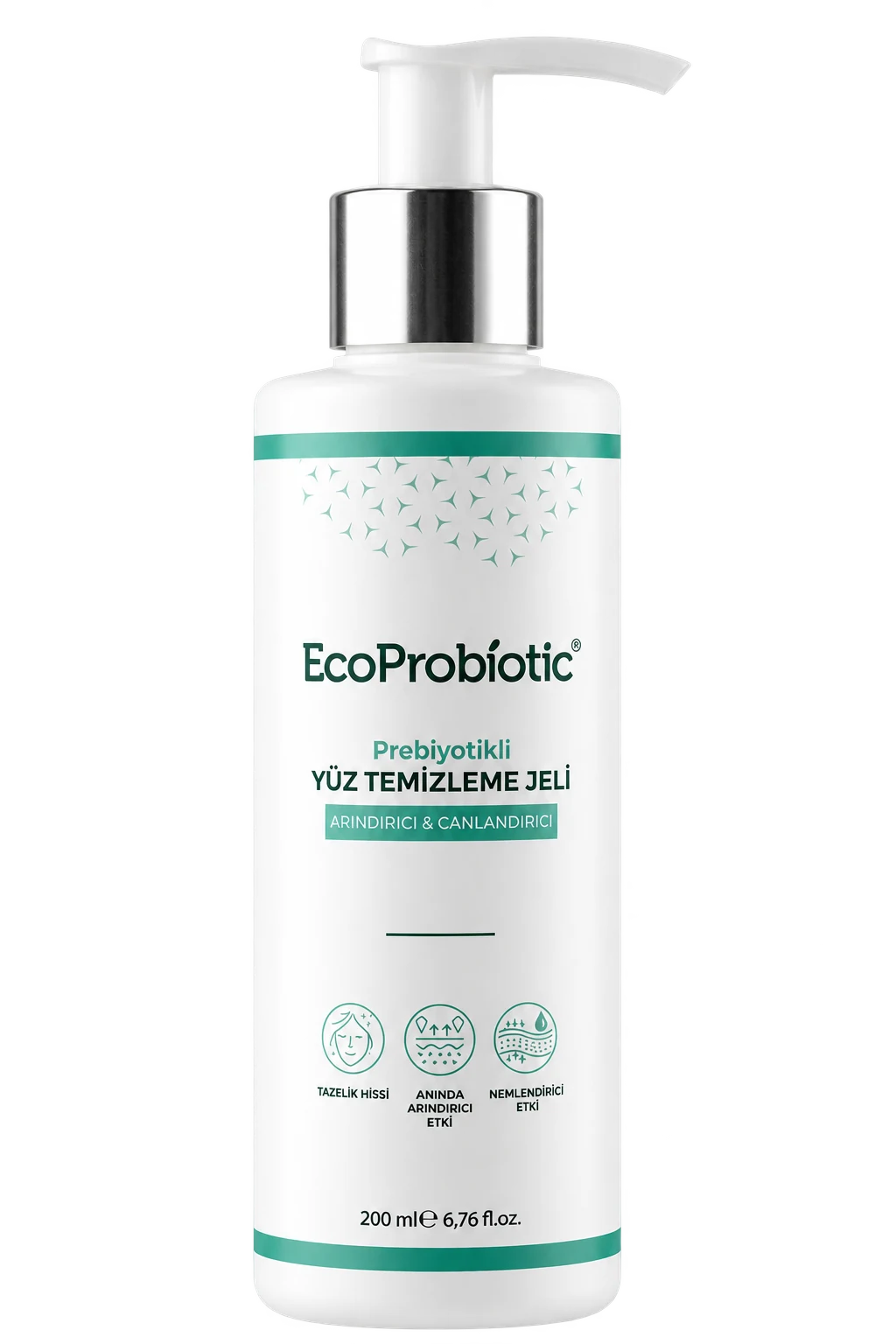 CleansingPrebiotic Face Cleansing GelRemoves make-up and the day’s grime with a gentle foam, supporting the skin barrier as it cleanses. Morning and evening.View ↗
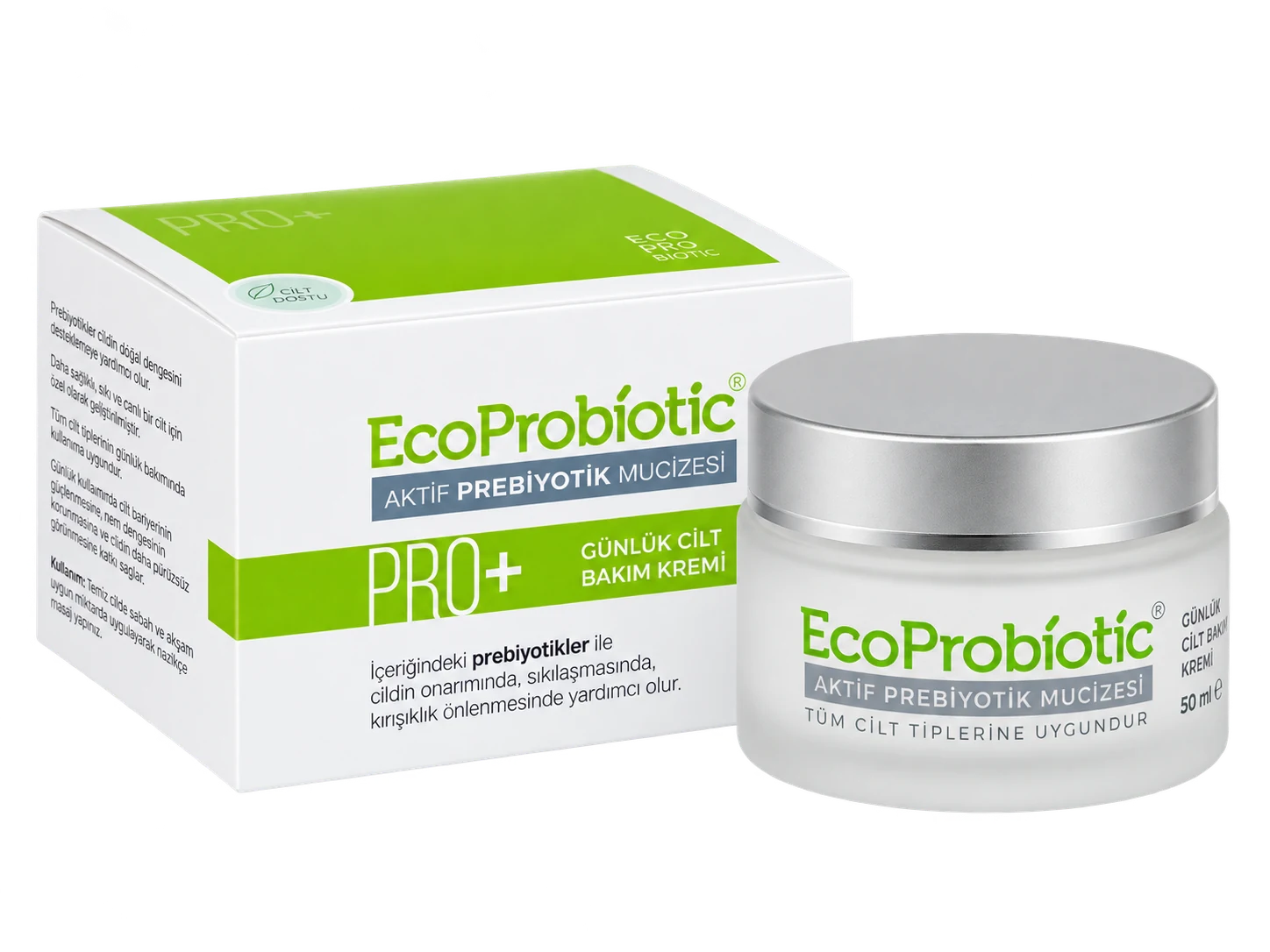 MoisturisingPrebiotic Skin CreamMoisturises the skin and helps repair the barrier. Available in three formulas: for all, dry and oily skin.View ↗
Sources
- 1.Does dietary fluid intake affect skin hydration in healthy humans? A systematic literature review
Akdeniz M, Tomova-Simitchieva T, Dobos G, Blume-Peytavi U, Kottner J · Skin Research and Technology · 2018 · doi:10.1111/srt.12454
Reported that the evidence on the effect of fluid intake on skin hydration is limited and inconsistent.
- 2.Dietary water affects human skin hydration and biomechanics
Palma L, Marques LT, Bujan J, Rodrigues LM · Clinical, Cosmetic and Investigational Dermatology · 2015 · doi:10.2147/CCID.S86822
Observed a slight increase in skin hydration when water intake was increased, especially in people with low daily water intake.
- 3.Cleansing without compromise: the impact of cleansers on the skin barrier and the technology of mild cleansing
Ananthapadmanabhan KP, Moore DJ, Subramanyan K, Misra M, Meyer F · Dermatologic Therapy · 2004 · doi:10.1111/j.1396-0296.2004.04S1002.x
Showed that harsh surfactants can interact with skin proteins and lipids and lead to dryness and irritation.
- 4.Natural skin surface pH is on average below 5, which is beneficial for its resident flora
Lambers H, Piessens S, Bloem A, Pronk H, Finkel P · International Journal of Cosmetic Science · 2006 · doi:10.1111/j.1467-2494.2006.00344.x
Showed that the skin's natural pH is on average below 5 and that this favors the resident flora.
- 5.Sunscreen and prevention of skin aging: a randomized trial
Hughes MCB, Williams GM, Baker P, Green AC · Annals of Internal Medicine · 2013 · doi:10.7326/0003-4819-158-11-201306040-00002
No detectable increase in skin aging was observed in those who used sunscreen every day.
- 6.Role of topical emollients and moisturizers in the treatment of dry skin barrier disorders
Lodén M · American Journal of Clinical Dermatology · 2003 · doi:10.2165/00128071-200304110-00005
Reviewed how a good moisturizer is basically made up of humectant, emollient and occlusive ingredients.