Have you ever known your period was coming from your skin before checking the calendar? A pimple or two on your chin, a forehead that's suddenly shiny, or skin that's more sensitive than usual... Many women know this cycle from their own experience. And science backs that experience up: skin is an organ that responds to hormonal changes, and this response can show up in different ways throughout the cycle.
A review published in Clinical and Experimental Dermatology explains that changes in hormone levels during the menstrual cycle can affect the skin's oil production, immune response and barrier function, and that acne, eczema and some other skin problems can flare depending on the cycle. In this article, we divide the cycle into four phases and talk about what may be happening in your skin in each phase and how you can adapt your care.
Your skin can read your hormonal calendar before you do. Getting to know that calendar is the first step to tailoring your care to it.
First, let's get to know the hormones
In an average 28-day cycle, two main hormones take the stage. Estrogen rises in the first half of the cycle and peaks around ovulation. A review examining the relationship between estrogen and skin shows that this hormone is linked to skin hydration, thickness and collagen structure. Progesterone rises after ovulation. In the premenstrual phase, as estrogen and progesterone fall, the relative influence of androgens increases; this is associated with oil glands becoming more active.
Every woman's cycle and skin are different. The phases below offer a general framework; observing your own skin over a few cycles is the best way to spot your personal pattern.
Phase 1: Period (roughly days 1–5)
At the start of the cycle, both estrogen and progesterone are low. During this time, skin may feel drier, duller and more sensitive. A comprehensive study reviewing physiological changes related to the menstrual cycle summarizes that in some phases of the cycle the skin may be more sensitive to irritants, and that perceptions such as the pain threshold can also change.
- Simplify cleansing; use a slightly acidic cleanser with a soft lather.
- Switch to a richer moisturizer that supports the barrier with ceramides and humectants.
- You might consider postponing strong acid peels and treatments like waxing during these days.
- Prebiotic skincare may help support microbial balance in skin that has become more sensitive.
Phase 2: Follicular phase (roughly days 6–13)
Estrogen starts to rise and skin usually enters its most balanced, radiant phase of the cycle. Hydration improves and skin tone may look more even. This is the phase when your skin can best adapt to new active ingredients.
- If you want to start a new serum or active ingredient, this phase can be good timing.
- You can plan a gentle weekly acid treatment or a vitamin C serum.
- You can lighten up your moisturizer and switch to a gel or lotion texture.
Phase 3: Ovulation (around day 14)
Estrogen is at its peak; shortly after, progesterone starts to rise too. Many women notice their skin looks vibrant and bright during this time. That said, a slight increase in oil production may begin right after ovulation.
- Don't skip sunscreen; glowing skin is affected by the sun too.
- If your T-zone starts getting shiny, keep cleansing just as gently and don't try to strip oil aggressively.
- Choose lightweight, non-comedogenic formulas.
Phase 4: Luteal phase and premenstrual days (roughly days 15–28)
Progesterone rises, and toward the end of the cycle both estrogen and progesterone drop. During this time, oil glands may become more active, pores may look more visible and breakouts may become more likely. In a study of adult women, a significant portion of participants with acne reported a noticeable flare in the premenstrual phase.
- Keep your routine balancing; use the active ingredients your dermatologist recommends regularly on breakout-prone areas.
- Don't squeeze pimples; it increases the risk of marks and damages the barrier.
- Avoid heavy, pore-clogging products; but still don't skip a lightweight moisturizer.
- Take extra care with sleep and stress management during this time; both can affect your skin's hormonal response.
Cycle-friendly skincare doesn't mean buying different products every week; it means lightening or boosting the same basic routine depending on what your skin needs.
The microbiome and hormones
The direct effects of hormones on the skin microbiome are not yet fully understood. However, an increase in oil production can change the environment for oil-loving microorganisms, and on days when the barrier is more sensitive, the community's balance can be shaken more easily. That's why what should stay constant throughout the cycle is a gentle basic routine that protects your skin's acidic surface and barrier.
Try keeping a cycle journal
Jotting down a few words about your skin every day for three cycles lets you see your personal pattern. Note when it gets shiny, when it gets dry and on which days breakouts appear. This information helps you plan your care and also give your dermatologist clear information when needed.
How do you get rid of pre-period breakouts?
Pre-period breakouts usually appear on the chin and jawline a few days to a week before your period and fade once it starts. During this time, a good start is not squeezing pimples, limiting cleansing to morning and night, using a lightweight non-comedogenic moisturizer and applying acne-targeting active ingredients only to problem areas. Breakouts that recur every month, are painful and leave marks, or that come with irregular periods, call for an evaluation by a dermatologist and, if needed, a gynecologist.
When should you see a specialist?
If premenstrual flares are very severe, deep and painful pimples leave marks, your cycle is irregular, or your breakouts come with symptoms such as unwanted hair growth and hair loss, an evaluation by a dermatologist and, if needed, a gynecologist is important. These symptoms may be a sign of a medical condition related to hormonal balance.
Hormonal stages beyond the monthly cycle
The effect of hormones on skin isn't limited to the monthly cycle. Pregnancy, the postpartum period, breastfeeding and the transition to menopause can also change your skin's oil balance, hydration and sensitivity. During pregnancy, some women may notice darkened patches or more breakouts, while during the transition to menopause, dryness and thinning can become more noticeable as estrogen declines.
Hormonal birth control can also affect cyclical skin changes; some women see fewer breakouts, while others may react differently. In each of these stages, the basic rule stays the same: a gentle basic routine and expert advice when needed. Especially during pregnancy and breastfeeding, always decide on the active ingredients you'll use together with your doctor.
Keep in mind
Your skin isn't the same every month, and that's completely natural. Once you get to know your cycle, bad skin days stop being surprises and become a predictable phase. A gentle routine as the foundation, with small adjustments for each phase on top: the secret to skincare that's in sync with your cycle is that simple.
Helpful as you build this routine
EcoProbiotic care range ↗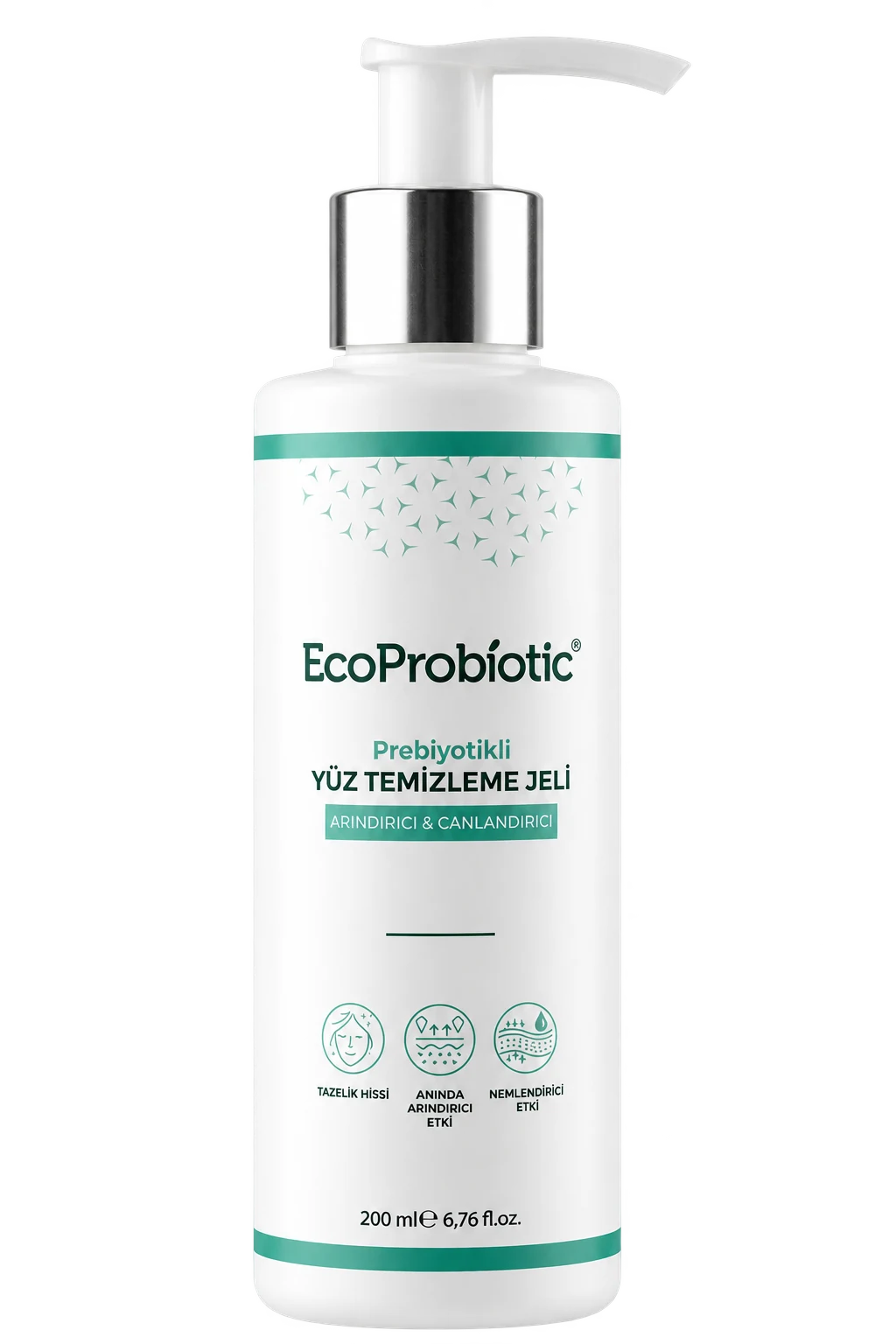 CleansingPrebiotic Face Cleansing GelRemoves make-up and the day’s grime with a gentle foam, supporting the skin barrier as it cleanses. Morning and evening.View ↗
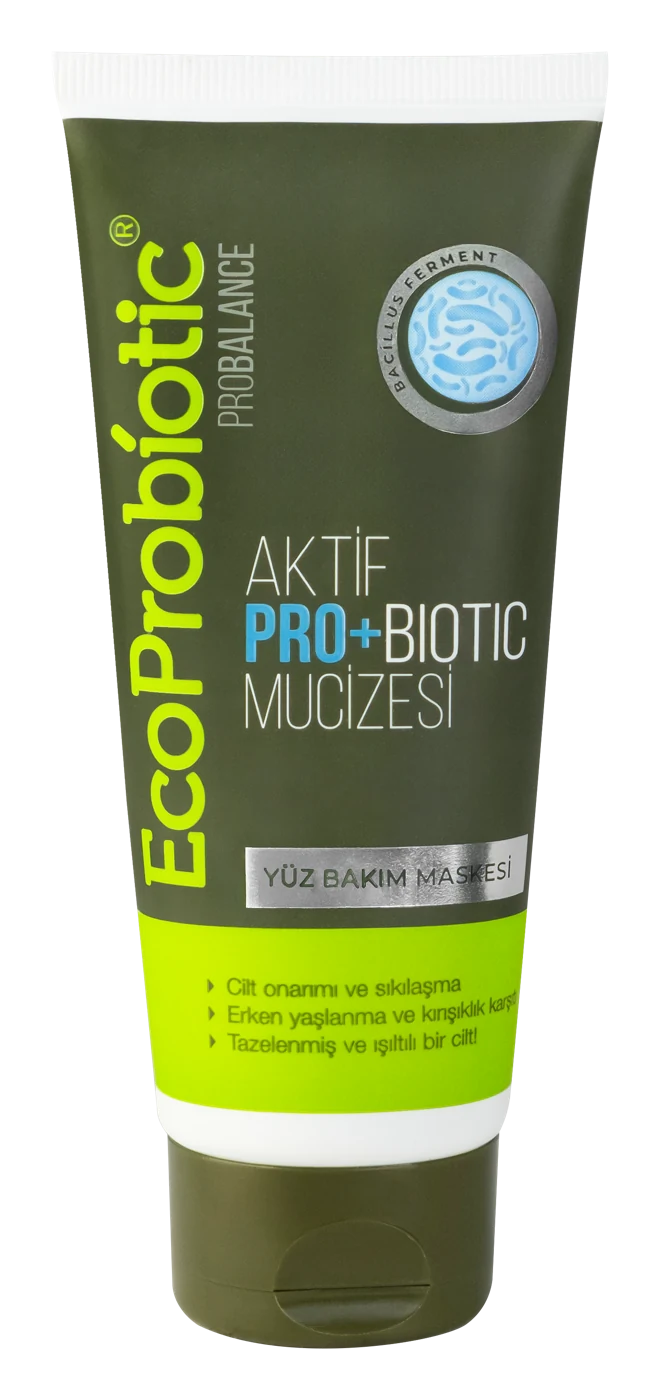 Weekly carePrebiotic Volcanic Clay MaskAbsorbs excess oil and dirt from the surface, purifying while supporting the barrier. Once or twice a week, for ten minutes.View ↗
Sources
- 1.The menstrual cycle and the skin
Raghunath RS, Venables ZC, Millington GWM · Clinical and Experimental Dermatology · 2015 · doi:10.1111/ced.12588
Reviewed how hormonal changes during the menstrual cycle can affect oil production, immune response and barrier function, and how some skin conditions can flare with the cycle.
- 2.Physiological changes associated with the menstrual cycle: a review
Farage MA, Neill S, MacLean AB · Obstetrical & Gynecological Survey · 2009 · doi:10.1097/OGX.0b013e3181932a37
Summarized many physiological changes over the cycle, including skin sensitivity.
- 3.Estrogen and skin. An overview
Shah MG, Maibach HI · American Journal of Clinical Dermatology · 2001 · doi:10.2165/00128071-200102030-00003
Reviewed the link between estrogen and skin hydration, thickness and collagen structure.
- 4.Perimenstrual flare of adult acne
Geller L, Rosen J, Frankel A, Goldenberg G · The Journal of Clinical and Aesthetic Dermatology · 2014
Showed that a significant portion of adult women with acne report flares in the premenstrual phase.