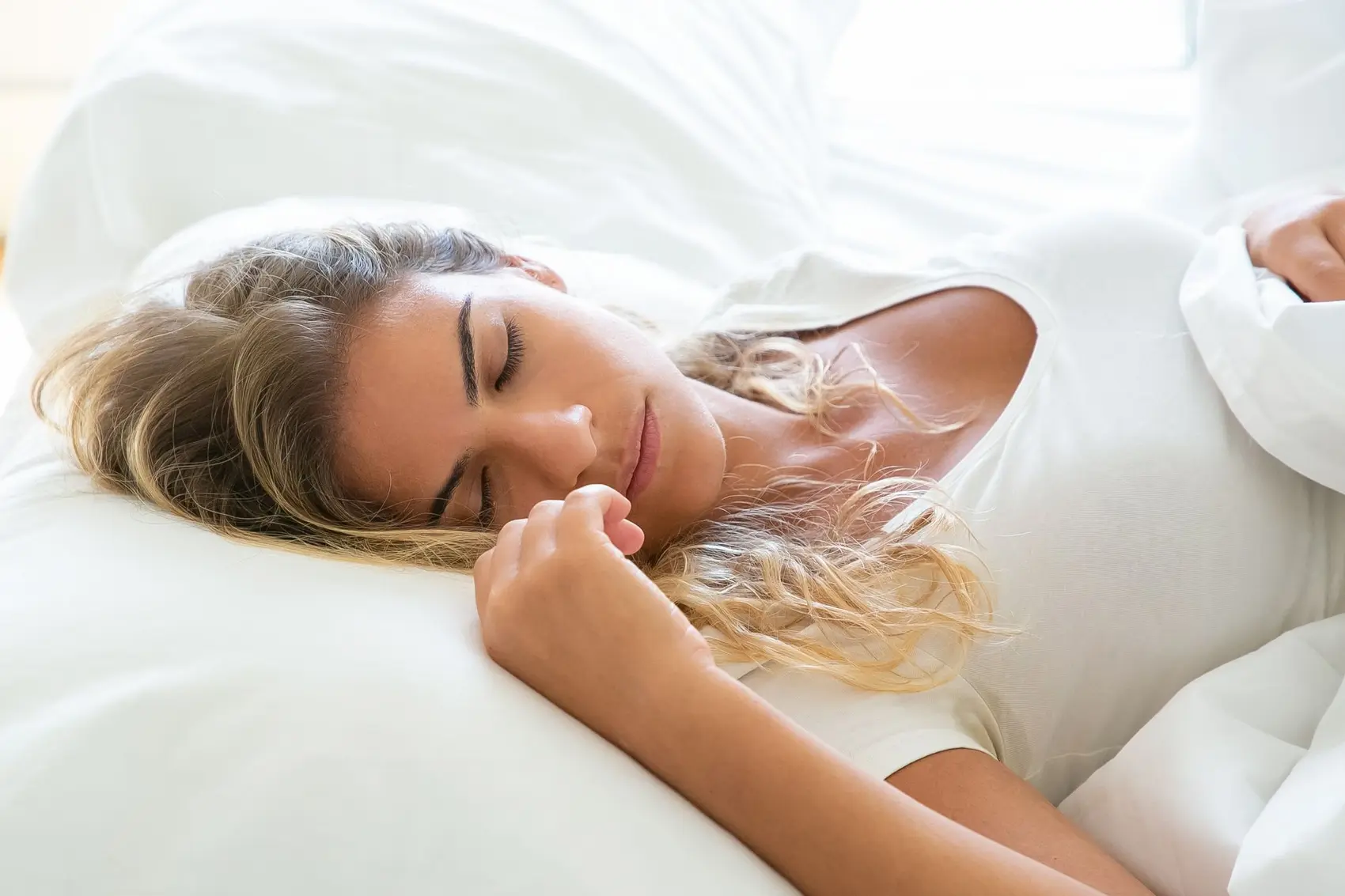
Think back to what you saw in the mirror the morning after a sleepless night: a paler complexion, dark circles under your eyes, maybe some puffiness. That look isn't just a reflection of how tired you feel. Research shows that skin really does switch to a different working pattern at night, and that sleep matters for this pattern.
Your skin has a clock too
Almost every cell in our body has a biological clock that runs on a roughly 24-hour cycle. This clock is called the circadian rhythm. The master clock in the brain is set by light and darkness, but skin cells have their own clocks as well. A literature review on circadian rhythm and the skin explains that processes such as cell division, DNA repair, blood flow and barrier function show regular changes over the course of the day.
In general, during the day the skin switches into defense mode: it focuses on protecting itself from sun, pollution and outside factors. At night, repair and renewal processes take center stage. That's why your night routine and morning routine aren't built on the same logic.
During the day your skin stands guard; at night it switches to the repair shift. Each needs a different kind of support.
Water loss increases at night
A study published in the Journal of Investigative Dermatology examined how the skin's blood flow and barrier function change over the course of the day. The study observed that water loss through the skin was higher in the evening and at night and lower in the morning. This finding explains why nighttime moisturizing matters so much: when skin tends to lose more water at night, it makes sense to give it support to hold on to that moisture.
At the same time, skin permeability also increases a little at night. This means the products you apply at night may be more effective, but the risk of irritation may also rise somewhat. That's why you need to get the dose right when using strong active ingredients at night.
How does poor sleep show up on your skin?
A study published in 2015 compared the skin of women with good and poor sleep quality. Poor sleepers showed more visible signs of intrinsic aging, their skin recovered more slowly after damage and they were less satisfied with their own appearance.
Other people notice the effect of sleep loss too. In an experimental study published in the BMJ, raters were shown photos of the same people taken after normal sleep and after sleep deprivation. The sleep-deprived photos were rated as more tired, less healthy and less attractive. So the idea of beauty sleep has a scientific basis.
A hypothesis paper, meanwhile, suggests that sleep deprivation may affect skin integrity by increasing stress hormones and inflammatory signals. So lack of sleep isn't only about under-eye bags; it's about your skin's overall defensive capacity too.
The traces of a sleepless night are noticed not only by you but by others too. Beauty sleep is more than just a saying.
Build your night routine around your skin's clock
- Cleanse: Remove the day's dirt, sunscreen and makeup with a gentle cleanser. Nighttime cleansing is a step you shouldn't skip.
- Repair: If you use renewing active ingredients like retinol or acids, night is the best time; but not every night, depending on your skin's tolerance.
- Nourish: Since water loss increases at night, you may prefer a slightly richer moisturizer with ceramides and humectants.
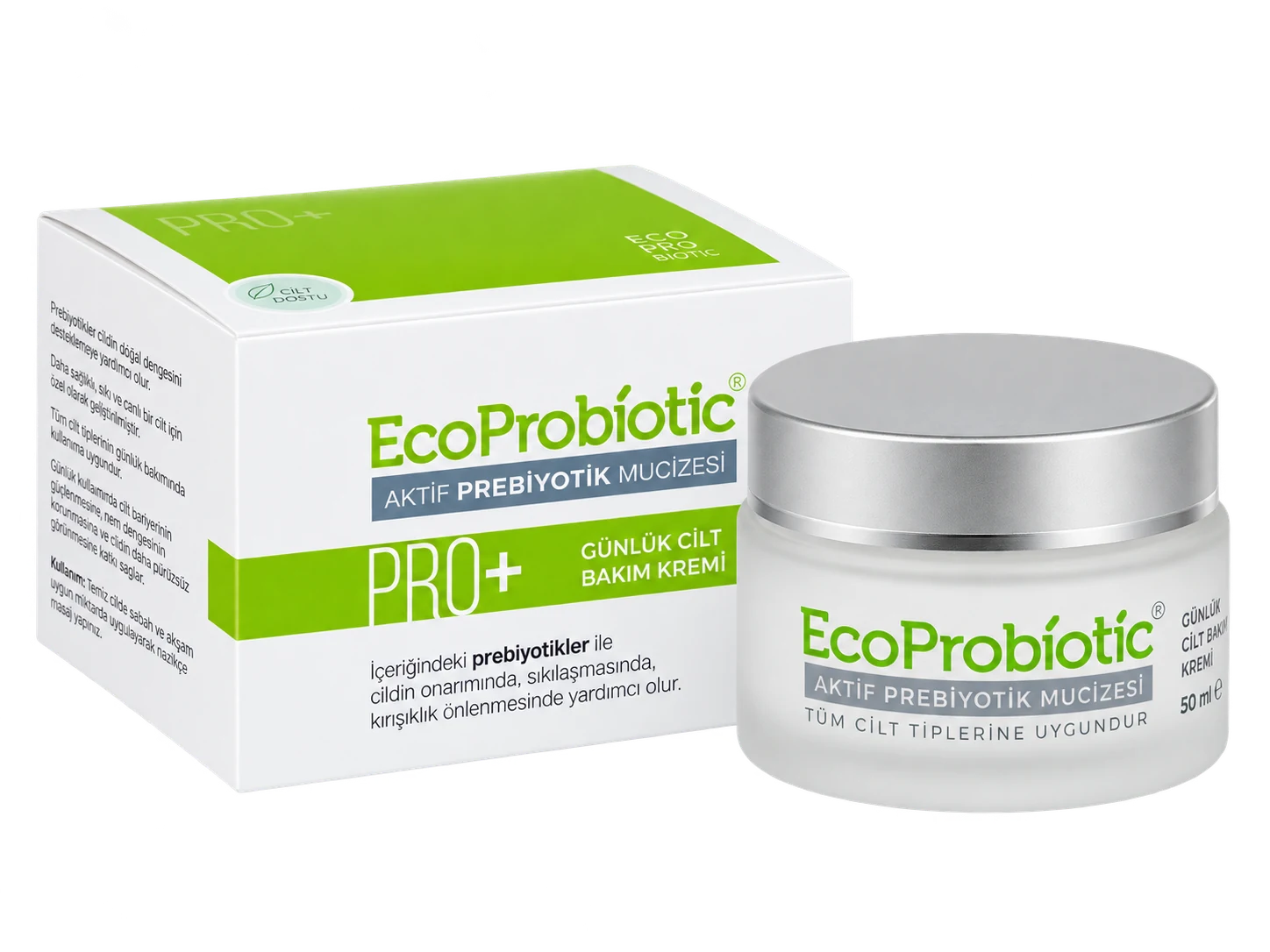
- Balance: A night treatment with prebiotics may help support your skin's microbial balance.
- Care for the eye area: Use a light, non-irritating cream for the thin skin around your eyes.
Ways to improve your sleep quality
- Try to go to bed and wake up at the same time every day; your skin's clock likes routine too.
- Cut back on screen light an hour before bed.
- Keep your bedroom cool, dark and quiet.
- If central heating makes the air in your room very dry in winter, you might consider a humidifier.
- Avoid heavy meals and caffeine in the evening.
- Change your pillowcase often; it matters that the surface your face touches all night is clean.
- Sleeping on your back instead of your stomach can reduce pressure and friction on your face.
How much sleep is enough?
The general recommendation for adults is seven to nine hours of sleep a night. But quality matters as much as quantity. If you wake up often, snore or feel excessively sleepy during the day, it's a good idea to talk to a doctor. When sleep disorders are treated, your skin can be expected to benefit as well.
Dark circles, puffiness and your morning look
The most visible traces of a sleepless night usually show up around the eyes. The skin under the eyes is some of the thinnest on the body, so the blood vessels and fluid buildup beneath it are easier to see. Not getting enough sleep, staring at screens for long periods and salty foods in the evening can increase morning puffiness.
Propping your head up on a slightly higher pillow, splashing your face with cool water in the morning and applying a gentle moisturizer around your eyes may help puffiness go down faster. However, persistent dark circles can also be related to genetics, age and pigmentation; in that case, sleep alone isn't the deciding factor.
Does catching up on sleep over the weekend work?
Making up for sleep lost during the week by sleeping in on the weekend seems tempting. But irregular sleep times can shift your body's internal clock. The best thing for your skin and your body is to go to bed and wake up at similar times every day. A short afternoon nap, on the other hand, can ease fatigue as long as it doesn't disrupt your nighttime sleep.
Turning your night routine into a sleep ritual can also help. Washing your face, applying your moisturizer and dimming the lights in the same order every evening can become a signal telling your brain that the day is over and it's time to rest. That way, skincare becomes a small habit that serves both your skin and your sleep.
What time should you do your night skincare routine?
There's no set time; what matters is being able to do your routine before bed without rushing. Cleansing and moisturizing your face half an hour to an hour before bed gives products time to settle into your skin before they rub off on your pillow. The order can stay simple: cleanser, then a serum or active ingredient if you use one, then moisturizer. You don't need sunscreen at night; that step belongs to the morning.
Keep in mind
Your skin's night shift works quietly while you sleep. The most effective way to support this shift isn't an expensive night cream, but regular, quality sleep. Add gentle cleansing and a good moisturizer on top, and the skin you see in the mirror in the morning will reward that effort.
Helpful as you build this routine
EcoProbiotic care range ↗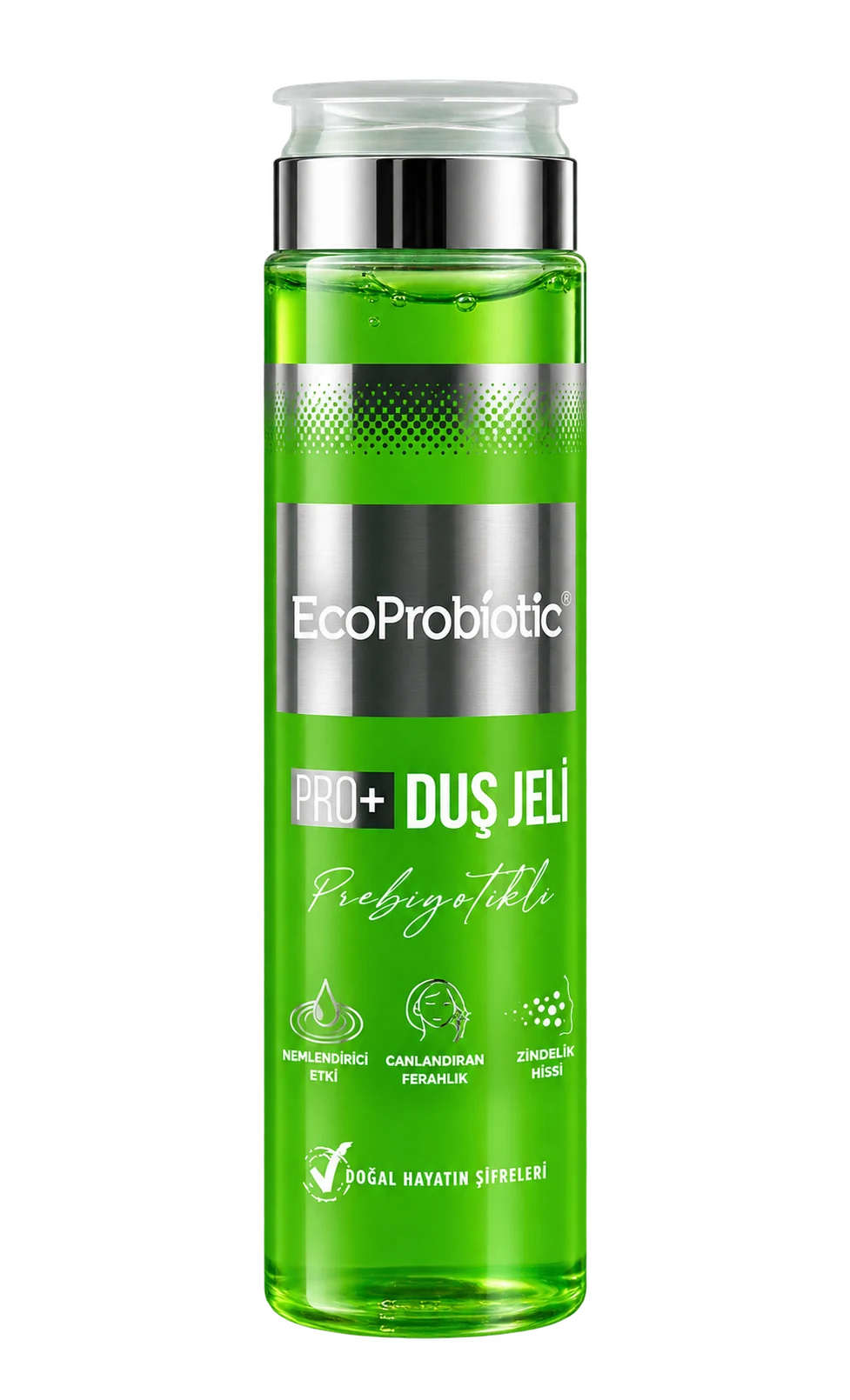
Sources
- 1.Circadian rhythm and the skin: a review of the literature
Lyons AB, Moy L, Moy R, Tung R · The Journal of Clinical and Aesthetic Dermatology · 2019
Reviewed how skin processes such as cell division, DNA repair and barrier function show regular changes over the course of the day.
- 2.Circadian and ultradian (12 h) variations of skin blood flow and barrier function in non-irritated and irritated skin-effect of topical corticosteroids
Yosipovitch G, Sackett-Lundeen L, Goon A, Yiong Huak C, Leok Goh C, Haus E · Journal of Investigative Dermatology · 2004 · doi:10.1111/j.0022-202X.2004.22313.x
Observed that water loss through the skin was higher in the evening and at night.
- 3.Does poor sleep quality affect skin ageing?
Oyetakin-White P, Suggs A, Koo B, Matsui MS, Yarosh D, Cooper KD ve ark. · Clinical and Experimental Dermatology · 2015 · doi:10.1111/ced.12455
Women who slept poorly showed more visible signs of intrinsic aging and slower barrier recovery.
- 4.Beauty sleep: experimental study on the perceived health and attractiveness of sleep deprived people
Axelsson J, Sundelin T, Ingre M, Van Someren EJW, Olsson A, Lekander M · BMJ · 2010 · doi:10.1136/bmj.c6614
Showed that photos of sleep-deprived people were rated as more tired, less healthy and less attractive.
- 5.Can poor sleep affect skin integrity?
Kahan V, Andersen ML, Tomimori J, Tufik S · Medical Hypotheses · 2010 · doi:10.1016/j.mehy.2010.07.018
Proposed that sleep deprivation may affect skin integrity through stress hormones and inflammatory signals.