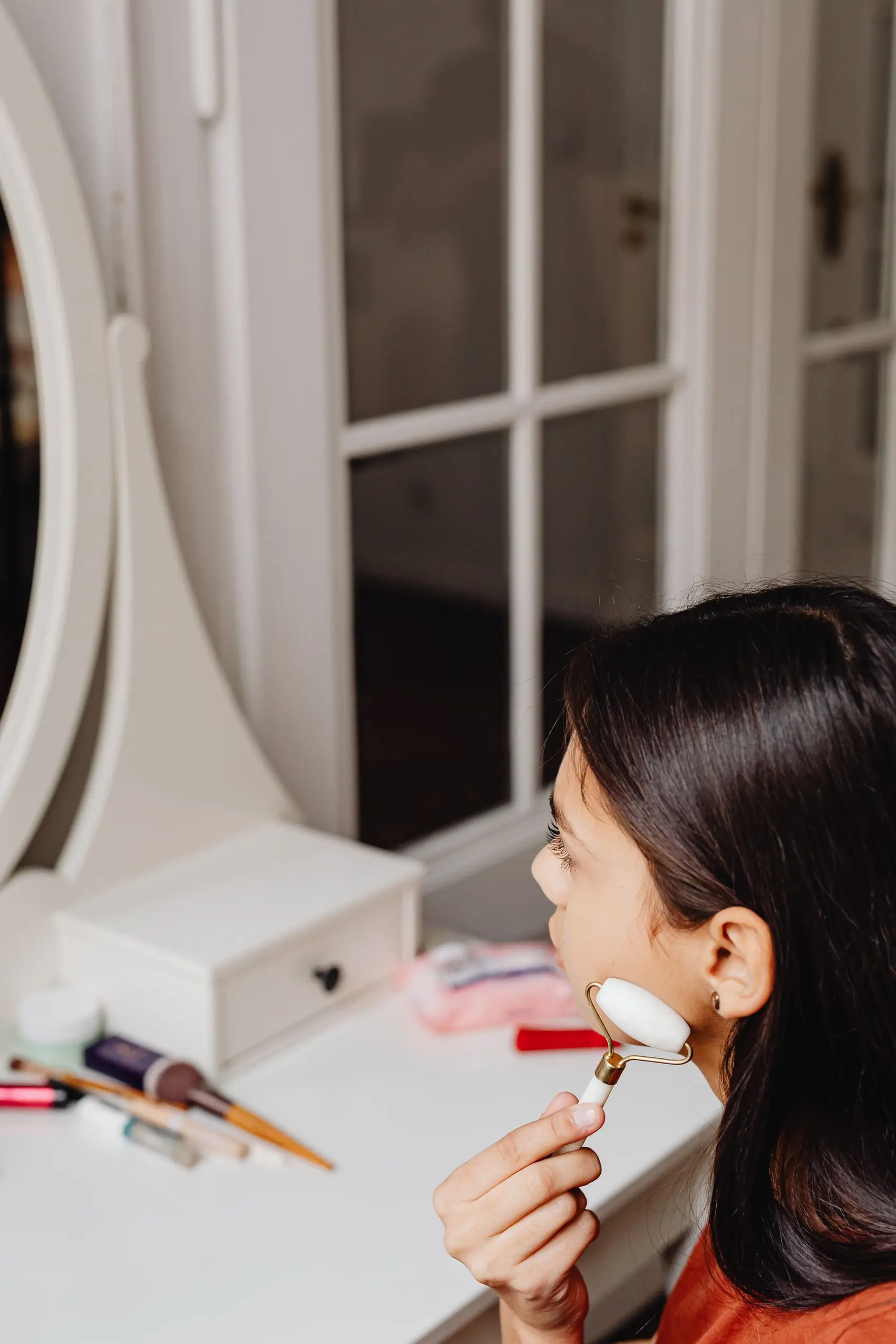
When was the last time you thought about how clean your tools are while applying foundation, blush or mascara in the morning? Makeup brushes, sponges and the products themselves come into contact with your face every day. During this contact, they carry and store your skin's oil, dead cells and microorganisms, and then bring them right back to your skin.
What does research show?
A study published in the Journal of Applied Microbiology in 2020 examined used makeup products collected from users from a microbiological perspective. Bacteria were found in the vast majority of samples, which included lipstick, eyeliner, mascara, lip gloss and makeup sponges. Makeup sponges stood out as the group with the highest level of contamination, and most users reported never cleaning their sponges. Many products were also found to be past their expiration dates.
This finding alone shouldn't cause panic; our skin already lives alongside microorganisms. However, the researchers warn that contaminated products can cause problems, especially around the eyes, on open wounds or in people with weakened immune systems.
Your makeup brush touches your skin every day, carries traces of it and brings them back to your face the next morning. Cleaning it isn't something to neglect.
Why do preservatives matter?
From the moment they're opened, cosmetic products come into contact with air, fingers and applicators. A review published in the journal Contact Dermatitis explains that cosmetics need preservatives to prevent microbial contamination, that cases of infection linked to contaminated products have been reported, and that this is why both the right preservation system and the right usage matter. The same review also notes that some preservatives can cause allergic reactions in sensitive people; so a good formula should strike a balance between these two needs.
How do makeup tools affect your skin?
- Microbial load: Dirty brushes can carry foreign or overgrown microorganisms to the skin's resident community.
- Clogging: Old product, oil and dead cells built up in brushes can be carried back into your pores.
- Irritation: Stiff, dirty bristles can mechanically irritate your skin and damage the barrier.
- Eye area risk: Shared or old mascaras and eyeliners can increase the risk of irritation and infection around the eyes.
How do you clean makeup brushes and sponges?
- Wash brushes used for liquid and cream products once a week.
- Washing powder brushes every two weeks is usually enough.
- Wash makeup sponges after every use and let them dry completely; a damp sponge is an ideal environment for microorganisms.
- Use lukewarm water and a gentle shampoo or face cleanser to wash them; work up a lather in your palm and clean between the bristles.
- Dry brushes bristles down or lying flat; water getting into the handle loosens the bristles.
- Generally replace sponges every three months, or sooner if they're worn.
Product shelf life
The open jar symbol on product packaging and the number next to it show how many months a product can be used after opening. As a general guide:
- Mascara and liquid eyeliner: about 3 months
- Liquid foundation and concealer: about 6 to 12 months
- Lipstick and lip liner: about 12 months
- Powder products: usually last longer, but don't use them if the smell, color or texture has changed.
- If you've had an eye infection, replace the eye makeup you used during that time.
You can love your makeup; protecting your skin doesn't mean giving it up, it means getting your cleaning and routine right.
Removing your makeup at night
Sleeping in makeup strains your skin's overnight repair process and can lead to buildup in your pores. Evening cleansing should be gentle, though. Harsh rubbing, alcohol-based wipes and aggressive cleansing repeated several times a day can strain the barrier and microbial balance.
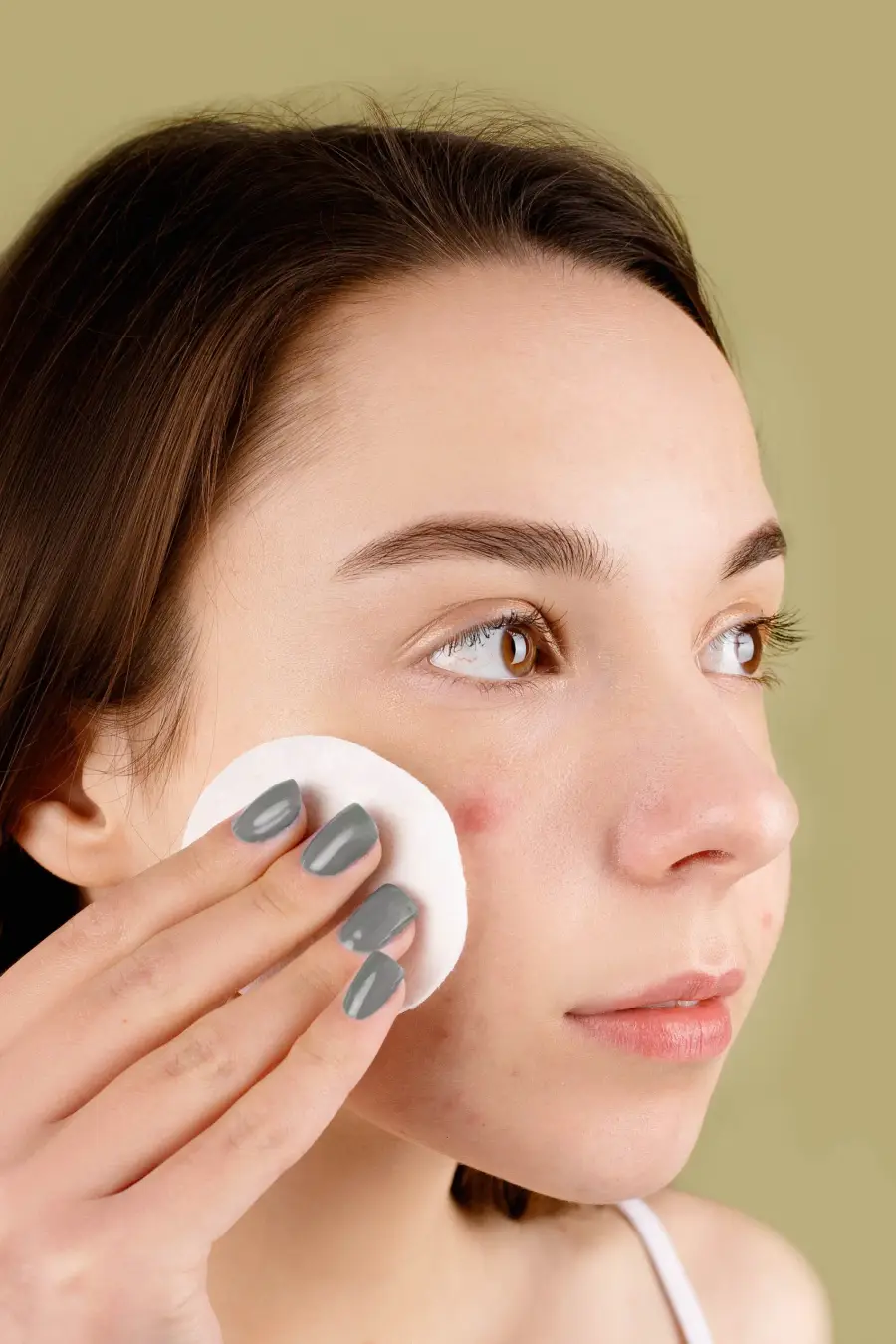
- Remove eye makeup with a separate remover by holding a cotton pad in place for a few seconds and wiping gently.
- For heavy or water-resistant makeup, you can use an oil-based cleanser first and then a gentle face cleanser.
- On light makeup days, a single gentle cleanse is usually enough.
- Makeup wipes are for emergencies; with regular use they can cause friction and leave residue behind.
- After cleansing, use a barrier-supporting moisturizer; a formula with prebiotics may help support microbial balance.
Cleansing oil or micellar water?
Both are gentle options; the difference comes down to how heavy your makeup is. For waterproof mascara, heavy foundation and sunscreen, a cleansing oil or balm dissolves makeup more easily; washing afterward with a gentle face cleanser removes the residue. For light makeup, micellar water is a handy first step, but it's a good idea to rinse your face or wash it with a mild cleanser afterward so no residue is left on the surface. Whichever you choose, cleanse without rubbing, letting the cotton pad sit, and finish by moisturizing.
Small but important habits
- Don't share makeup products and brushes with others.
- Don't apply testers in stores directly to your face and eyes.
- Store products in a cool, dry place, not in a warm, humid spot like the bathroom.
- Use a clean spatula instead of your fingers for products in jars.
- You might consider keeping the tool you use on breakout-prone areas separate from the ones you use elsewhere.
Other surfaces that touch your face
Makeup tools aren't the only thing that affects your skin's microbial balance. Every surface that touches your face during the day can be viewed the same way. Your phone screen frequently comes into contact with your cheek and jawline; wiping it regularly is a good habit. Pillowcases are in contact with your face all night and collect skin oil, moisturizer residue and hair products; changing them at least once or twice a week is recommended.
Your hands are perhaps the most important surface. Noticing how often you touch your face during the day matters especially when you're breaking out. Washing your hands before applying makeup or skincare makes as much of a difference as clean tools.
When should you replace your brushes?
Good-quality brushes that are well cared for can last for many years. But if the bristles have started to shed, they've lost their shape, they smell bad even after washing or they've started to feel rough on your skin, it's time to replace them.
When you replace your brushes, instead of throwing the old ones away right away, you can set them aside for body products or household tasks. For your face, always using clean, soft tools that have kept their shape is a small but valuable way to care for your skin. Remember, the secret to good makeup lies not only in the products but also in how clean the tools you apply them with are.
Keep in mind
Makeup is a form of self-expression and can be enjoyed. What you need to do to protect your skin isn't to give it up; it's to clean your brushes regularly, pay attention to how long your products last and end each day with gentle cleansing. These small habits are one of the simplest ways to protect your skin's microbial balance.
Helpful as you build this routine
EcoProbiotic care range ↗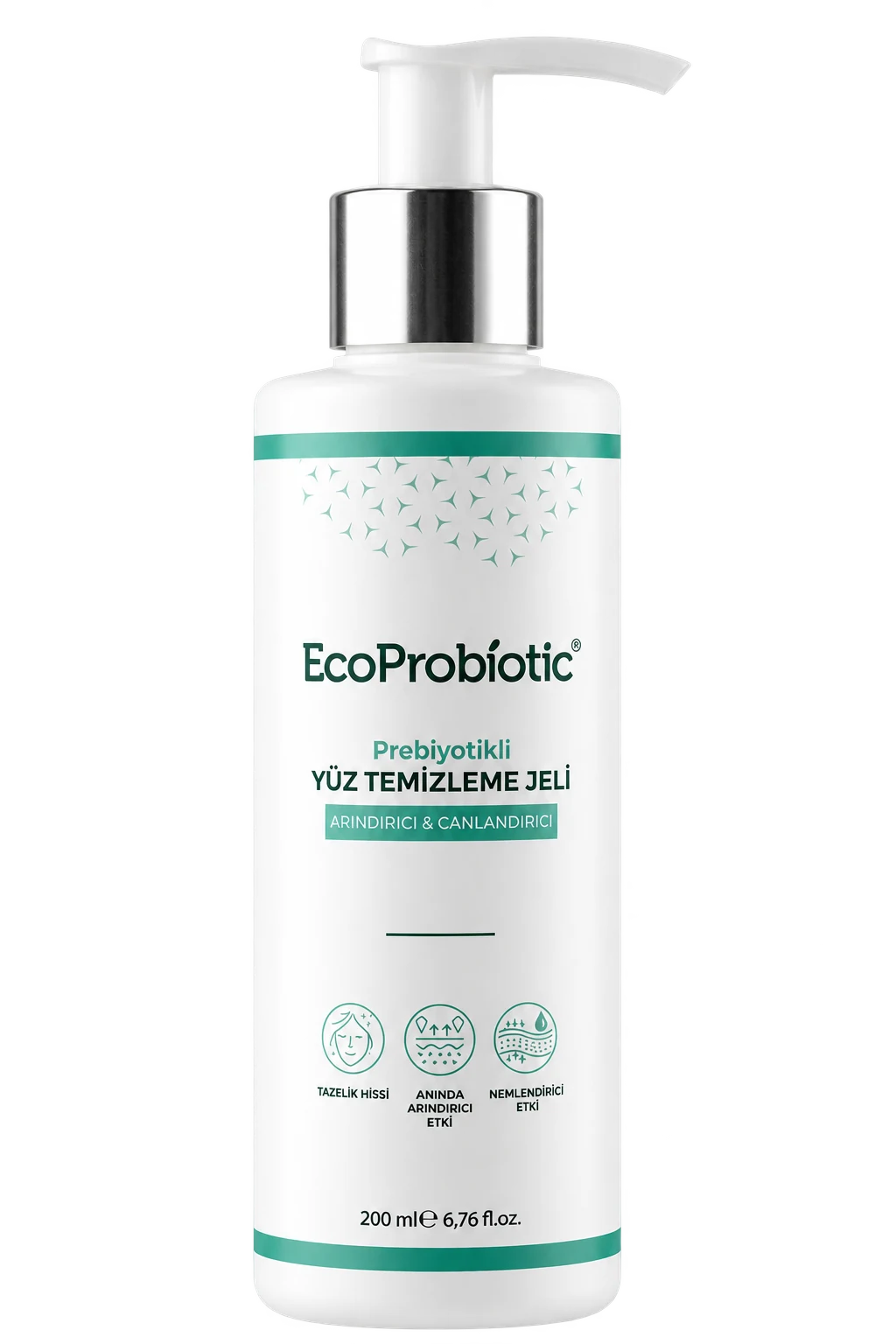 CleansingPrebiotic Face Cleansing GelRemoves make-up and the day’s grime with a gentle foam, supporting the skin barrier as it cleanses. Morning and evening.View ↗
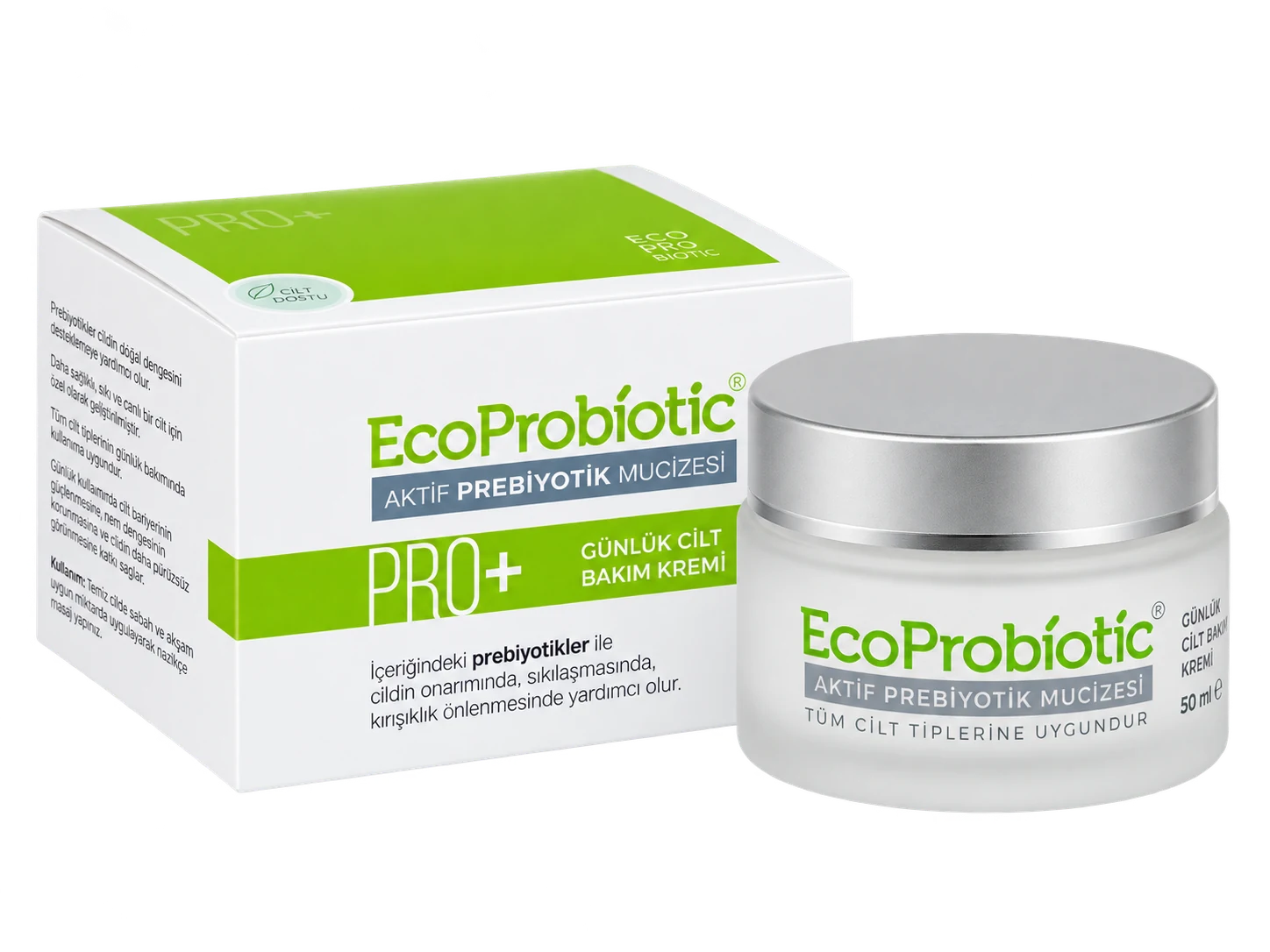 MoisturisingPrebiotic Skin CreamMoisturises the skin and helps repair the barrier. Available in three formulas: for all, dry and oily skin.View ↗
Sources
- 1.Microbiological study of used cosmetic products: highlighting possible impact on consumer health
Bashir A, Lambert P · Journal of Applied Microbiology · 2020 · doi:10.1111/jam.14479
Bacteria were found in the vast majority of used makeup products; makeup sponges were the most contaminated group.
- 2.Contamination versus preservation of cosmetics: a review on legislation, usage, infections, and contact allergy
Lundov MD, Moesby L, Zachariae C, Johansen JD · Contact Dermatitis · 2009 · doi:10.1111/j.1600-0536.2008.01501.x
Reviewed how preservatives are needed to prevent contamination in cosmetics and how infections linked to contaminated products have been reported.
- 3.Microbiome in healthy skin, update for dermatologists
Dréno B, Araviiskaia E, Berardesca E, Gontijo G, Sanchez Viera M, Xiang LF ve ark. · Journal of the European Academy of Dermatology and Venereology · 2016 · doi:10.1111/jdv.13965
Emphasized the importance of gentle cleansing and barrier-focused care in protecting the skin microbiome.
- 4.The human skin microbiome
Byrd AL, Belkaid Y, Segre JA · Nature Reviews Microbiology · 2018 · doi:10.1038/nrmicro.2017.157
Reviewed the structure of the skin's resident microbial community and the importance of its balance.