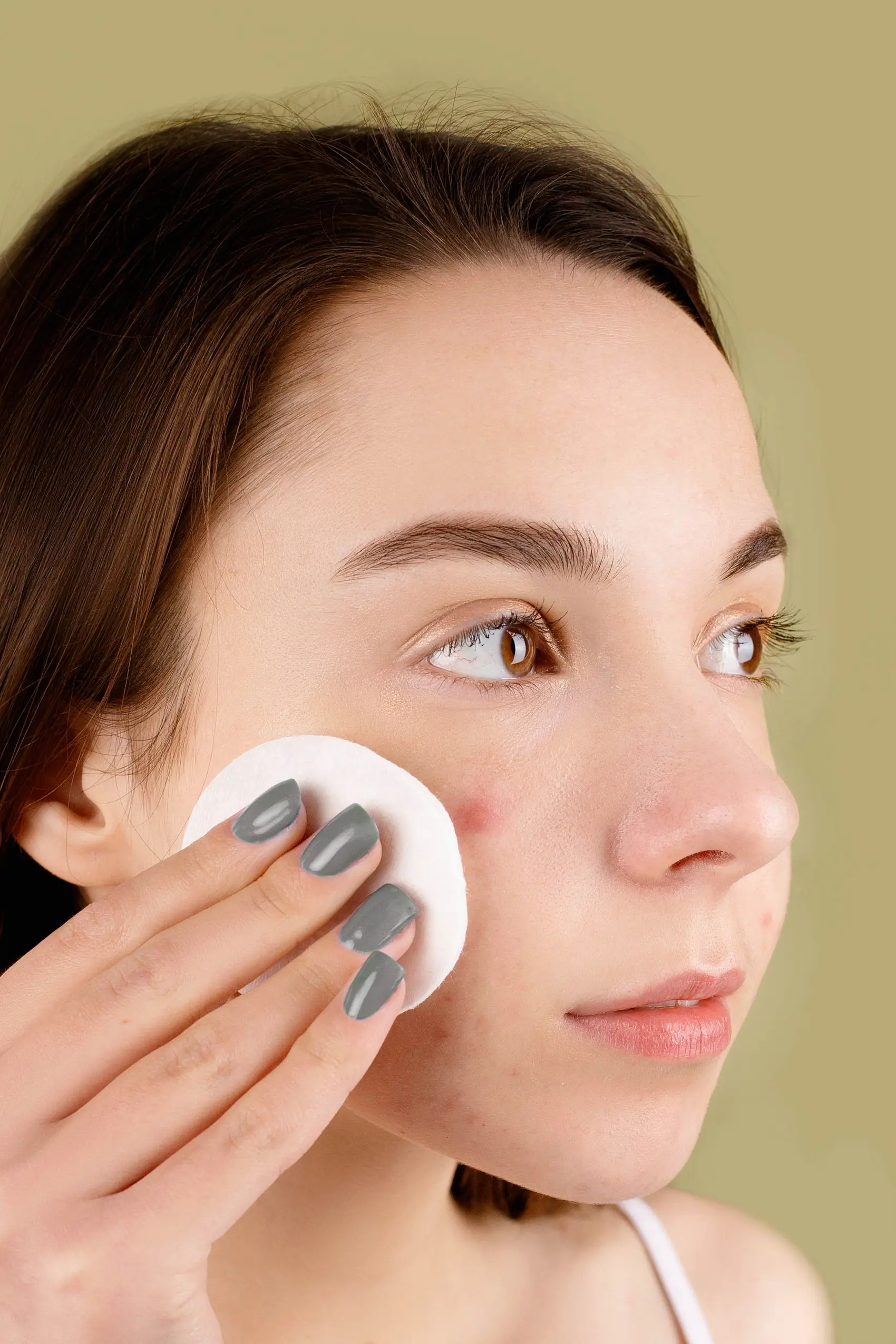
Ten-step routines on social media, each with a different active ingredient... One place says never use vitamin C and retinol together, another says acids and retinol work miracles together. It's very easy to get lost in so much conflicting information. But once you understand the basic logic, layering stops being a puzzle and becomes a plan you can build around your own skin.
First, get to know the players
Vitamin C: the morning protector
Ascorbic acid, or pure vitamin C, is a powerful antioxidant. A comprehensive review published in the journal Nutrients explains that vitamin C plays a role in the skin's collagen production and can provide antioxidant support against oxidative damage caused by the sun. Another review on vitamin C in dermatology emphasizes that pure ascorbic acid is an unstable molecule that breaks down easily with light and air, and that it generally needs low-pH formulas to penetrate the skin.
Because of its antioxidant properties, vitamin C shines in a morning routine as support that complements your sunscreen against the sun and pollution you'll encounter throughout the day.
Retinol: the nighttime renewer
Retinol is a member of the retinoid family, made up of vitamin A derivatives. Retinoids work on fine lines, uneven tone and the appearance of pores by influencing skin cell renewal and collagen structure. A review of the efficacy and safety of retinoids for skin aging notes that the most common side effects are redness, flaking and stinging, and that these can usually be reduced by starting with a low dose and increasing it slowly. Because some retinoids can break down in light, nighttime use is recommended.
Acids: the surface brighteners
Alpha hydroxy acids (AHAs, such as glycolic and lactic acid) loosen the bonds between dead cells on the skin's surface, making it easier for them to shed. Beta hydroxy acid (BHA, salicylic acid) is oil-soluble, so it can work down inside pores. A review on the classification and mechanisms of action of hydroxy acids emphasizes that AHAs can increase the skin's sensitivity to the sun, which is why sun protection is especially important while you're using them.
The point of layering isn't to use everything at once; it's to give each active ingredient its own time and space.
The golden rule: protect in the morning, renew at night
The simplest and safest approach is to spread strong active ingredients across different times of day. Your morning routine focuses on defense, and your evening routine on repair and renewal.
- Morning: Gentle cleanser, vitamin C serum, moisturizer, sunscreen.
- Evening A (retinol night): Gentle cleanser, retinol, moisturizer.
- Evening B (acid night): Gentle cleanser, acid toner or serum, moisturizer.
- Evening C (rest night): Gentle cleanser, barrier-supporting moisturizer; a treatment with prebiotics may help support your skin's balance.
For example, you could set up a plan with retinol two evenings a week, acid one evening and rest on the remaining evenings. As your skin adjusts, you can add more retinol evenings. Using acids and retinol back to back on the same evening noticeably increases the risk of irritation, especially at the beginning.
Layering order
When using more than one product in the same routine, the general rule is to go from the thinnest, most watery texture to the thickest, richest one. This order makes it easier for each product to reach your skin.
- 1. Cleanser
- 2. Toner or essence (if you use one)
- 3. Active serum (vitamin C, retinol or acid)
- 4. Hydrating serum (if you use one)
- 5. Eye cream
- 6. Moisturizer
- 7. Sunscreen in the morning; a barrier cream at night if needed
The sandwich method
If you're new to retinol or your skin is sensitive, the sandwich method can help: first a thin layer of moisturizer, then retinol, then another layer of moisturizer. This method softens retinol's effect somewhat and may help reduce the risk of irritation. Assessments on reducing side effects of retinoid use emphasize the importance of starting with a low concentration and gradually increasing how often you use it.
Repair first, then renew. Every strong active you add on top of a worn-out barrier adds a little more to the load.
Red flags: when should you stop?
- If even your moisturizer has started to sting
- If redness and flaking last longer than a few days
- If your skin looks shiny, tight and plastic-like
- If products you used without problems before now irritate your skin
When you notice any of these signs, take a one- to two-week break from all strong active ingredients. Cut your routine down to three steps: cleanser, barrier-supporting moisturizer and sunscreen. Once your skin has recovered, you can add active ingredients back one at a time and less often.
Layering from a microbiome perspective
Strong active ingredients create rapid changes on the skin's surface: pH drops or rises, cell turnover speeds up and the barrier may become temporarily sensitive. These changes can also affect the skin's resident microbial community. Rest nights are a chance for this community, not just the barrier, to recover. On these nights, it makes sense to choose simple, nourishing care that supports balance.
What shouldn't you use with retinol?
Layering retinol with AHA/BHA acids, benzoyl peroxide or exfoliants on the same evening can increase irritation, especially in the first weeks; splitting them across different evenings is safer. Hydrating and barrier-supporting ingredients such as hyaluronic acid, ceramides, glycerin and niacinamide, on the other hand, generally pair well with retinol and help balance out dryness. Saving vitamin C serum for the morning and retinol for the evening is also the simplest way to benefit from both.
During pregnancy and breastfeeding
If you're planning a pregnancy, are pregnant or are breastfeeding, always talk to your doctor before using products that contain retinoids. It's best to decide which active ingredients are suitable during this time together with your dermatologist or OB-GYN.
Supporting players: hydrating and repairing ingredients
Strong active ingredients may look like the stars of the show, but it's often the supporting players that hold the routine together. Humectants like hyaluronic acid and glycerin support the skin's water balance, while ceramides and cholesterol help rebuild the barrier's mortar layer. Niacinamide is known as a barrier-supporting ingredient that's well tolerated by many skin types.
These supporting ingredients can generally be used without problems in the same routine as strong actives and help balance out the dryness they may cause. Moisturizers with prebiotics can be considered part of this group too: after renewal nights, they offer a calm foundation that may help support your skin's microbial balance.
Keep in mind
Layering may look complicated, but the logic is simple: protect in the morning, renew at night, and rest in between. Add each new active ingredient on its own, watch how your skin responds for a few weeks and never skip sunscreen. Your skin will tell you when you need to slow down; you just have to listen.
Helpful as you build this routine
EcoProbiotic care range ↗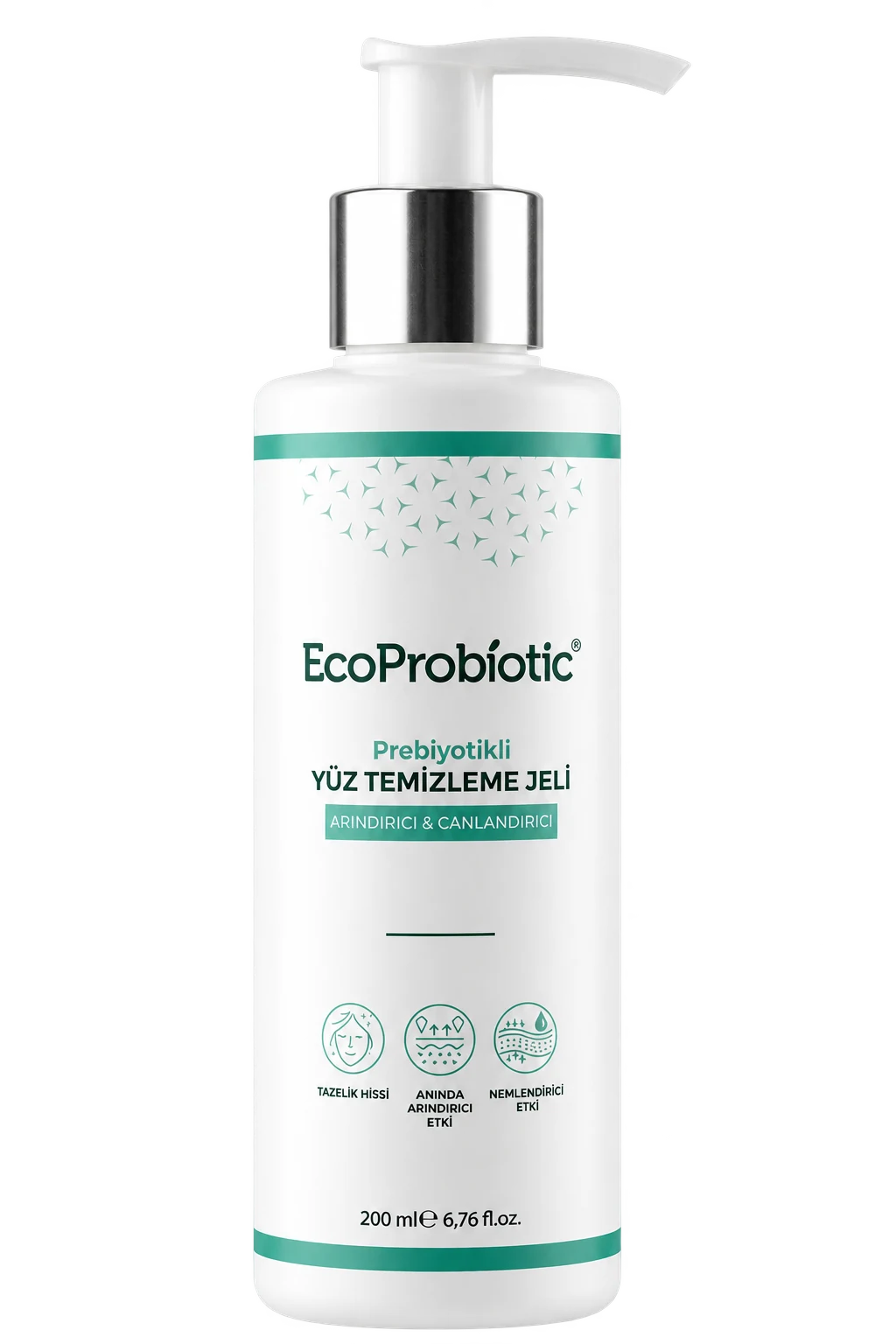 CleansingPrebiotic Face Cleansing GelRemoves make-up and the day’s grime with a gentle foam, supporting the skin barrier as it cleanses. Morning and evening.View ↗
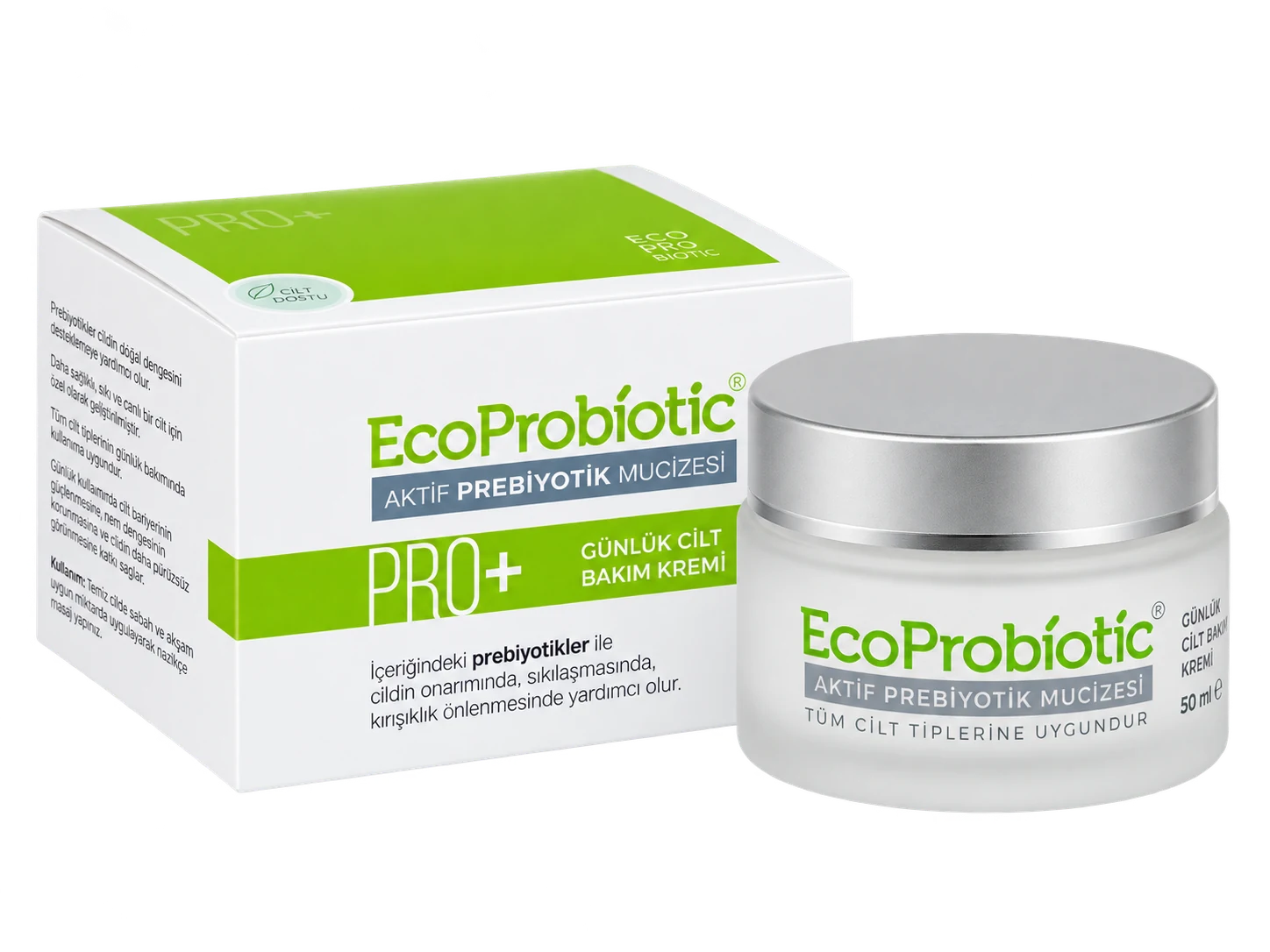 MoisturisingPrebiotic Skin CreamMoisturises the skin and helps repair the barrier. Available in three formulas: for all, dry and oily skin.View ↗
Sources
- 1.The roles of vitamin C in skin health
Pullar JM, Carr AC, Vissers MCM · Nutrients · 2017 · doi:10.3390/nu9080866
Reviewed how vitamin C plays a role in collagen production and can provide antioxidant support against sun-related oxidative damage.
- 2.Vitamin C in dermatology
Telang PS · Indian Dermatology Online Journal · 2013 · doi:10.4103/2229-5178.110593
Emphasized that pure ascorbic acid is unstable and generally needs low-pH formulas to penetrate the skin.
- 3.Retinoids in the treatment of skin aging: an overview of clinical efficacy and safety
Mukherjee S, Date A, Patravale V, Korting HC, Roeder A, Weindl G · Clinical Interventions in Aging · 2006 · doi:10.2147/ciia.2006.1.4.327
Summarized the efficacy of retinoids on signs of aging and their side effects, such as redness and flaking.
- 4.Retinoids: active molecules influencing skin structure formation in cosmetic and dermatological treatments
Zasada M, Budzisz E · Advances in Dermatology and Allergology · 2019 · doi:10.5114/ada.2019.87443
Explained the effects of retinoids on skin cell renewal and collagen structure.
- 5.Applications of hydroxy acids: classification, mechanisms, and photoactivity
Kornhauser A, Coelho SG, Hearing VJ · Clinical, Cosmetic and Investigational Dermatology · 2010 · doi:10.2147/CCID.S9042
Explained the mechanisms of action of hydroxy acids and emphasized that AHAs can increase the skin's sensitivity to the sun.